






.jpg?width=3000)




.jpg?width=3000)




.jpg?width=3000)

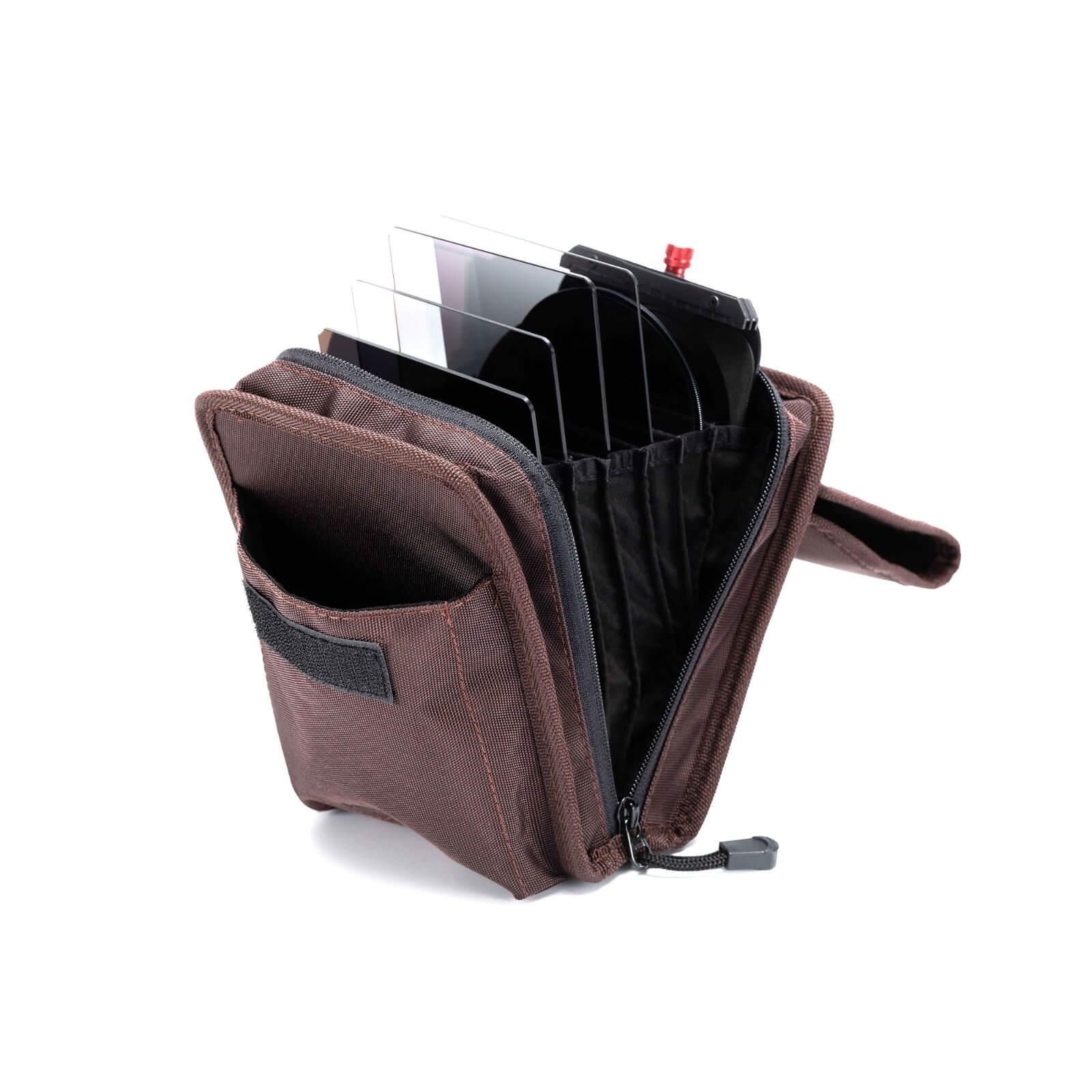
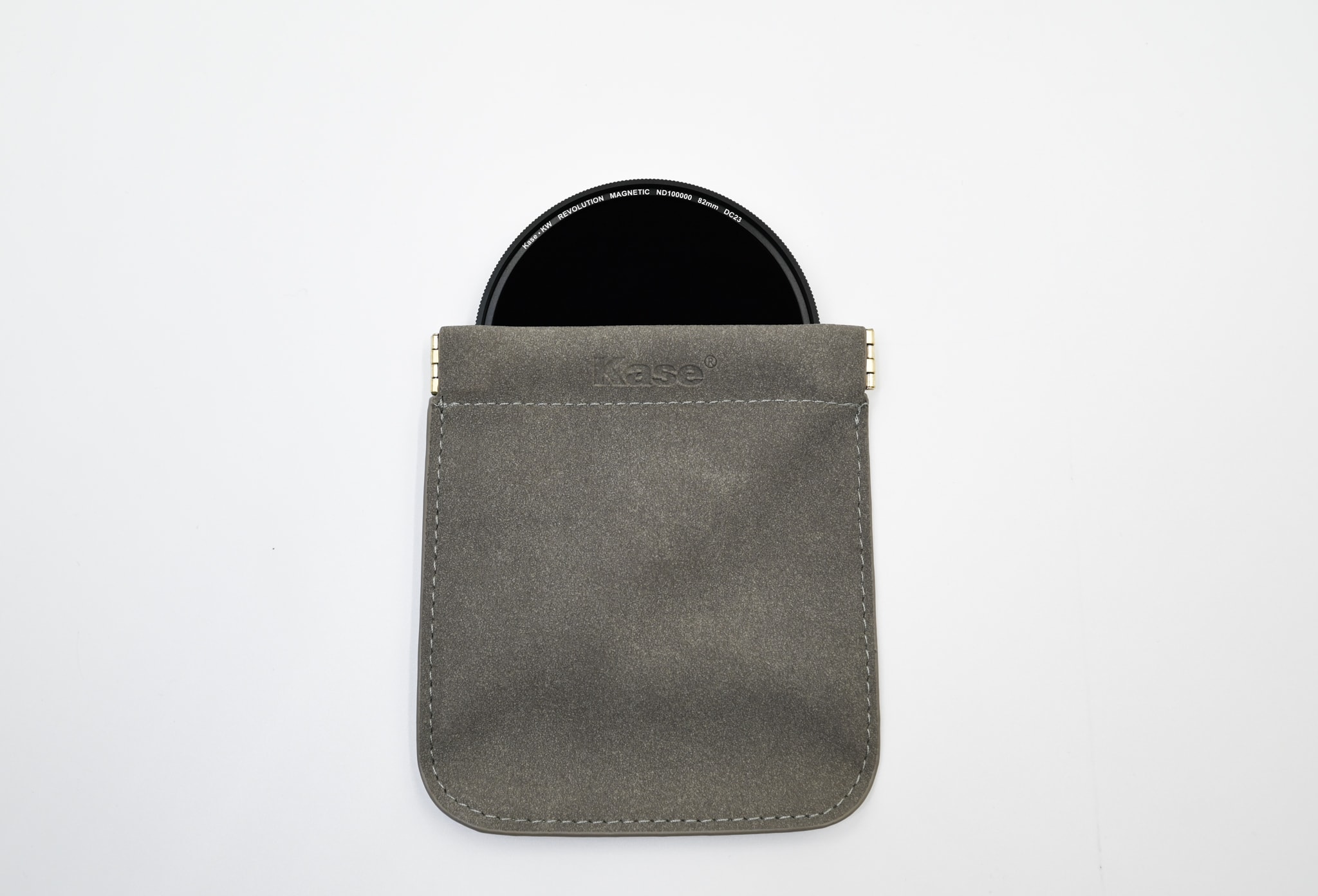
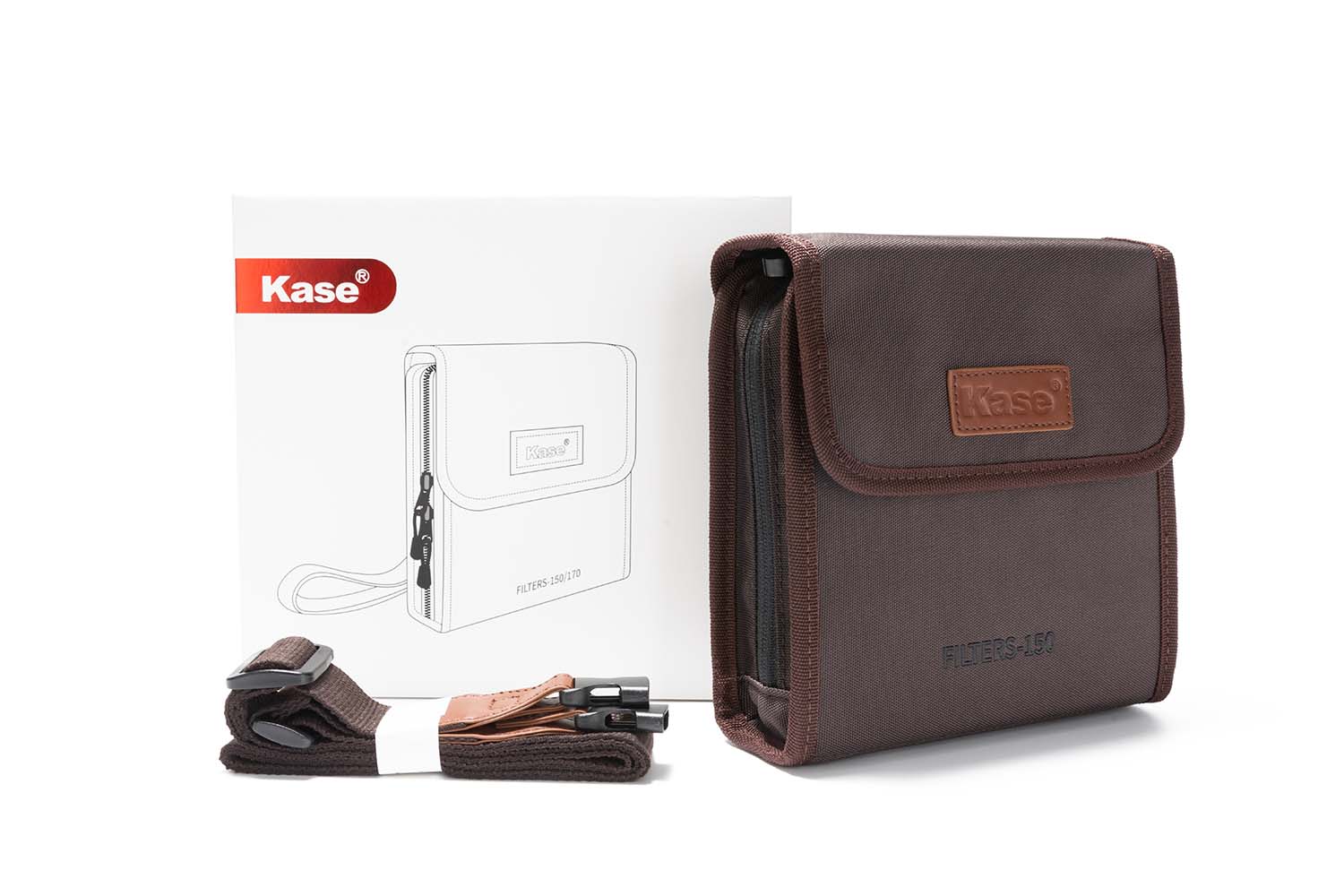


WAS IST EIN ZIRKULARER POLARISATIONSFILTER (CPL Filter)?
Some of our CPL filters for photography
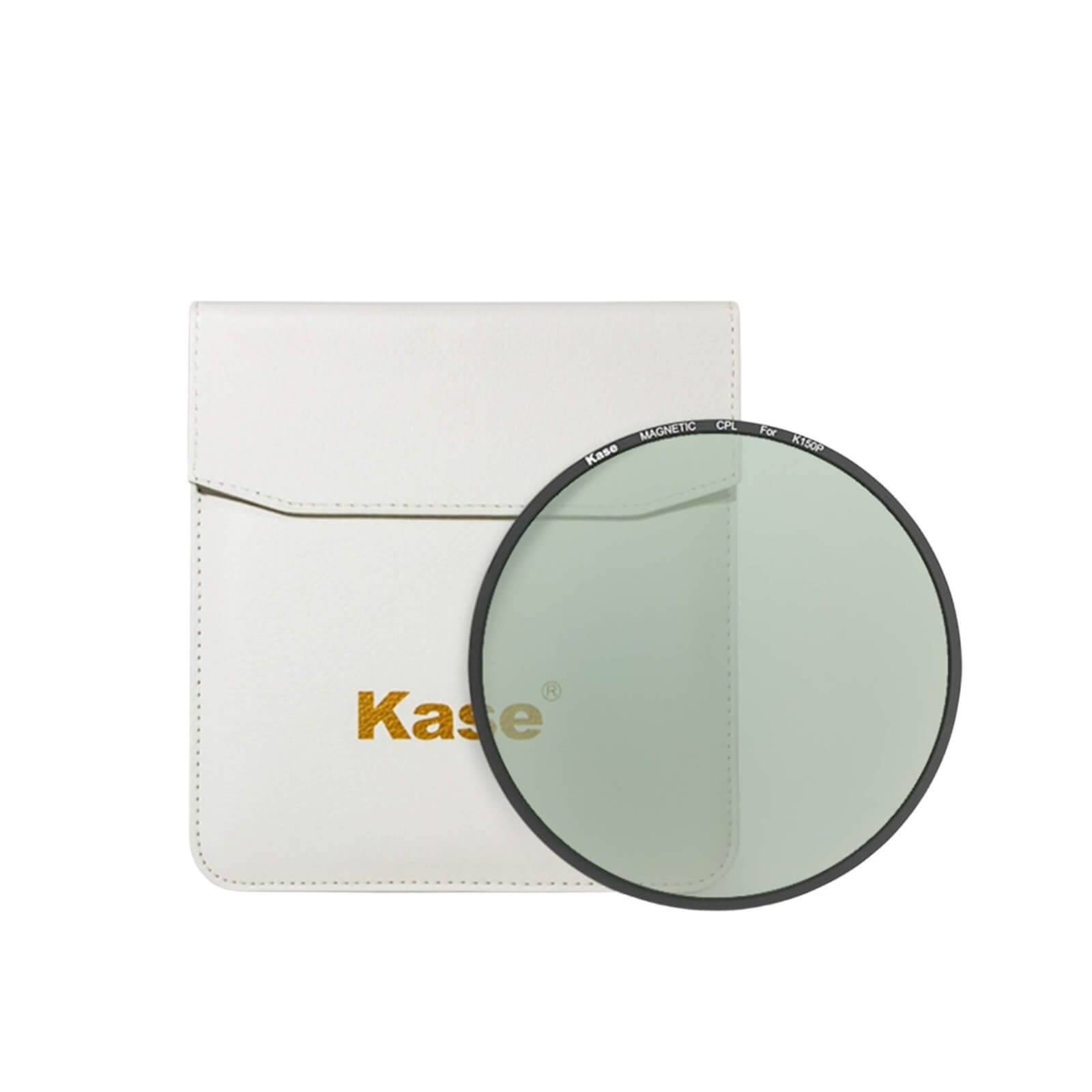
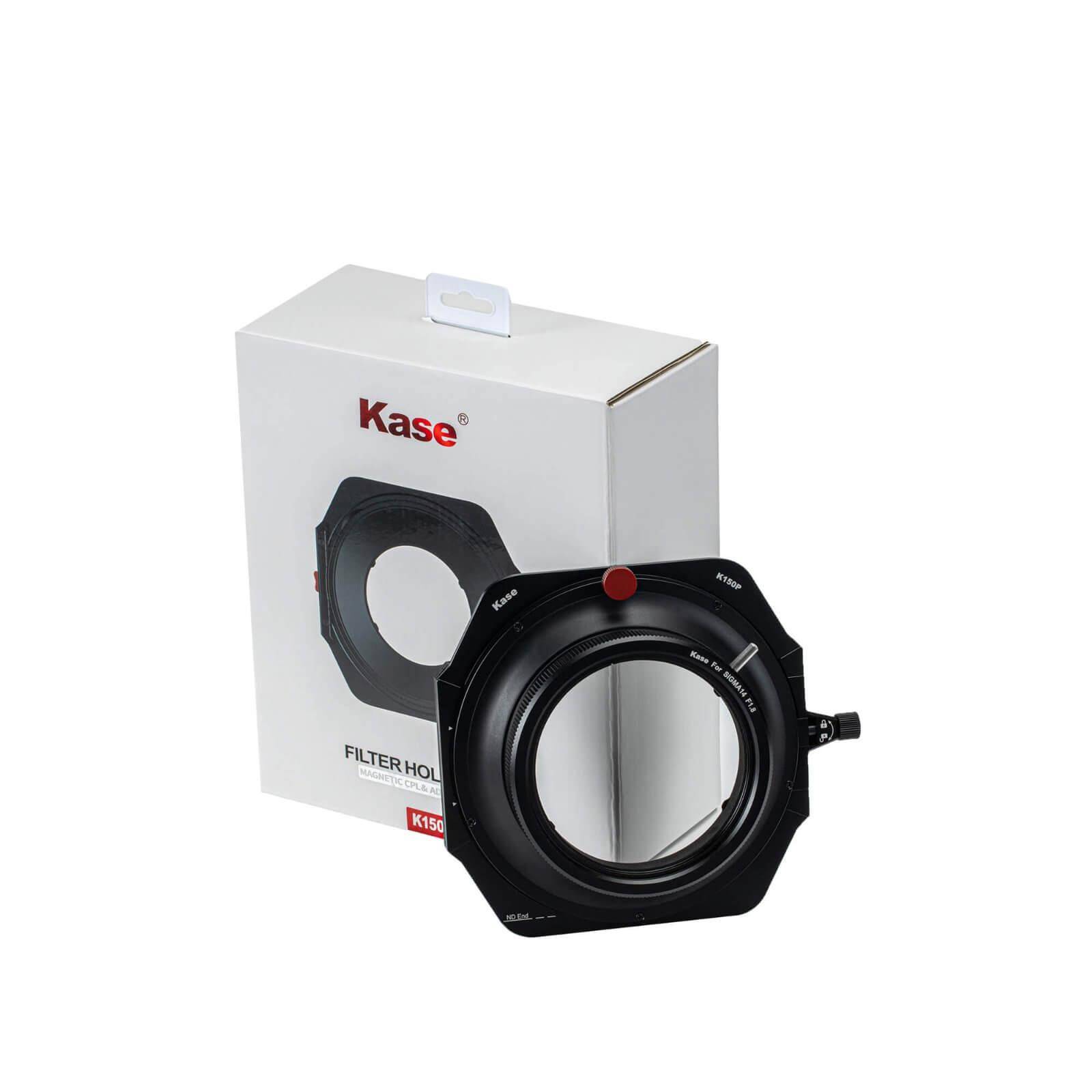
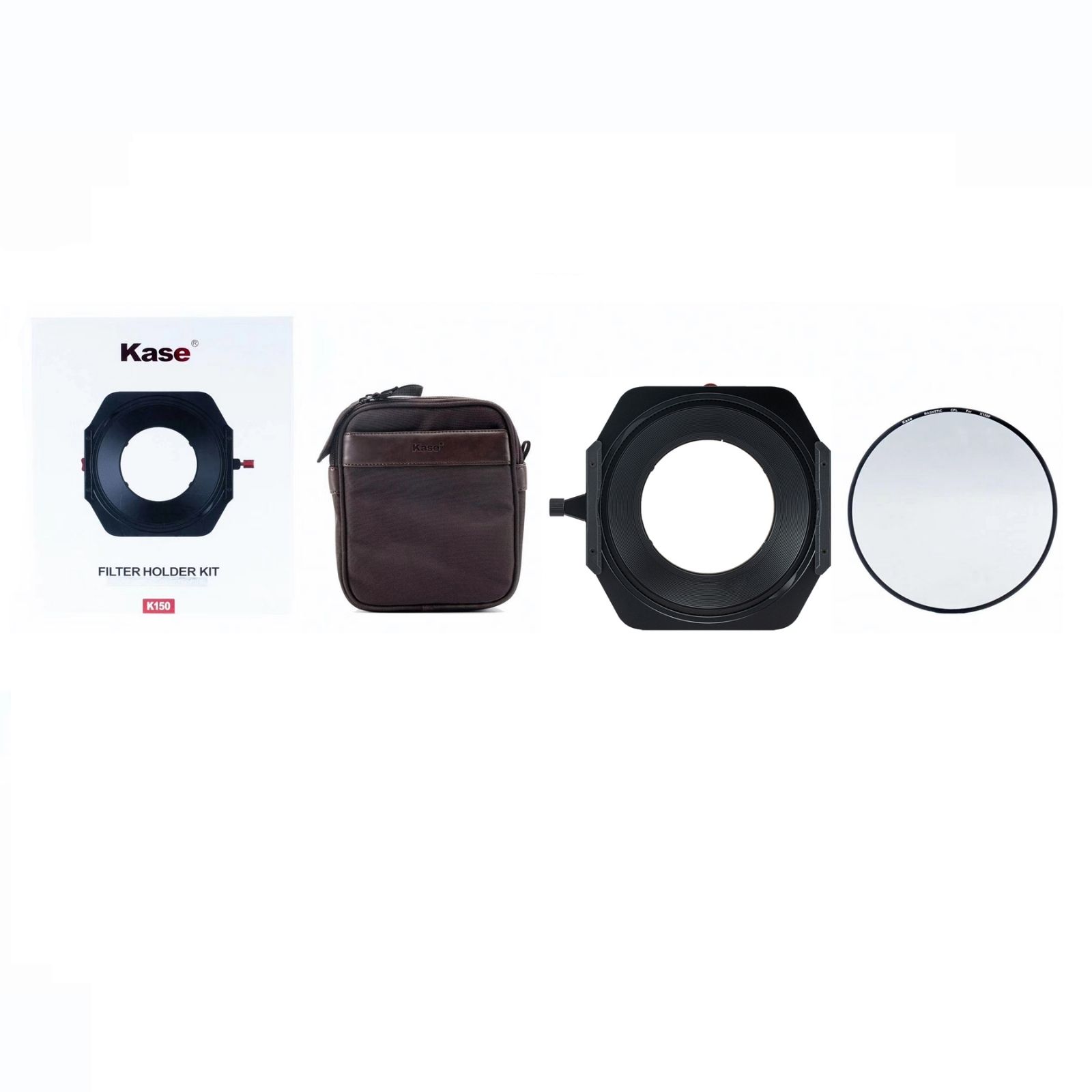
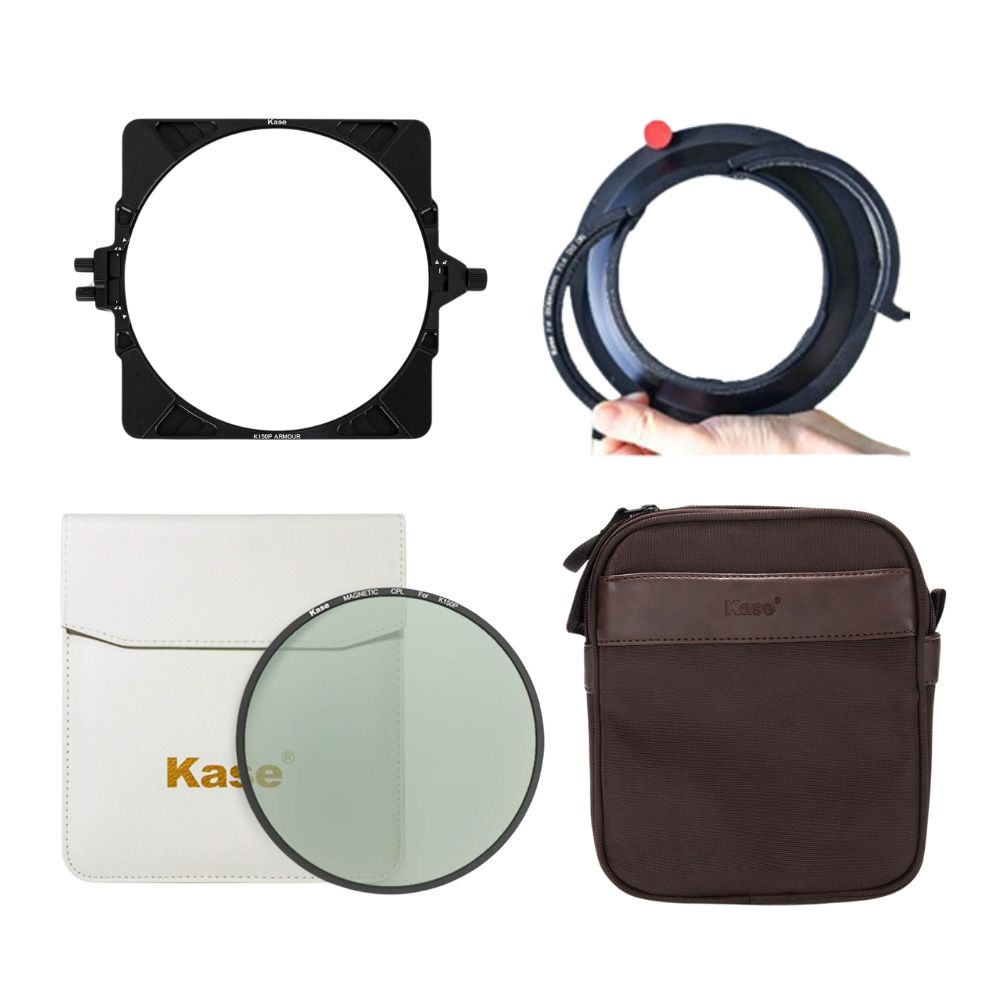
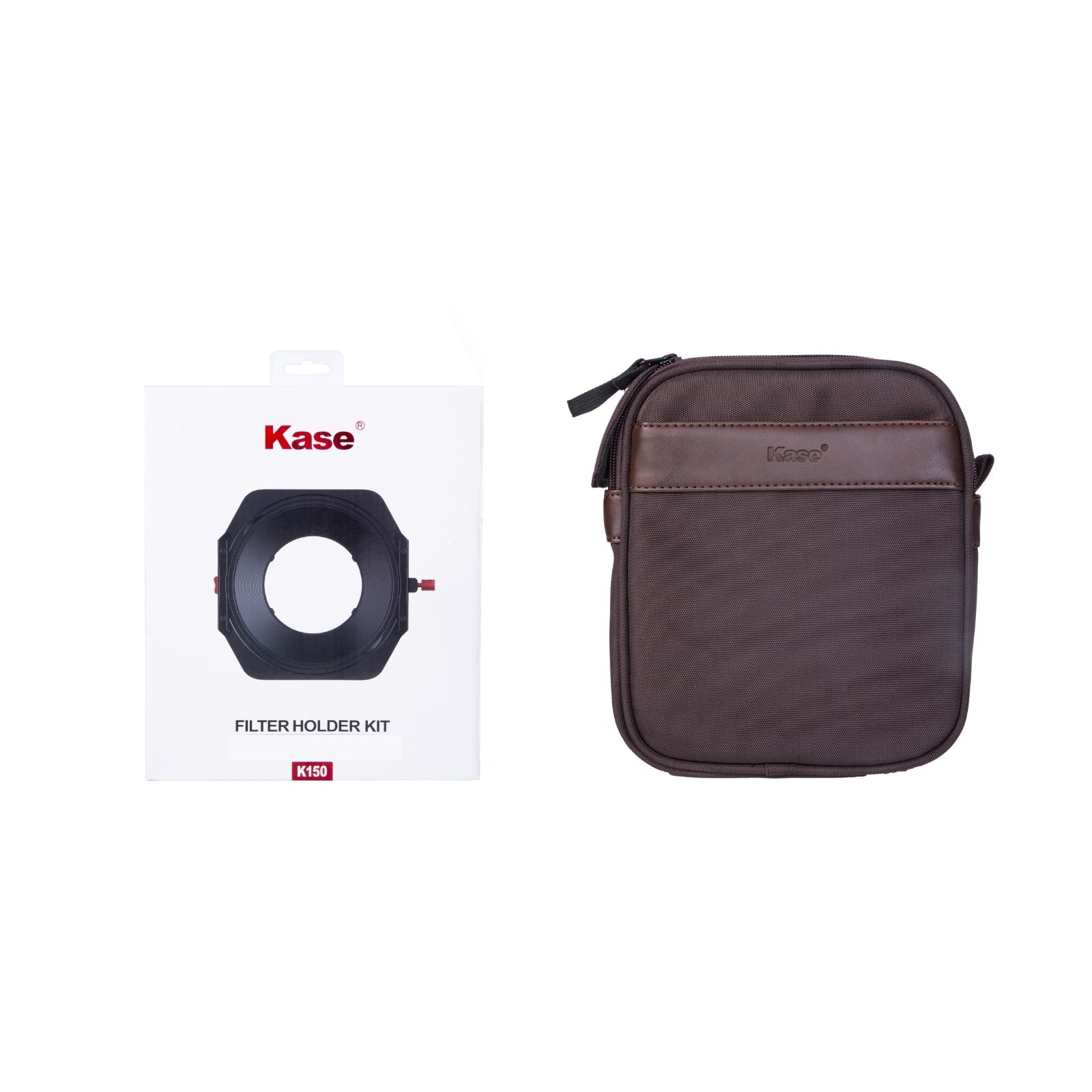
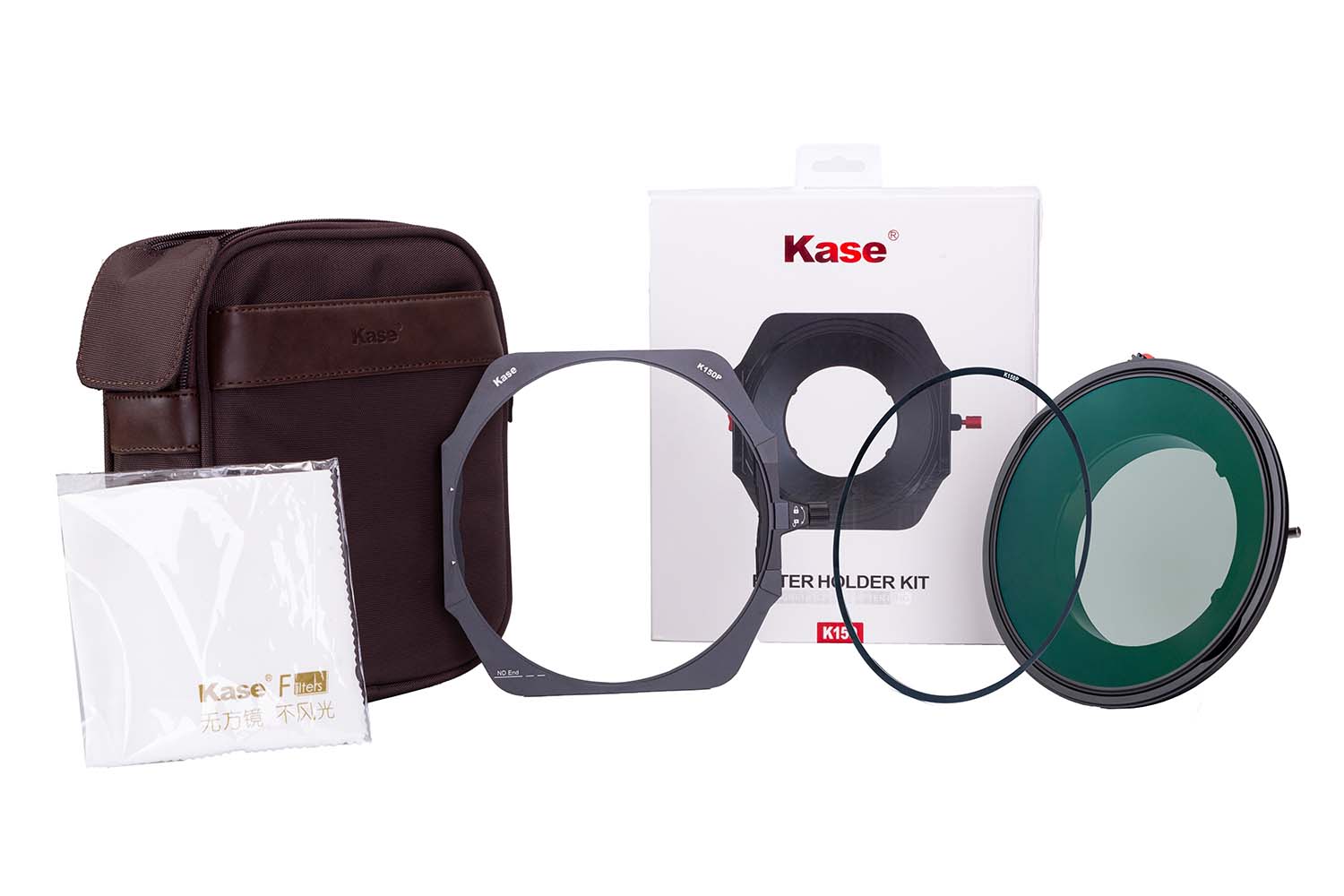
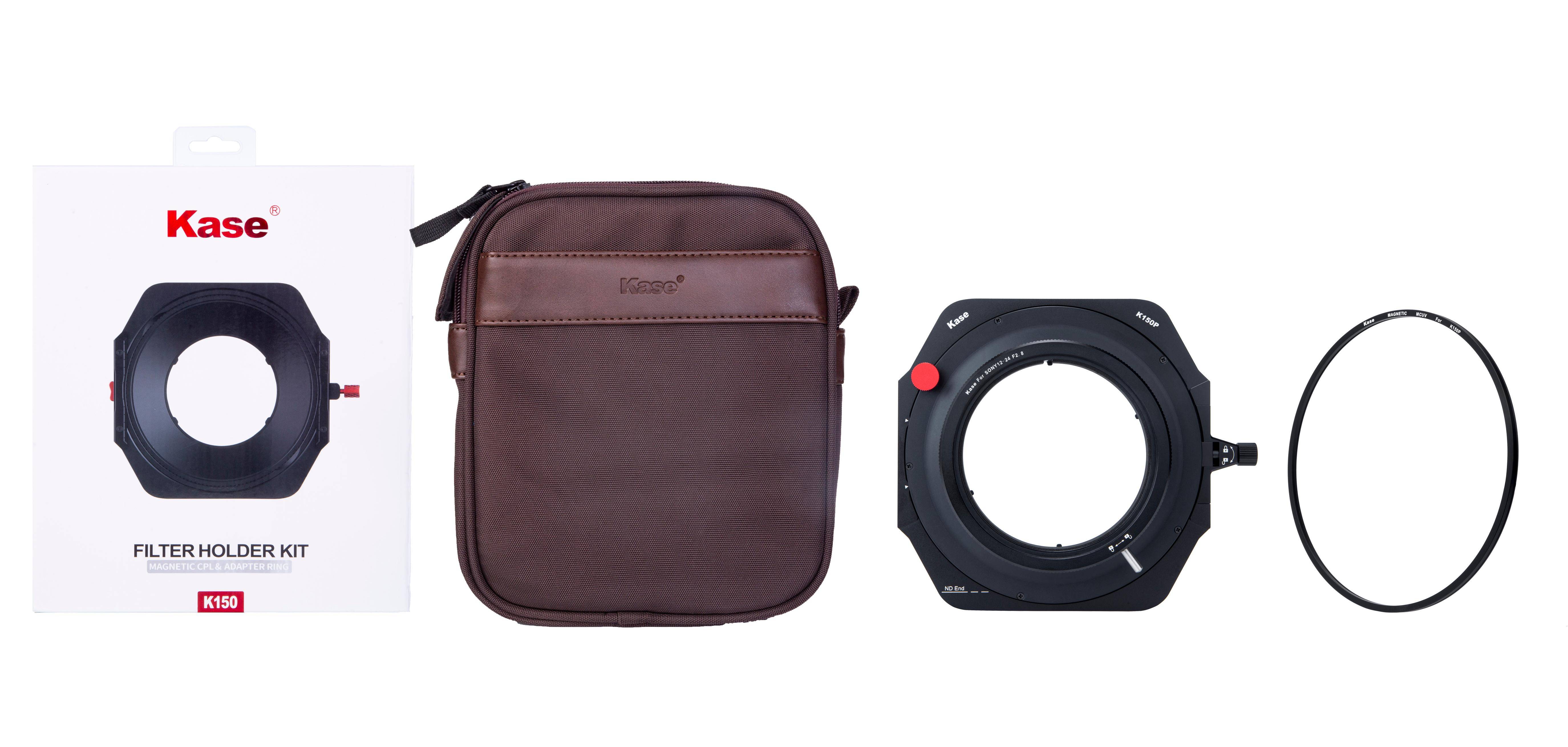
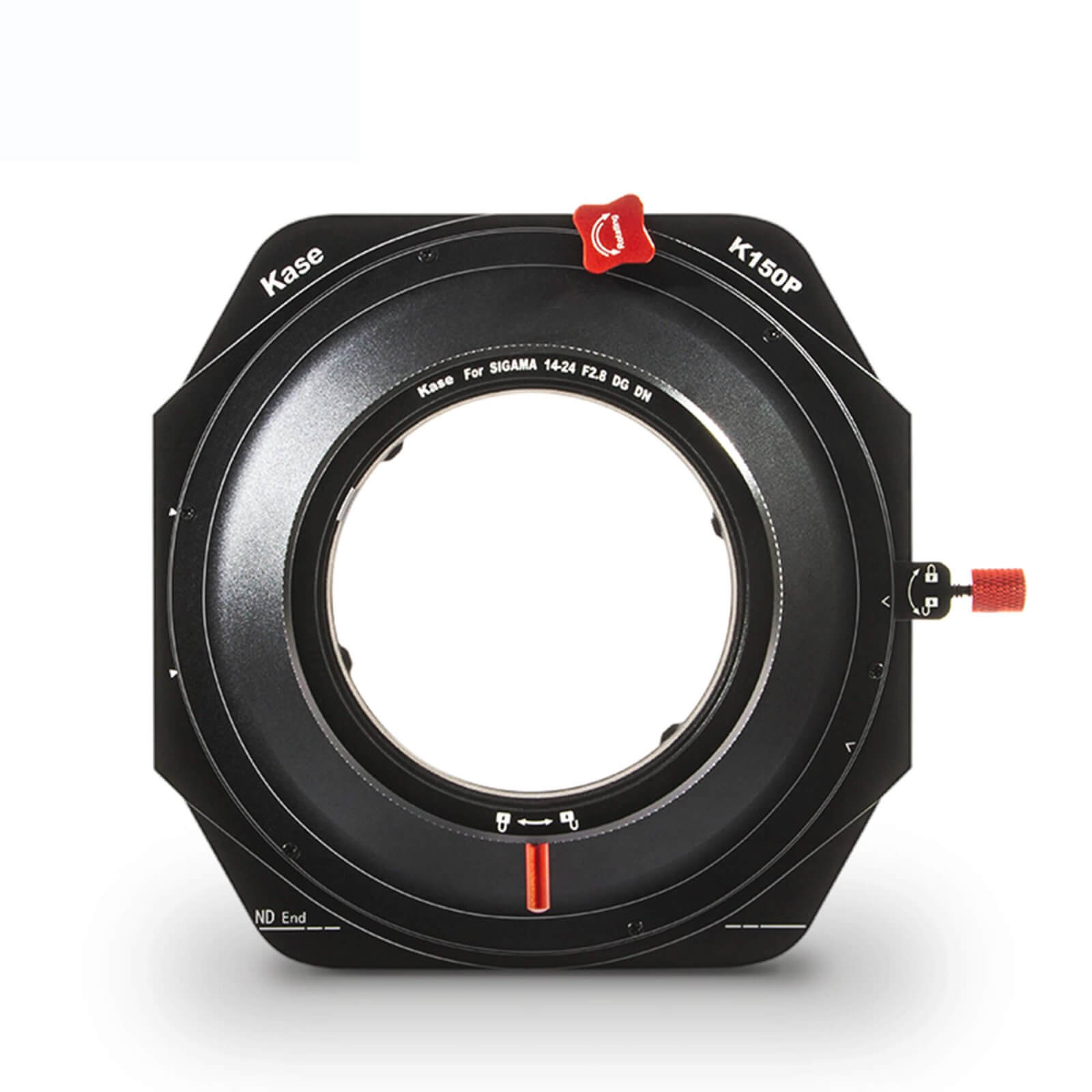
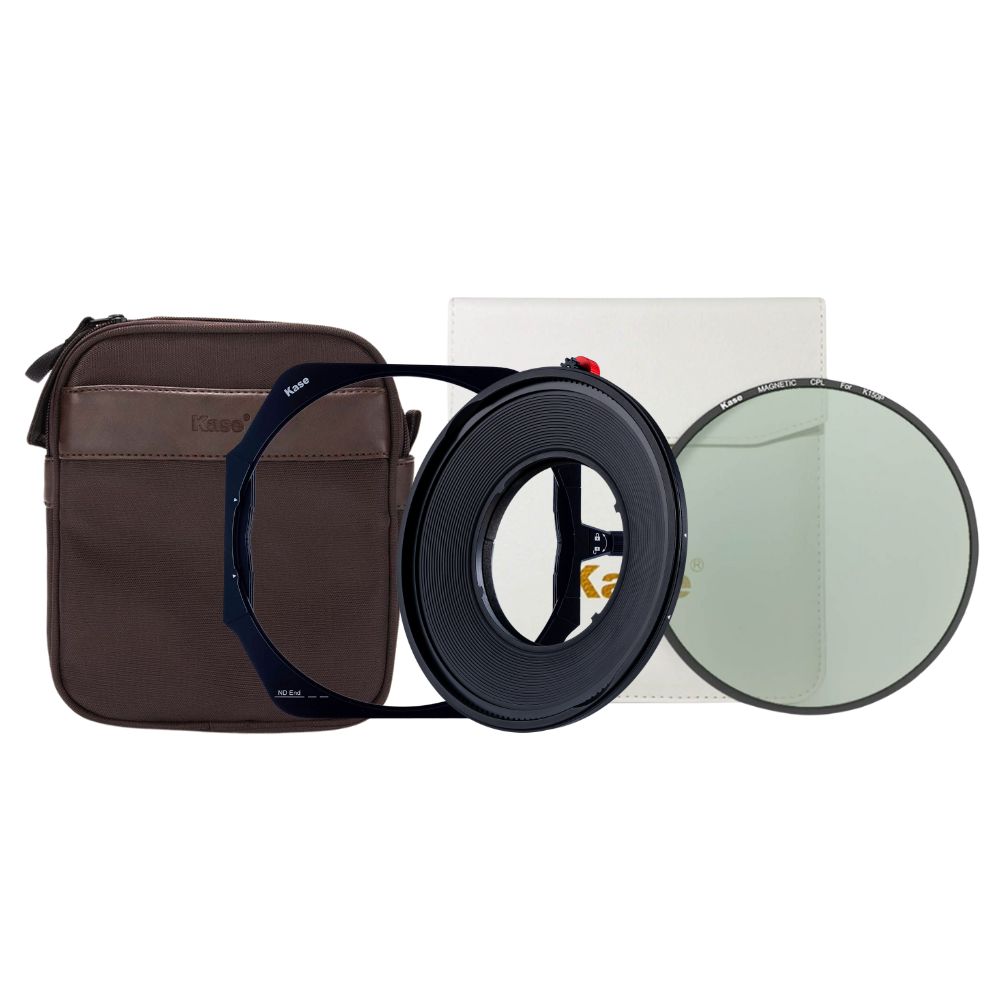
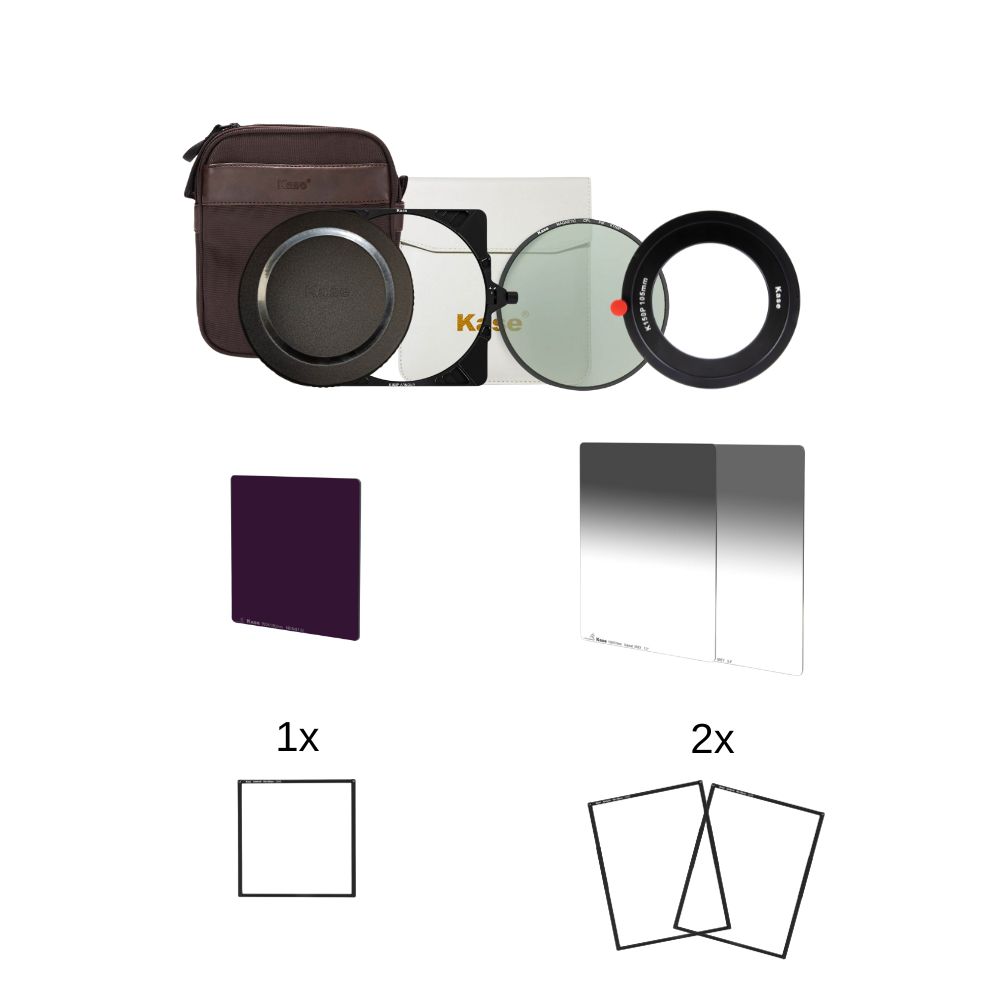
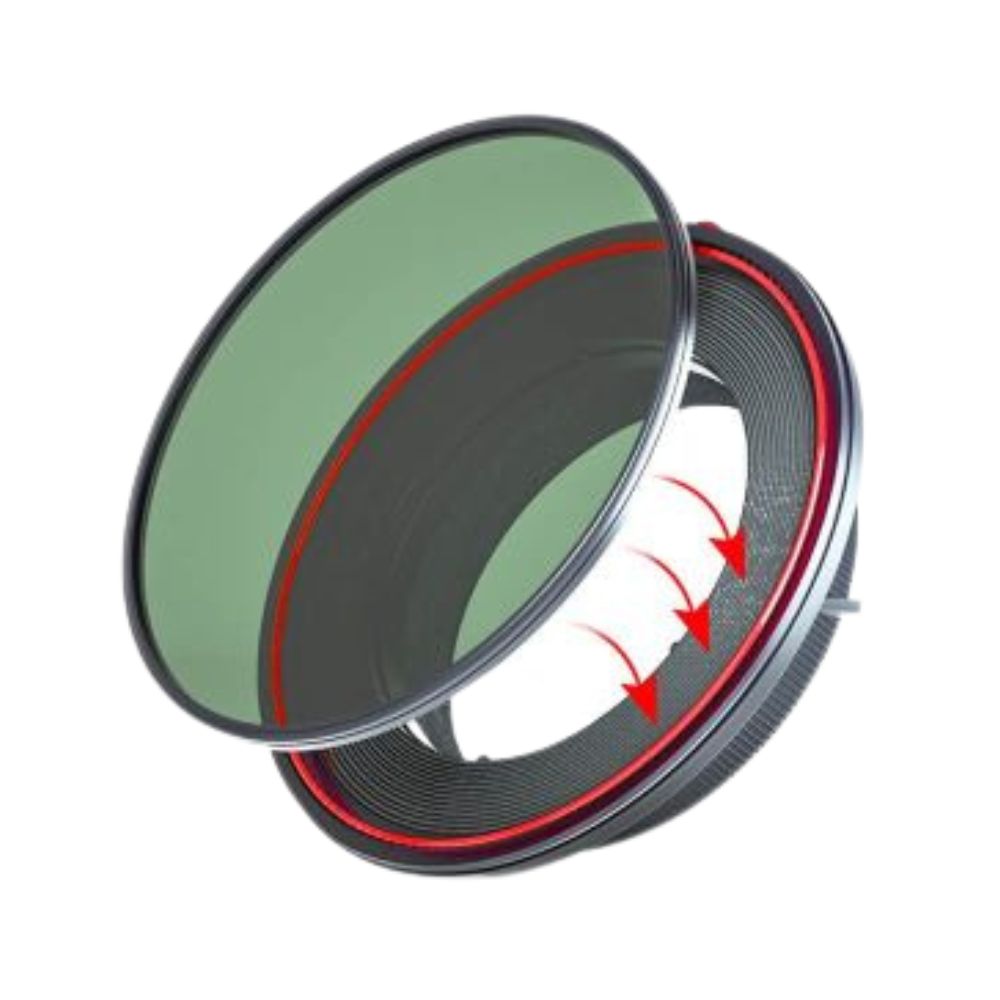
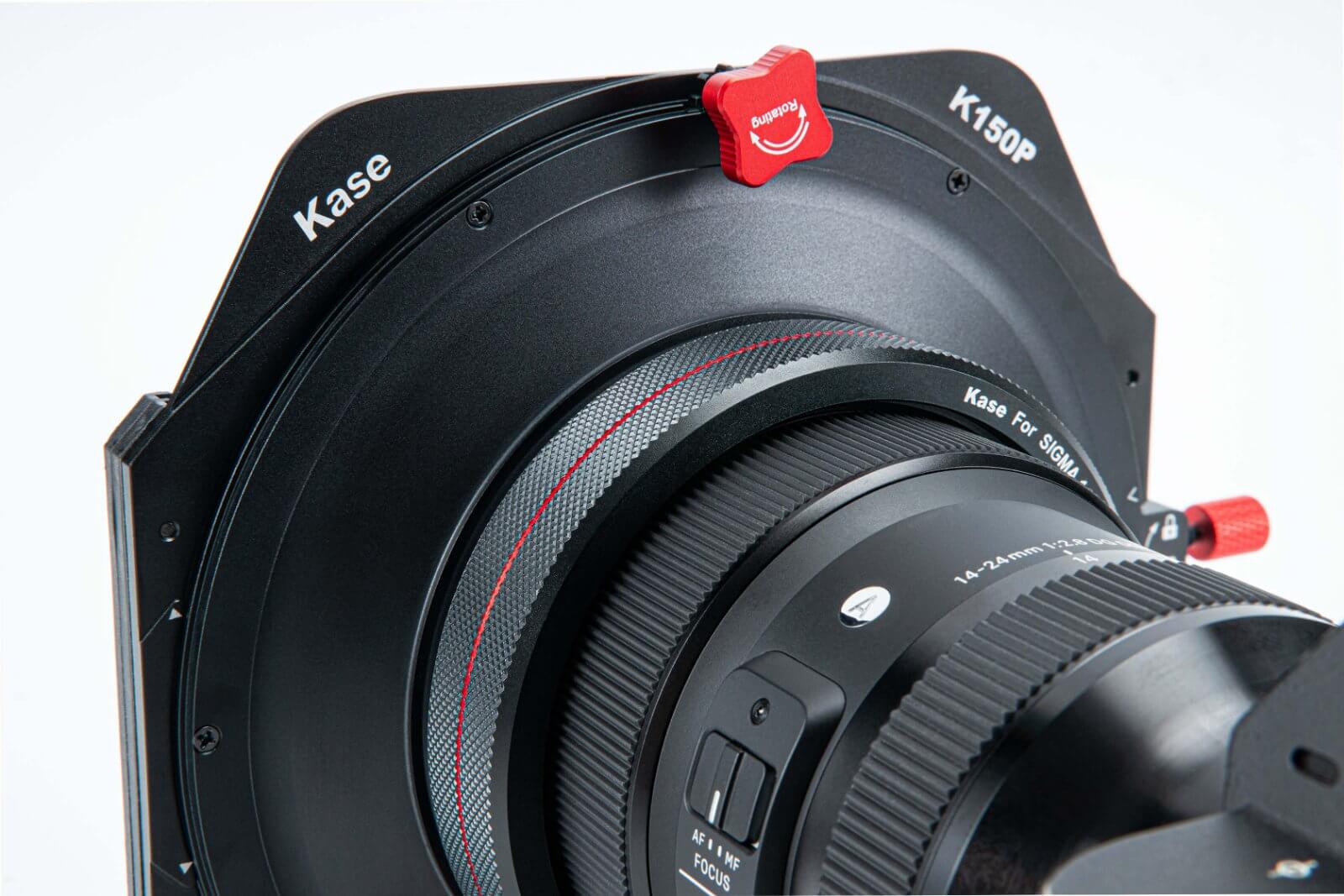
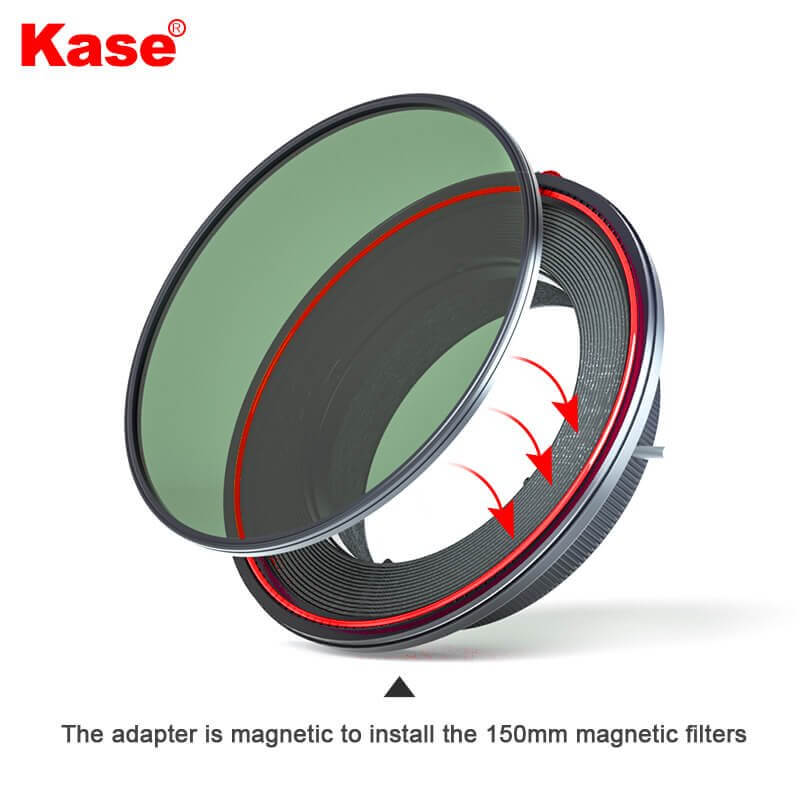
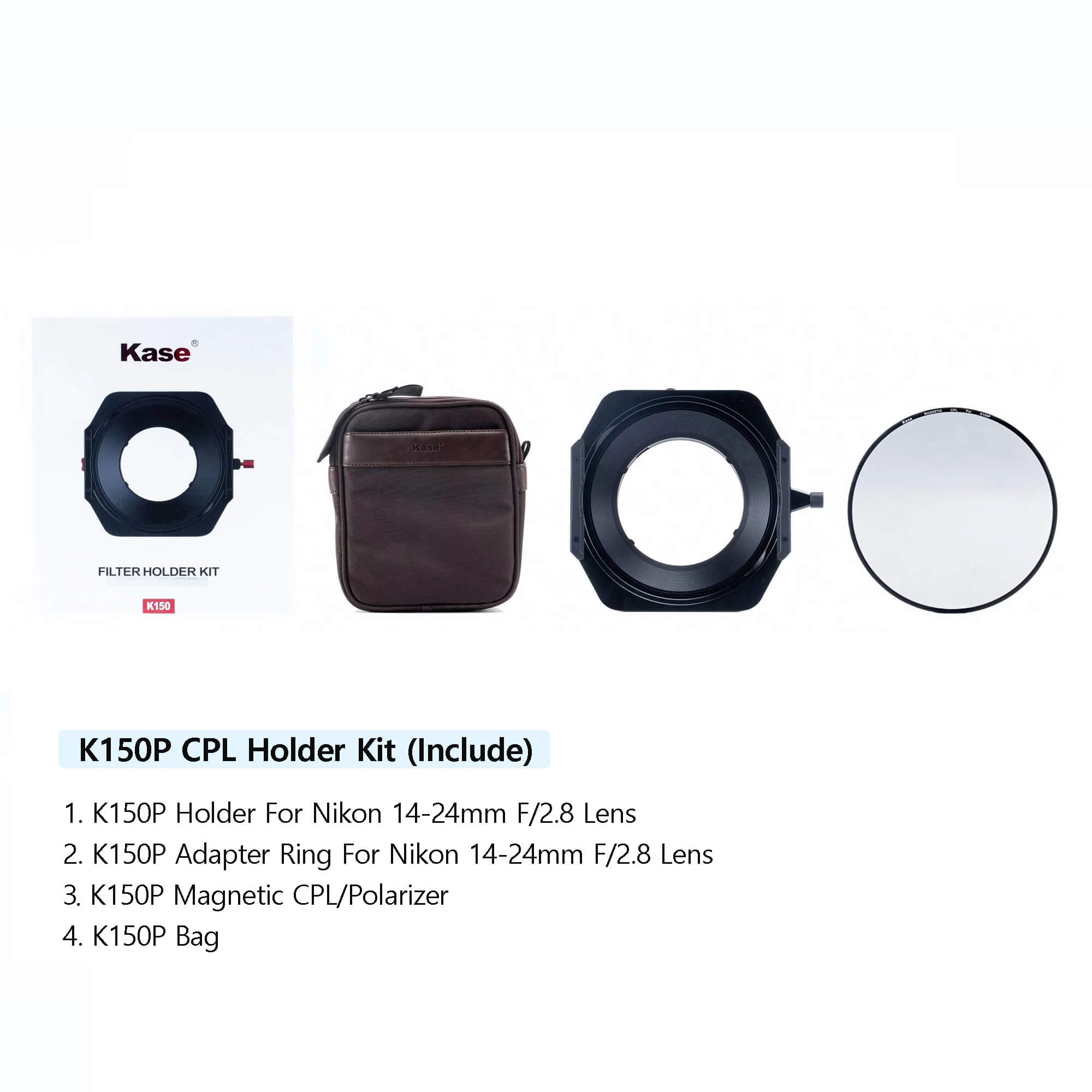
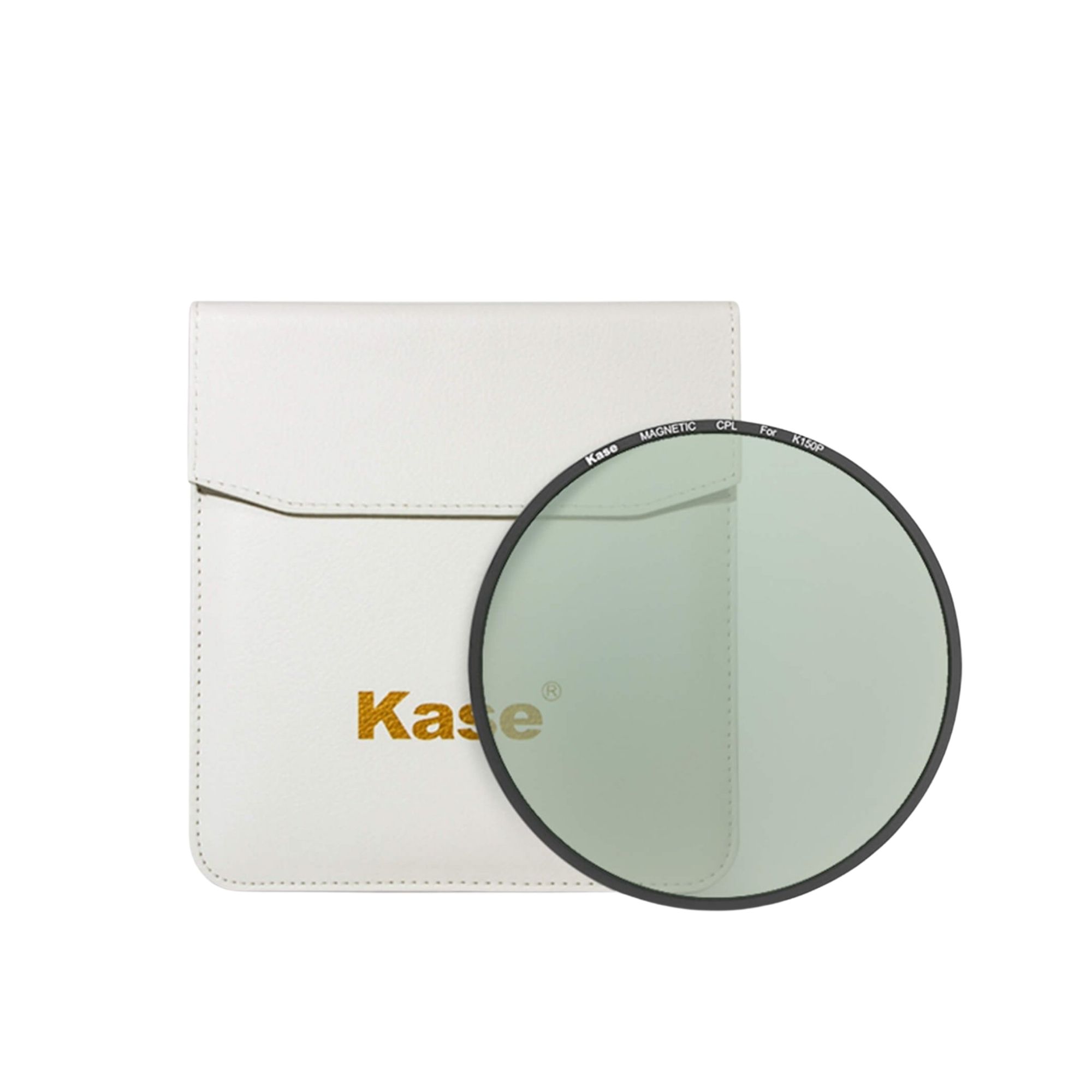
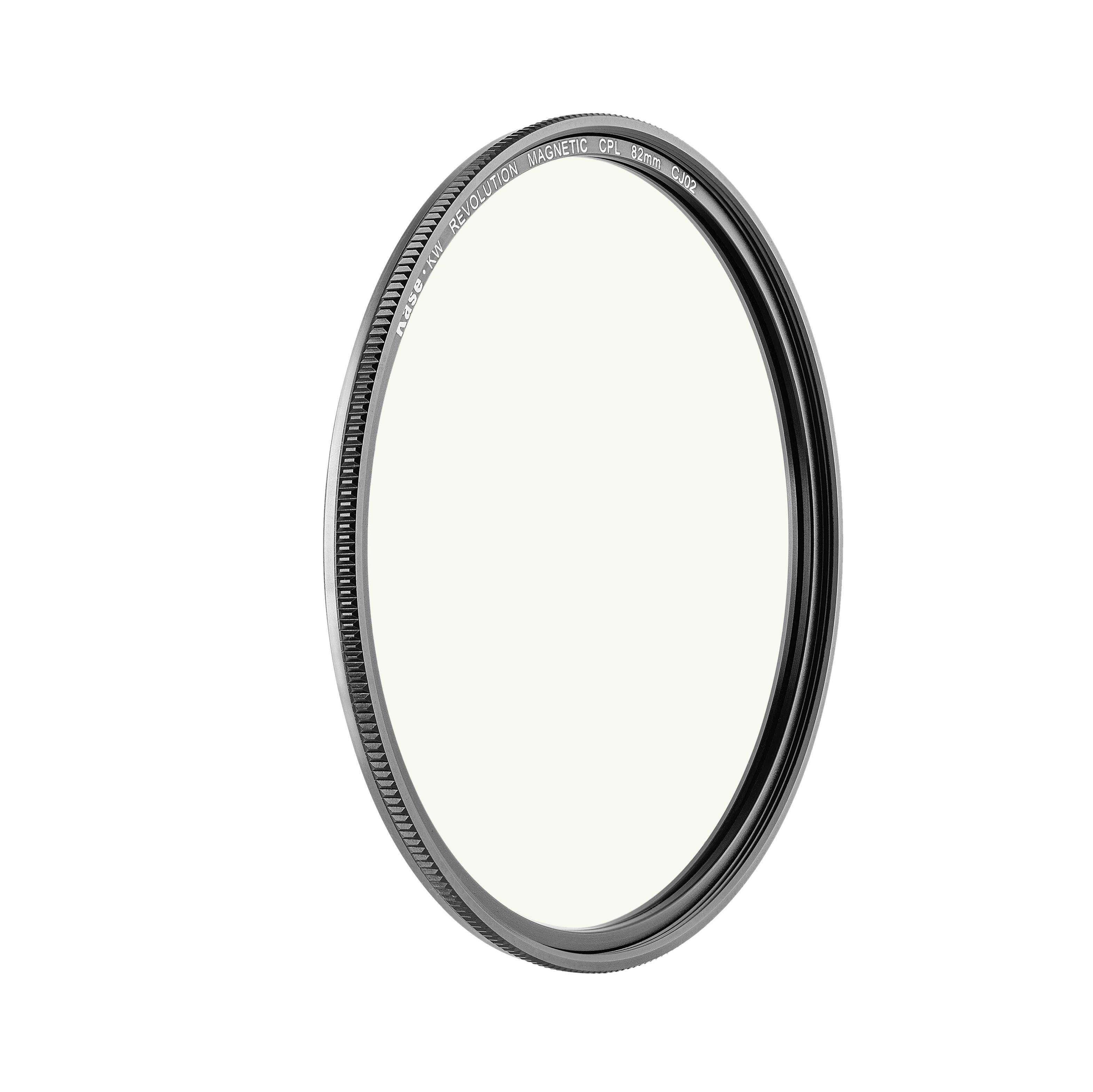
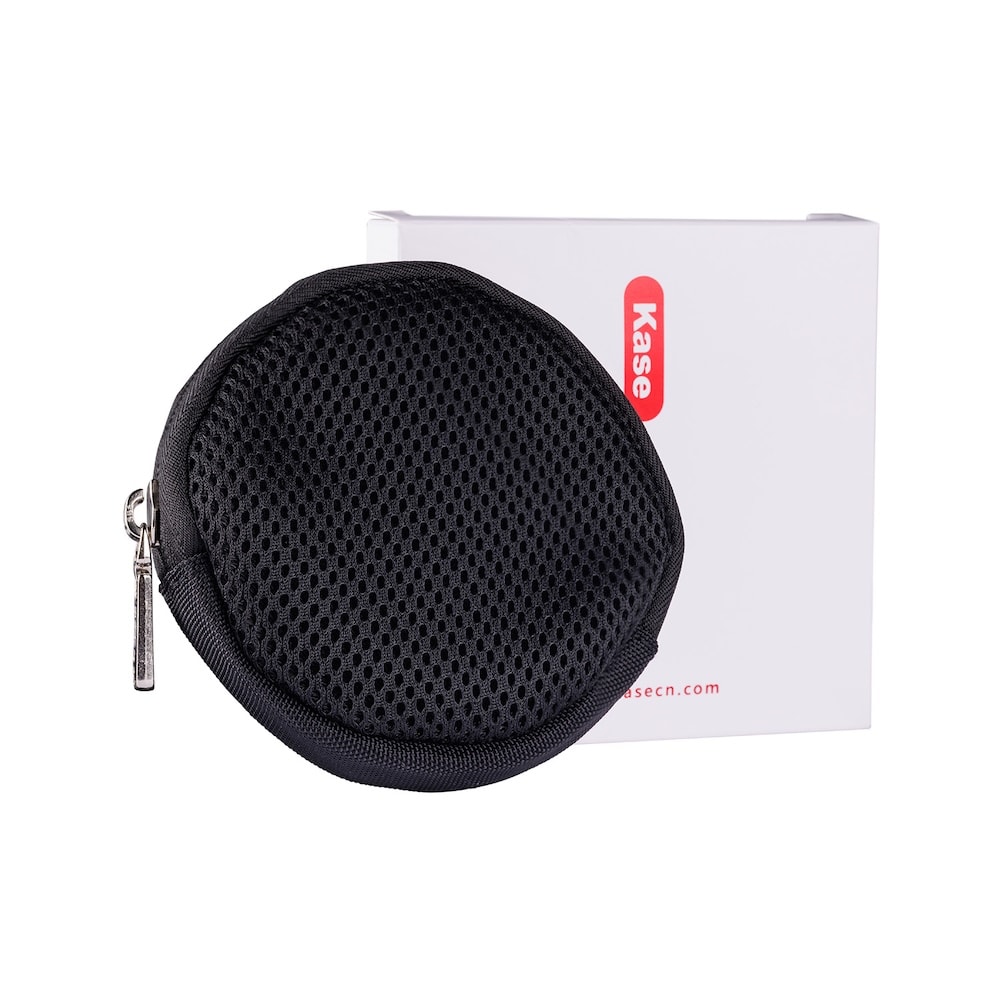
🪞 Kase K150P polarising filter 150 mm - Magnetic, precise & rotatable at any time The Kase K150P polarising filter (150 mm) is the ideal addition to the K150P filter holder with polarising filter insert. You mount it magnetically and rotate it flexibly - according to your requirements. 📸 For anyone who wants to reduce reflections and enhance colours - with maximum convenience! 🧲 Perfectly matched to your K150P system 🧩 Can be used magnetically in the K150P holder system 🔄 Freely rotatable in the filter holder - for optimum control over reflections and polarisation 🎯 Developed for a perfect fit - no wobbling, no play, maximum precision 🛡 High-quality coating for a long service life 💧 Multi-coated - oil and water-repellent, ideal for outdoor use 🧼 Easy to clean - even in wet or dusty weather 📦 Scope of delivery ✅ 1× K150P polarising filter (150 mm, magnetic)✅ 1× storage bag 💡 Your advantage: You get one for your K150P system that can be used at lightning speed and adjusted intuitively - for more dynamic range, clearer colours and better image effects.
In Stock
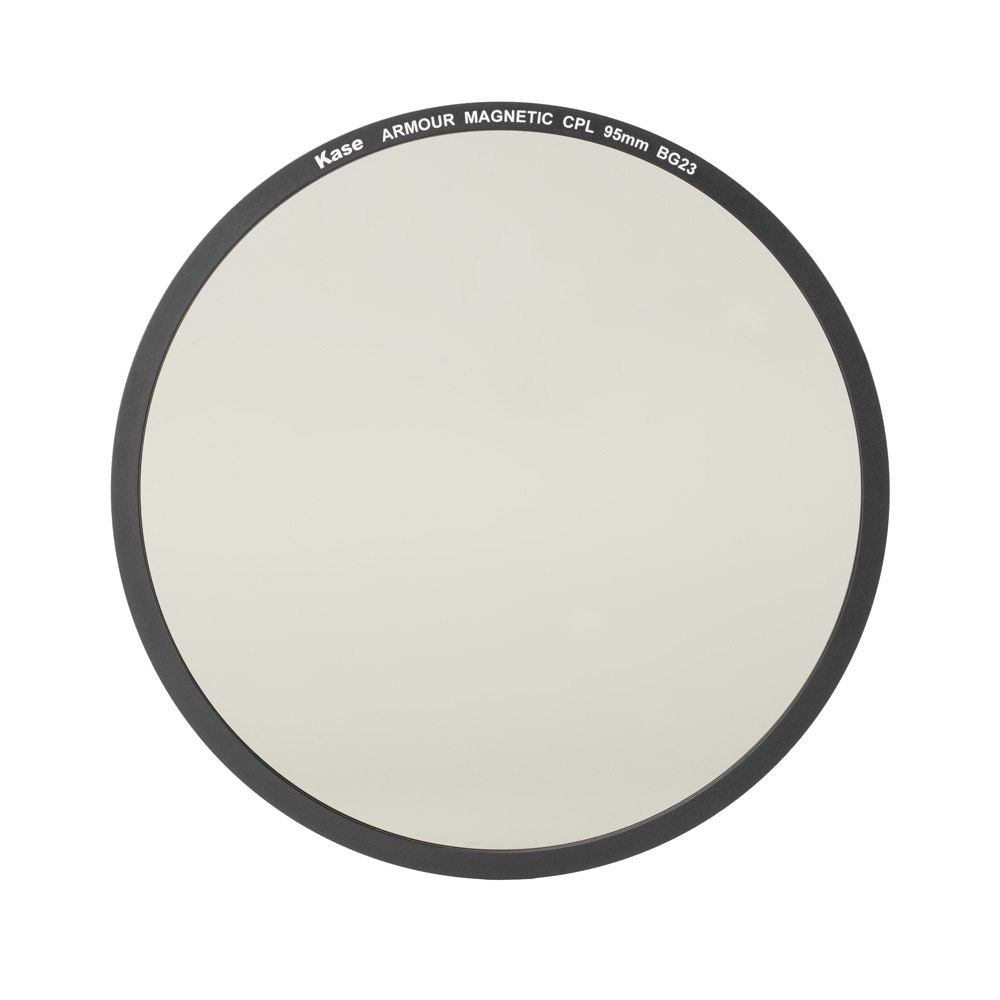
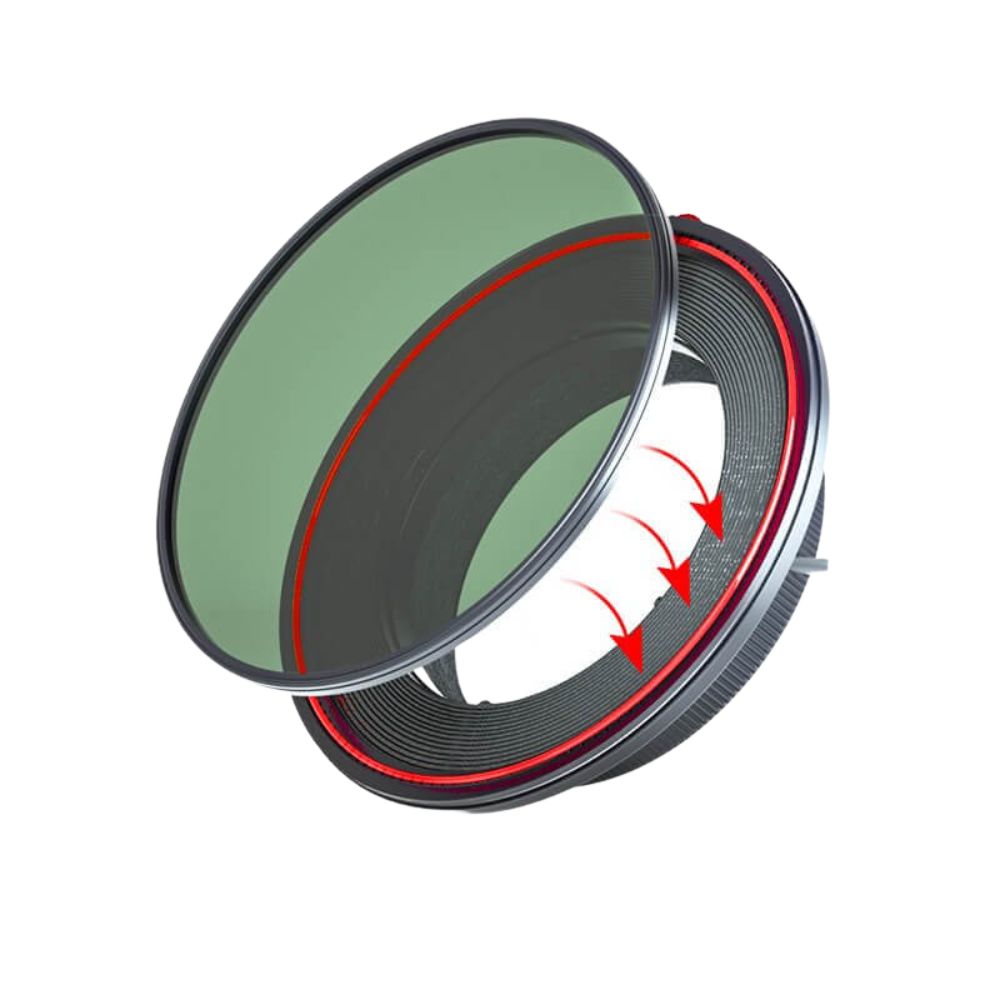
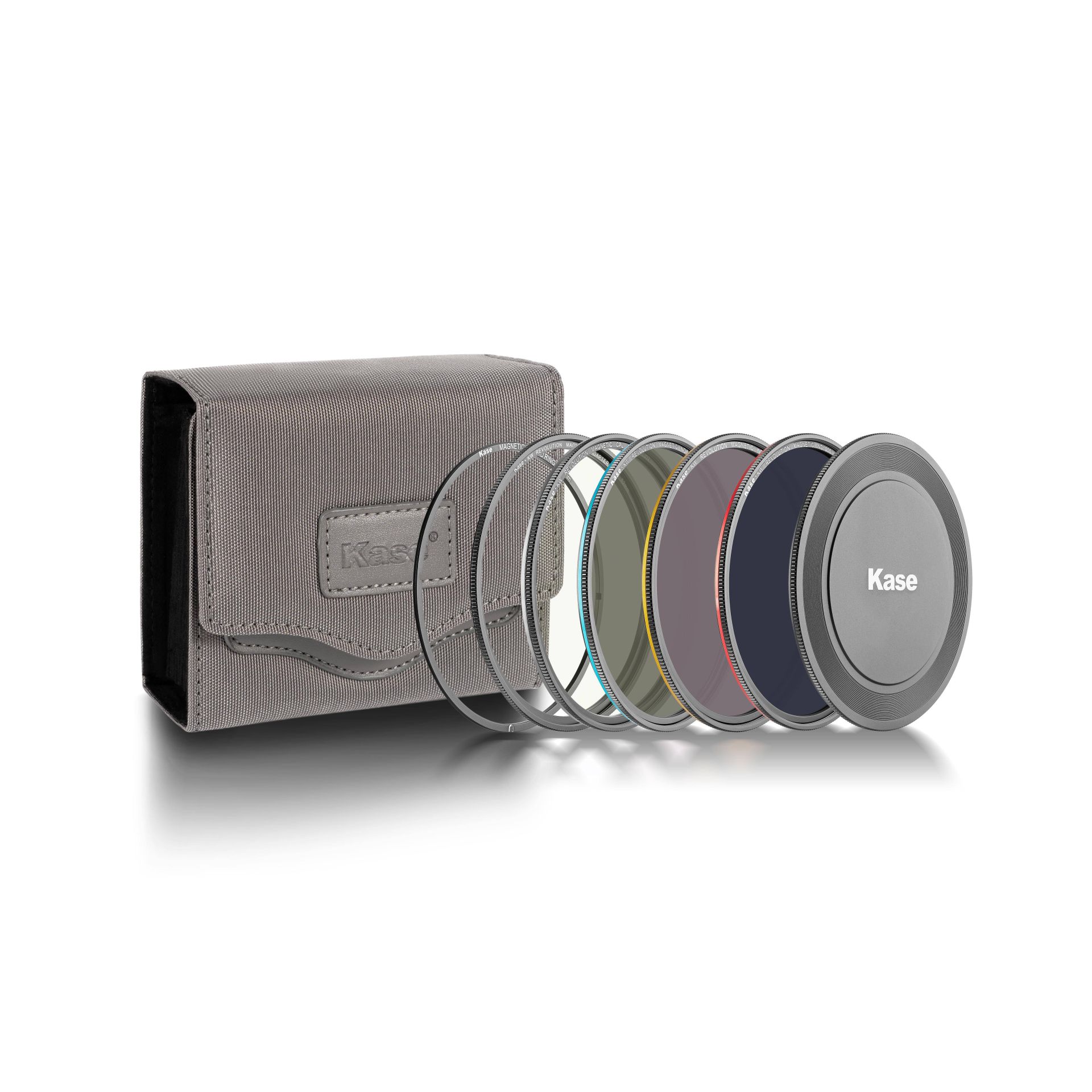
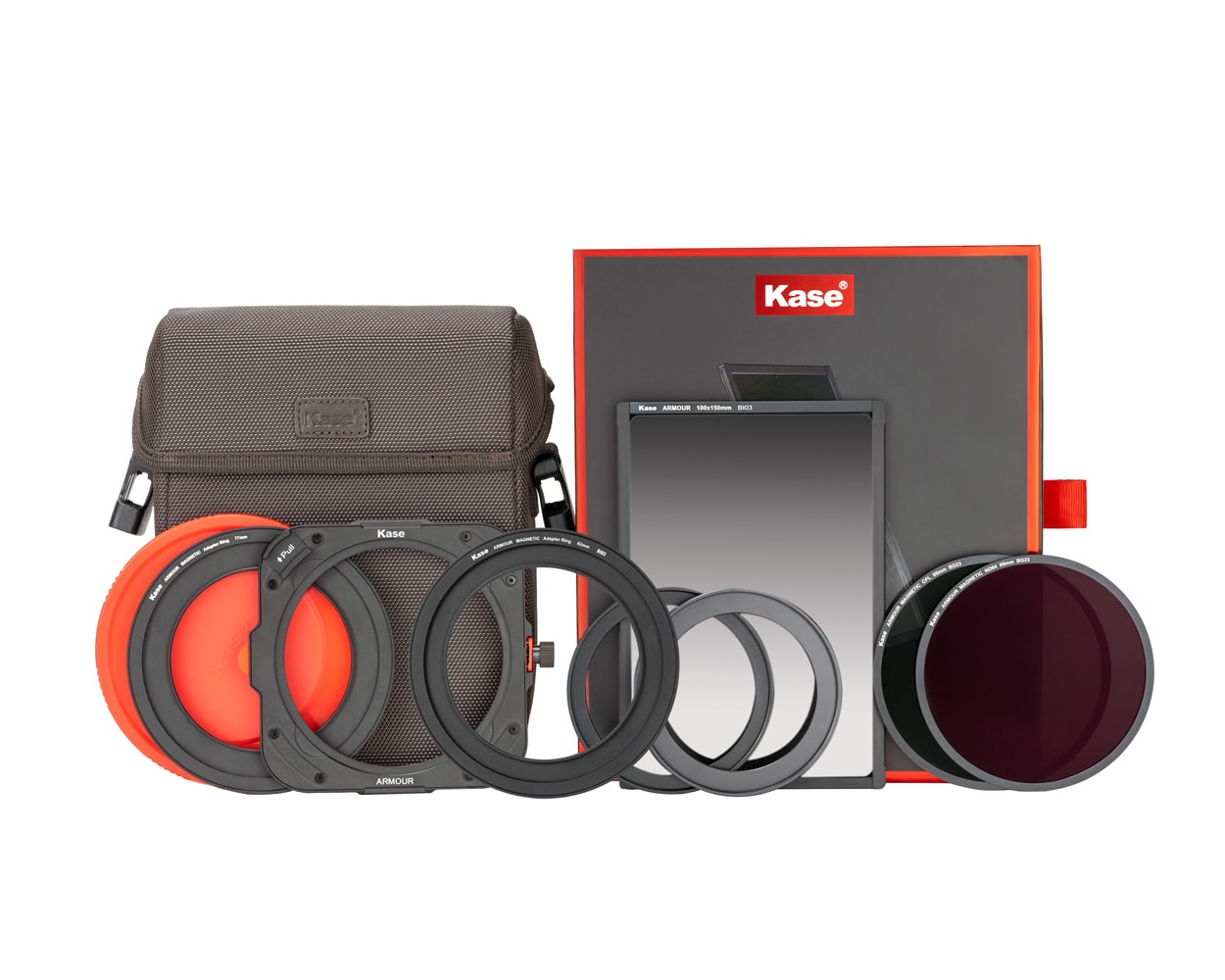
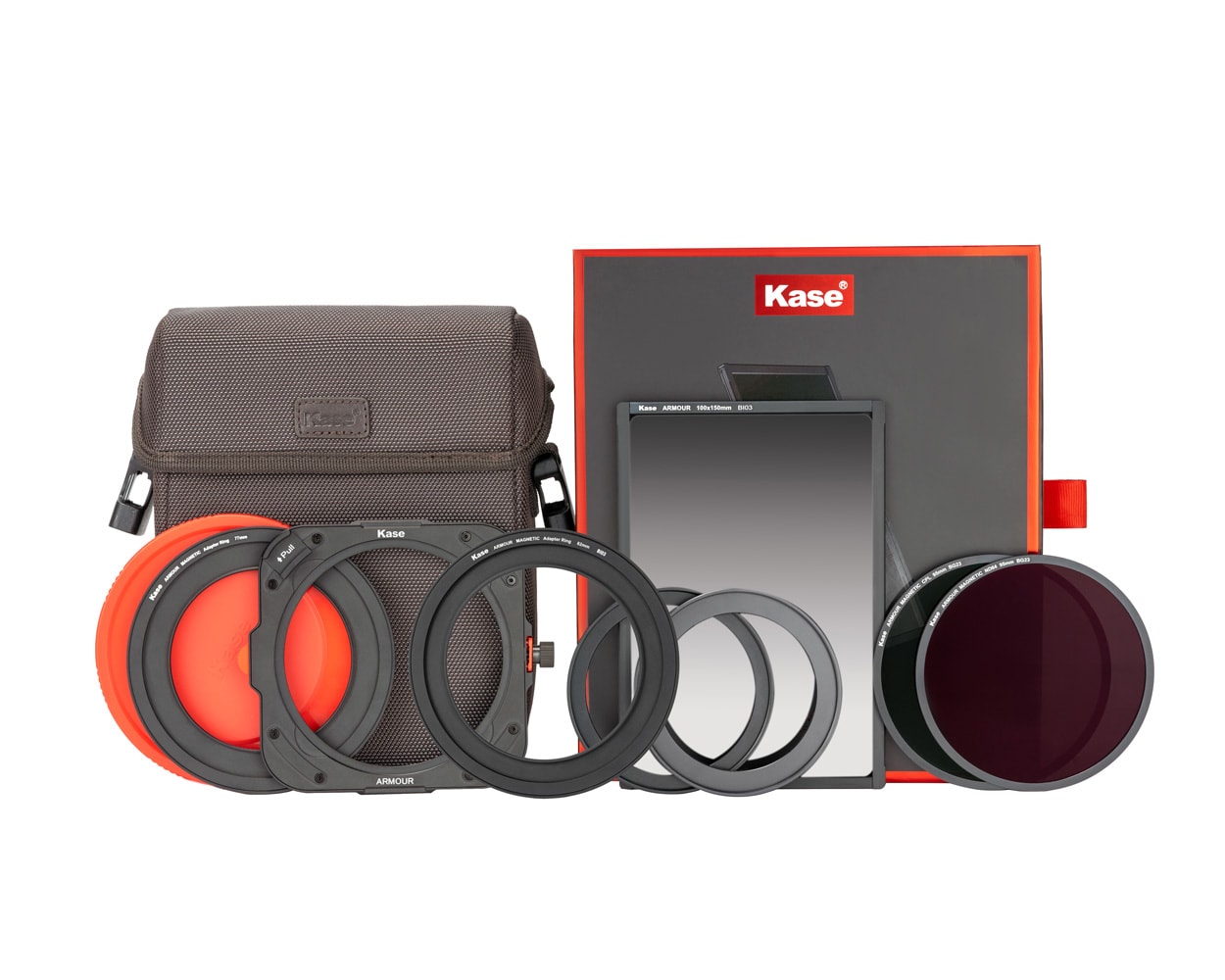
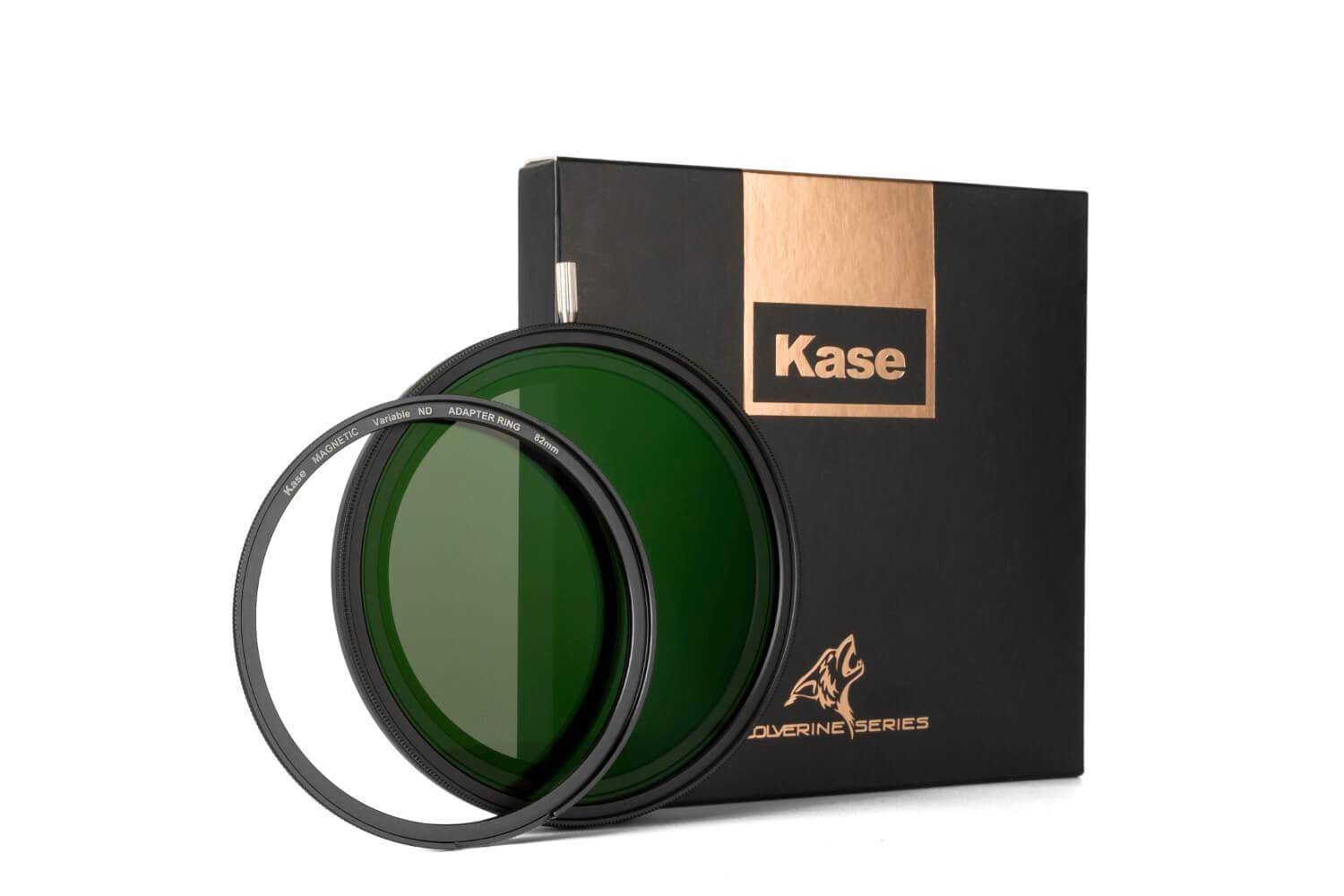
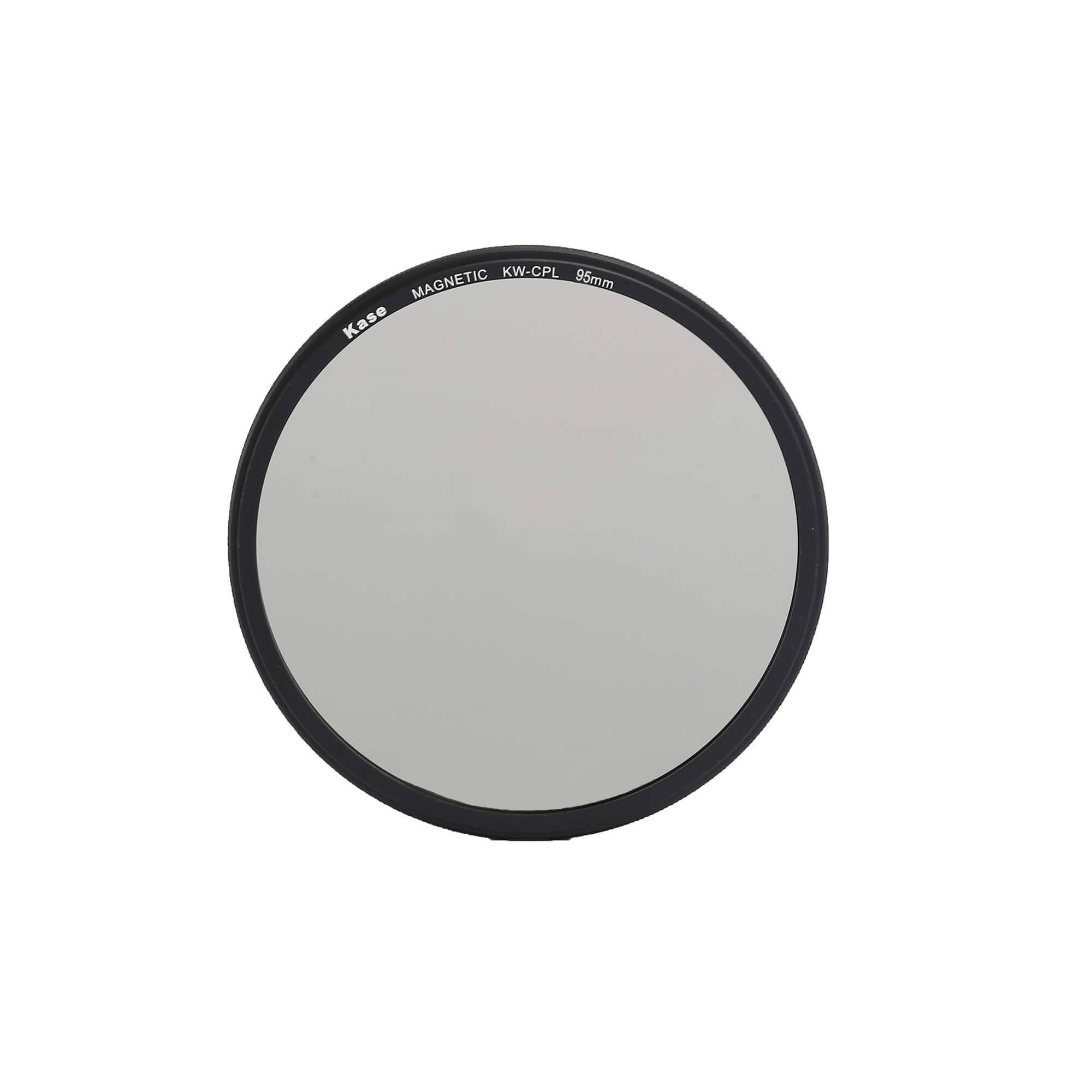
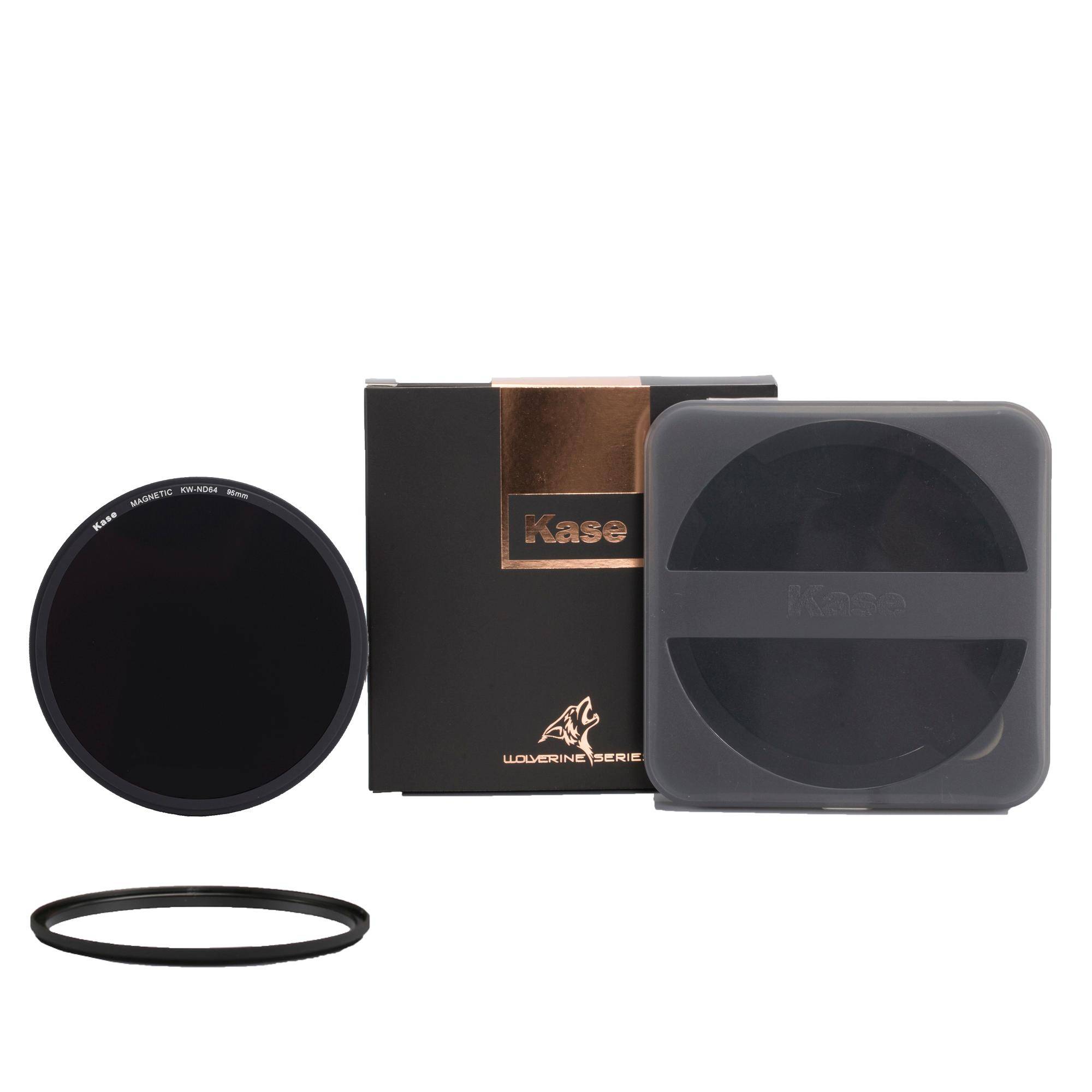
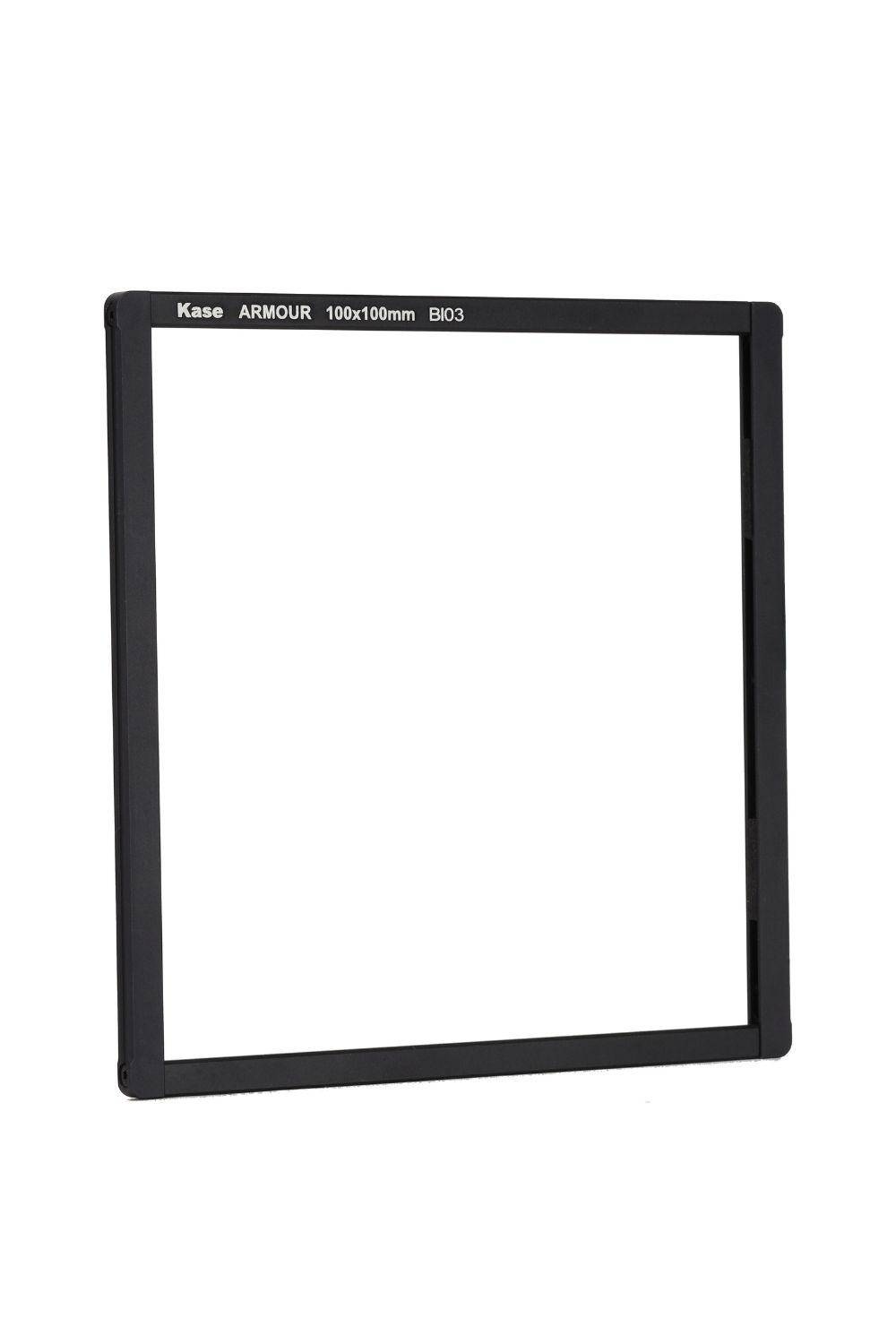
The Kase Wolverine series filters have been praised in independent tests for their optical superiority. Their tempered glass construction promises both durability and peace of mind. These filters have virtually no color cast and ensure color capture is true to the scene. The optical quality guarantees no loss of sharpness. The special nano-metallic electro-coatings make the Kase Wolverine filters scratch-resistant, water-repellent, anti-reflective and easy to clean. This ensures problem-free use in practice, regardless of the recording conditions. The Kase Armor extends the benefits of the Wolverine series by providing additional protection for the filters, simplifying filter use and ensuring safe photography even in the harshest conditions. Included in the package: 1x 95mm magnetic polarizing filter CPL ARMOR series
In Stock
Using a polarization filter
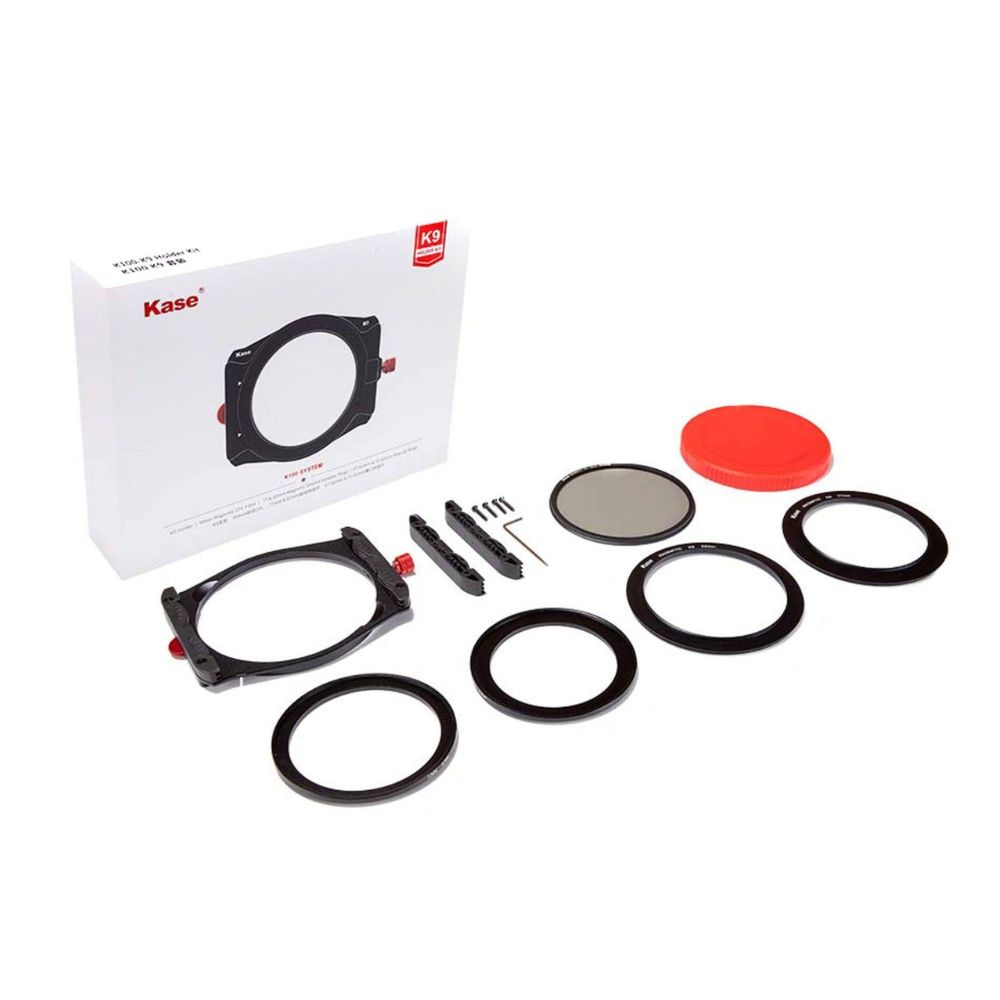
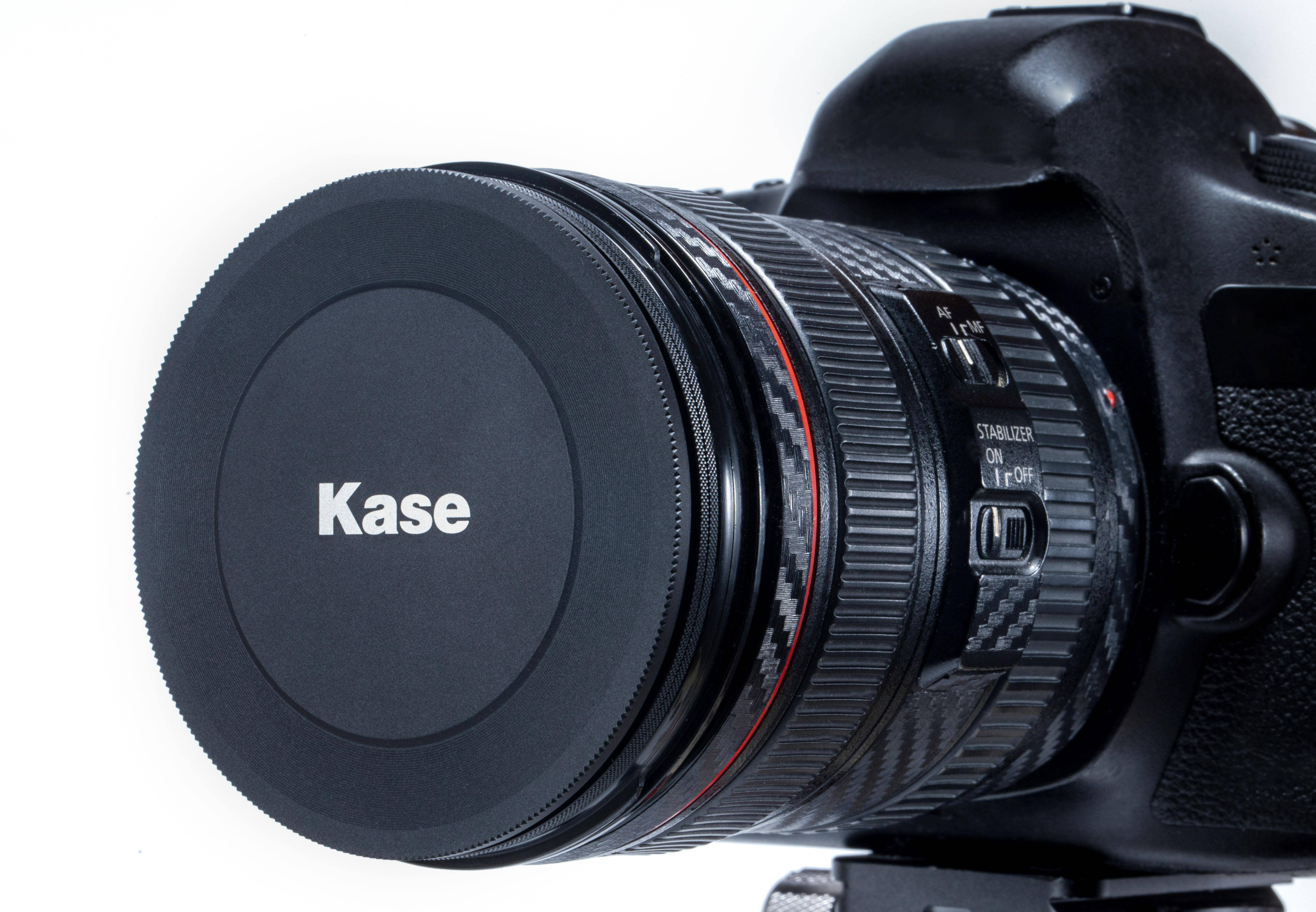
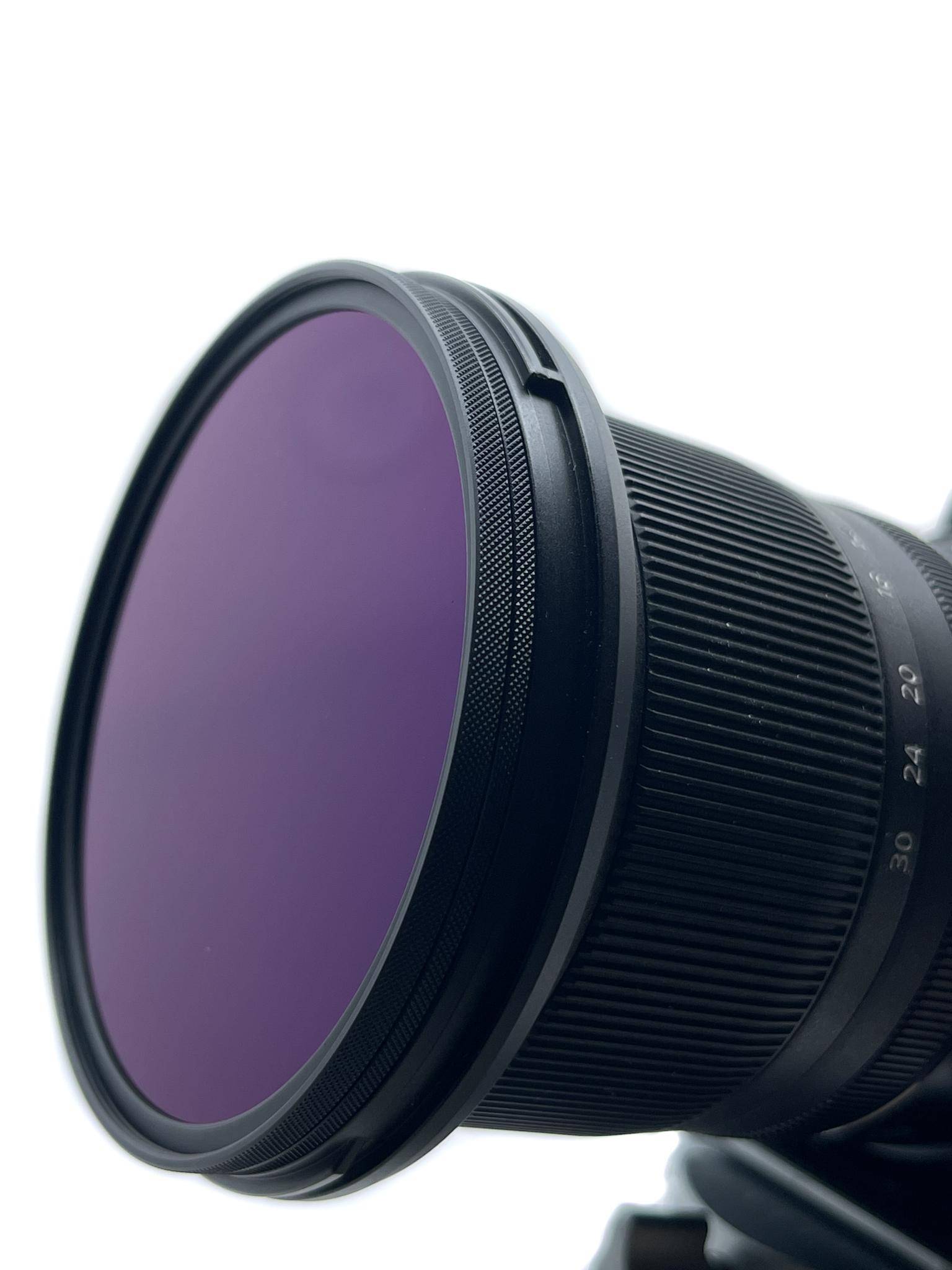
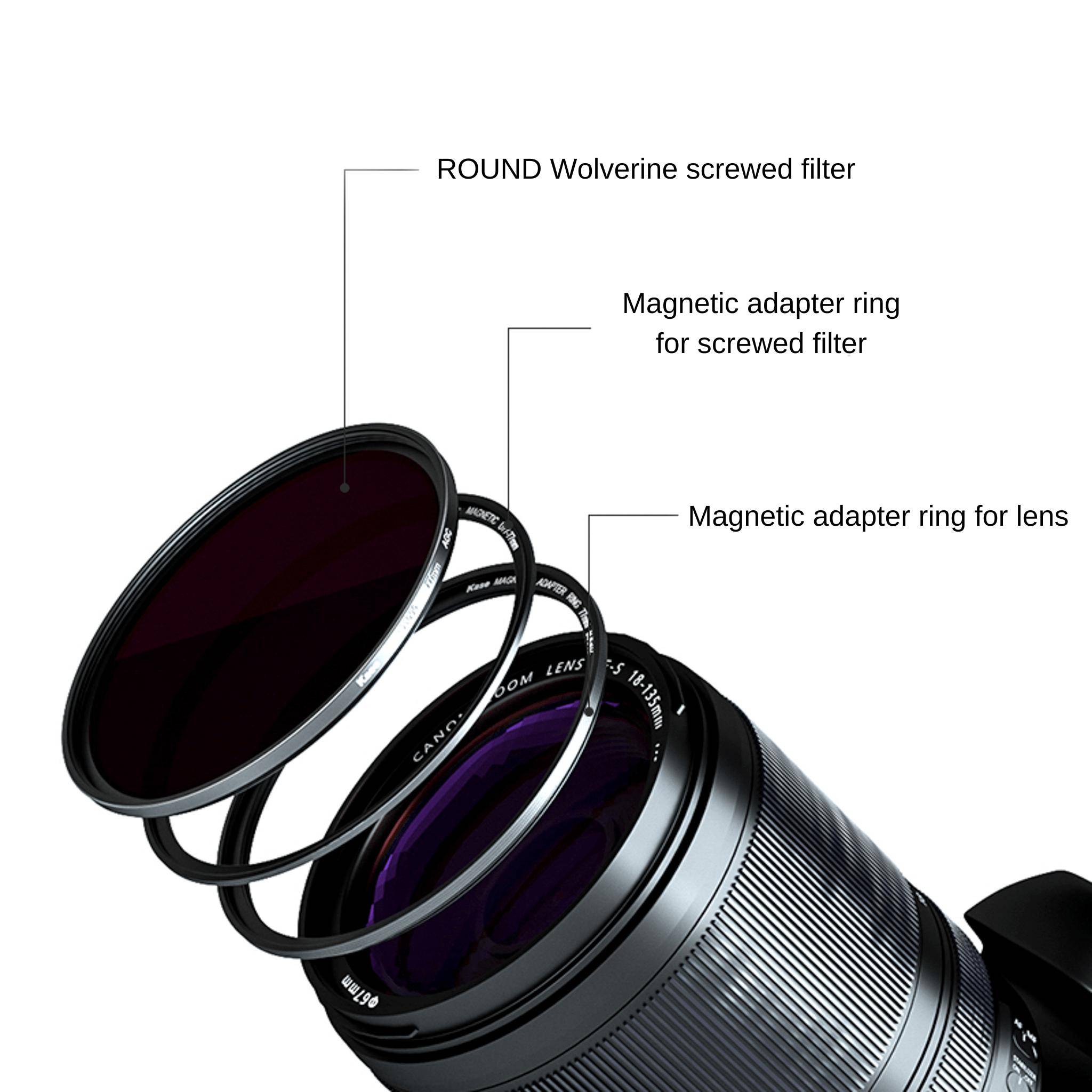
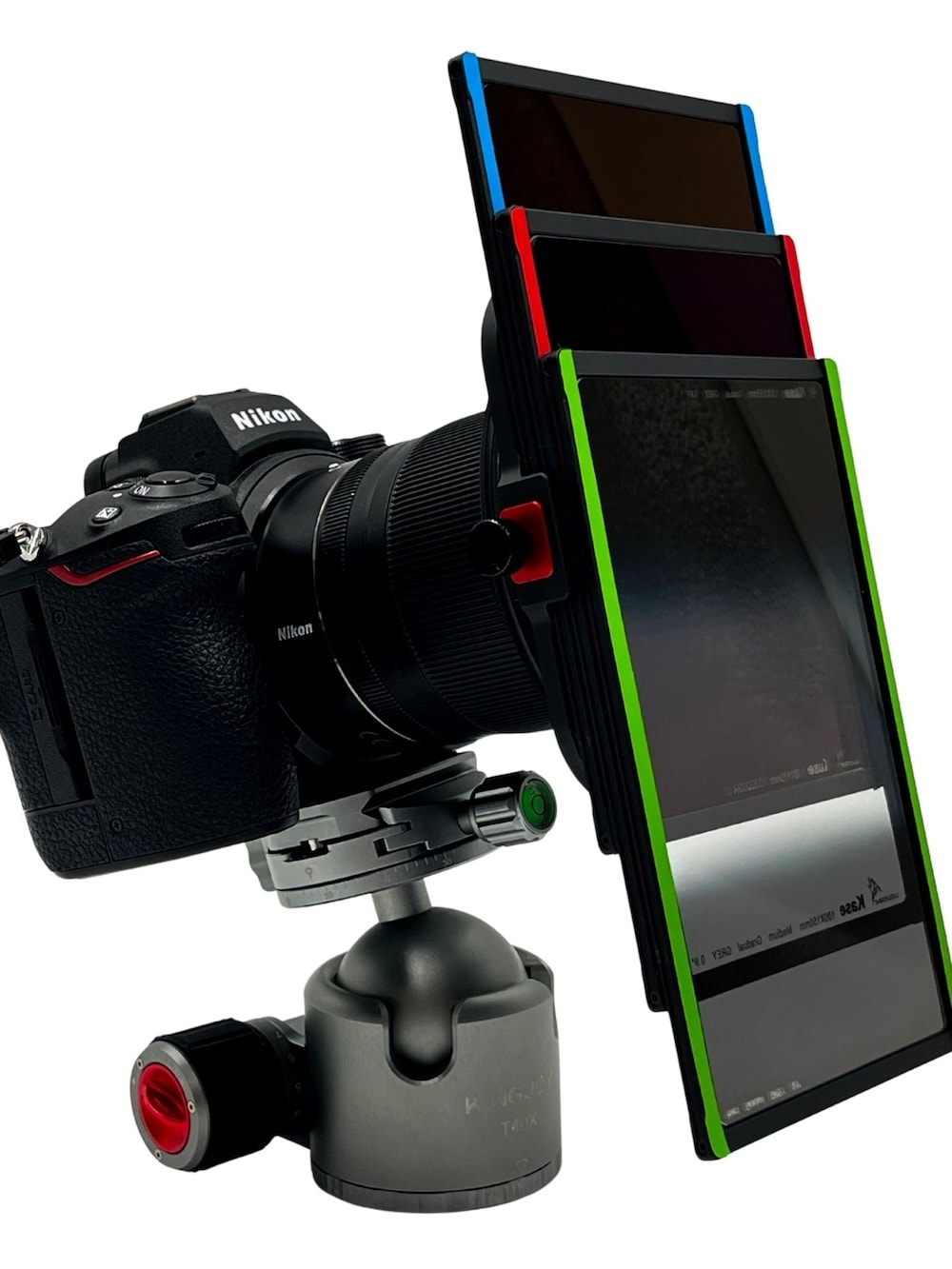
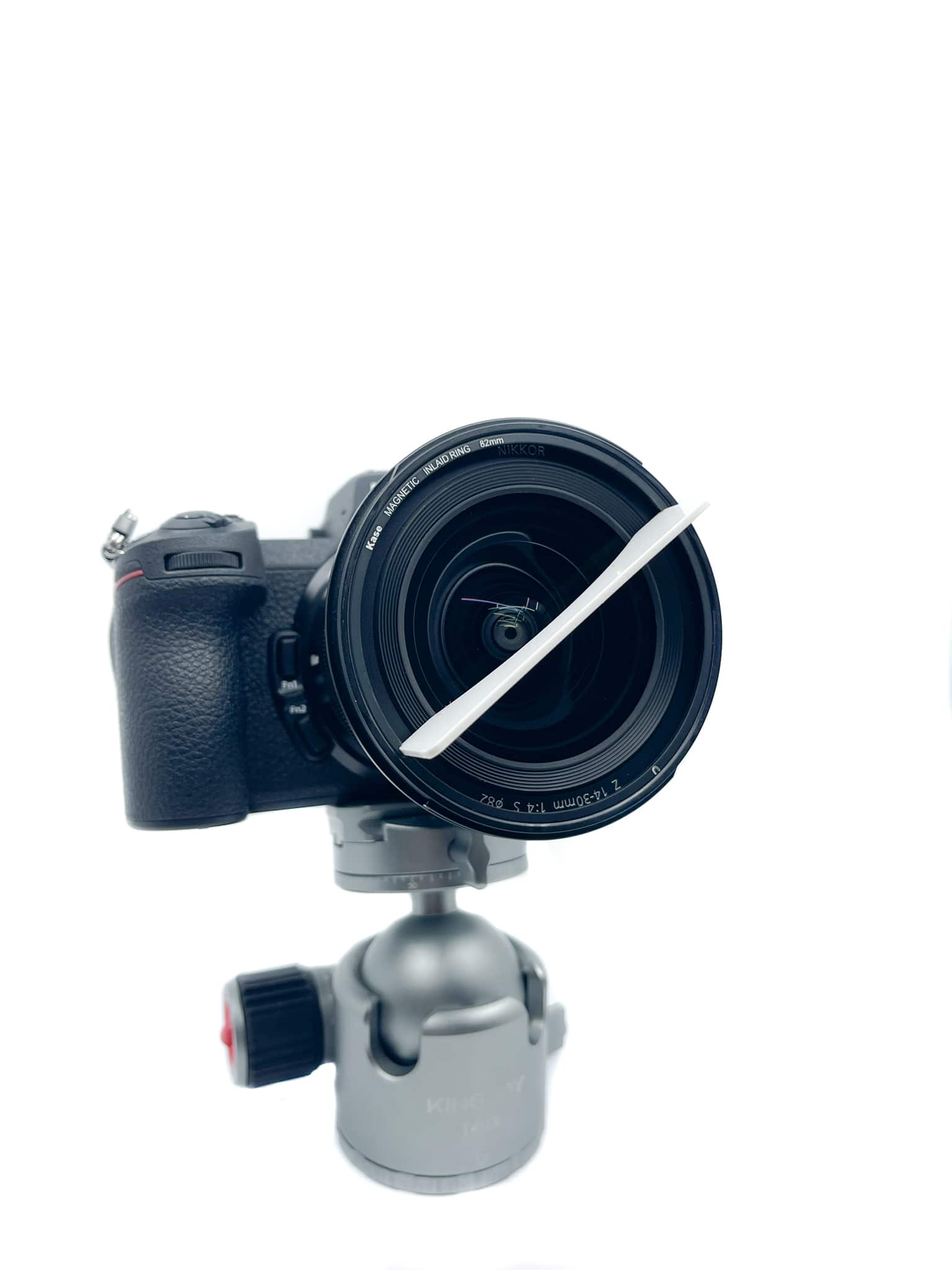
Using a polarizing filter is very simple and intuitive. First you attach the filter directly to the front lens or to the adapter ring of the filter holder. Then the filter can be rotated directly on the camera lens or, if you are using one of our filter holders, using the corresponding wheel on the holder. You can see how the effect changes depending on the rotation both in the live view and when looking through the viewfinder. Once you have set the effect that you like best, you can use it directly. If you use our K9 filter holder, you can also install up to 3 SLIM rectangular filters, such as an ND filter for long exposures, together with a GND filter to compensate for the exposure of the sky.
When is it best to use polarizing filters in photography?
CPL filters are mainly used in photography to minimize or prevent reflections and glare on non-metallic surfaces and objects in order to focus more on the subject itself and make the colors appear more vibrant, especially when photographing landscapes and architecture. Minimizing reflections is also often used when photographing products. This is because there is still no image editing program that can imitate the function of a polarizing filter.
As already mentioned, a polarizing filter also increases the contrasts & colors by filtering out complementary polarized light, for example the reflected blue of the sky on the green of grass and leaves. This makes the colors of the object in focus appear much richer. A polarizing filter also emphasizes the contrast between the blue of the sky and the white of the clouds, for example. By rotating the polarizing filter, it shows its effect by filtering the light waves. The result of this process is then directly visible in the camera's viewfinder. The colors appear more intense, haze and reflections are reduced and the sky is given a clearer structure, as the clouds stand out more clearly against the blue of the sky. Water surfaces can also be photographed clearly and almost completely transparent.
Read more on when and how to use a CPL filter
What effects can be achieved using a polarizing filter?
- A clear and almost dramatic drawing of the sky
- Intensification of colors & contrasts
- Reduction or complete avoidance of reflections and glare on non-metallic surfaces (water surfaces, windows, etc.)
- General filtering of polarized light
When are these effects of the polarization filter useful?
- When photographing products (reducing reflections on surfaces such as wood, plastic)
- Architectural photography (avoiding reflections on windows)
- Landscape photography (transparent water, more intense colors and cloud detail, more clearly recognizable structures & contrasts)
How do I use a polarization filter correctly?
First, the filter is screwed directly onto the camera lens or inserted into one of our filter holders. The effect of the polarizing filter is then achieved by rotating the filter. Turning it counterclockwise increases the effect and clockwise reduces it (sometimes the other way round). Our polarizing filters are infinitely variable and can therefore be set exactly as desired.
Sometimes the images appear a little darker with a polarization filter. Instead of increasing the ISO value of the camera, we recommend shooting in RAW format. This allows you to brighten the image when importing it (e.g. into Photoshop) and readjust the parameters.
What is the difference between circular polarization filters and linear filters?
While circular polarization filters can be used on both SLR cameras and other cameras, linear polarization filters are not suitable for SLR cameras, as the metering technology can result in incorrect images. With CPL filters, filtering only works in one direction, whereas linear polarizing filters can be used in both directions.
| Circular polarizing filter | Linear polarizing filter |
|
|
You may also be interested in
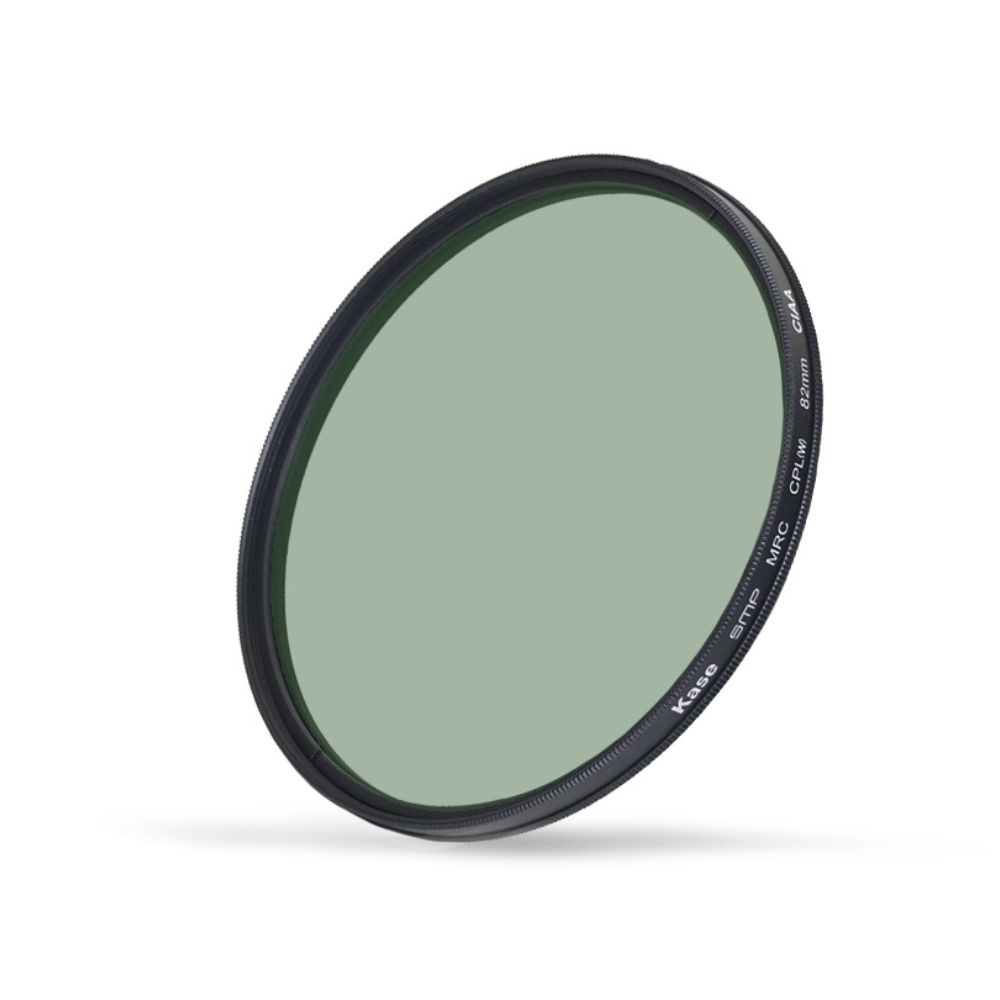
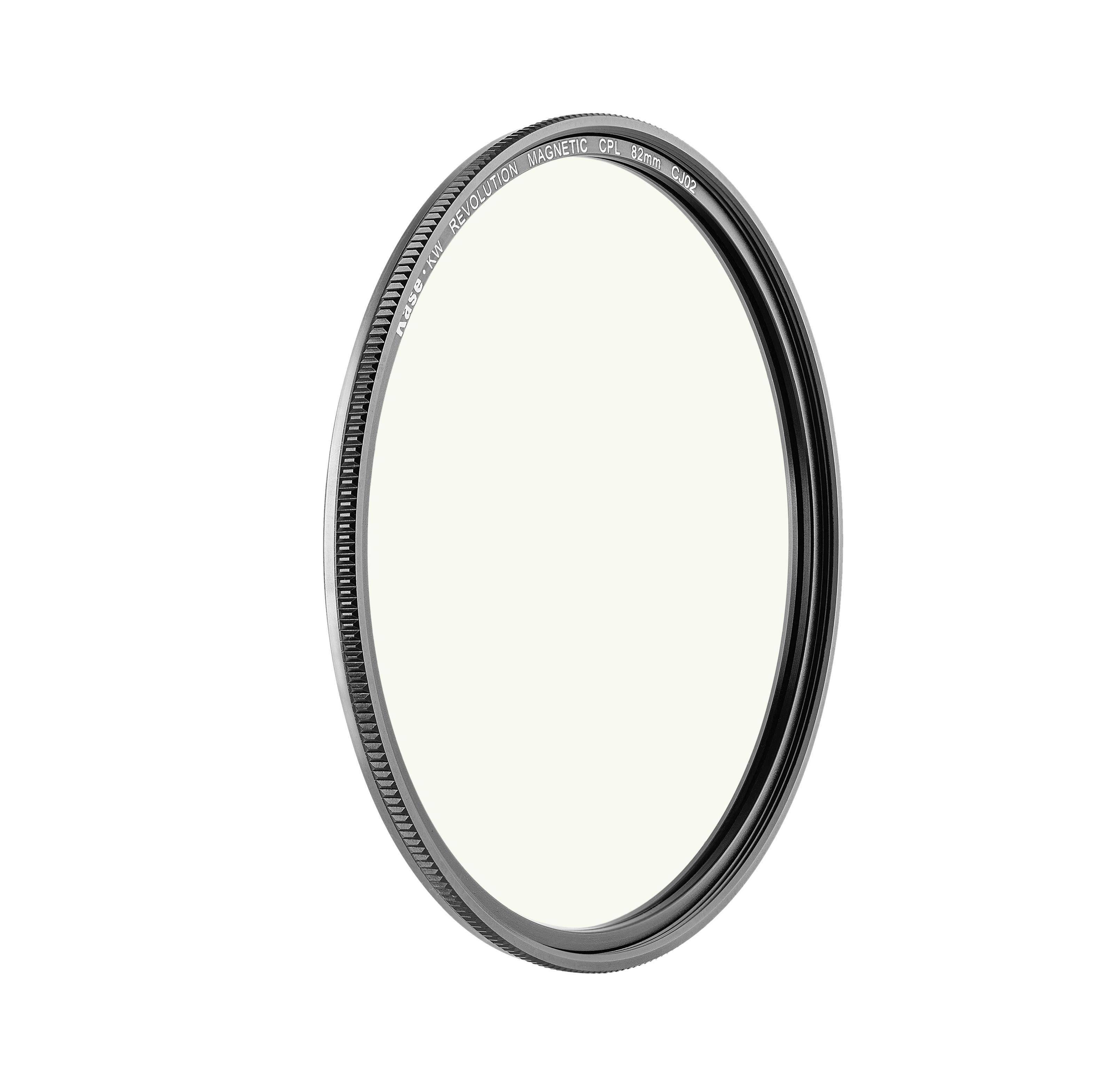
Our circular polarisation filters in the CPL II series are made from high-precision B270 optical glass and have a special coating that makes the filter more scratch-resistant and water and oil-repellent. Photographers often use polarising filters to minimise light reflections or intensify colours. Attention: This polarising filter is not magnetic. If you are looking for a magnetic polarising filter, please refer to the magnetic round filters category or the CPLs category.
Not In Stock
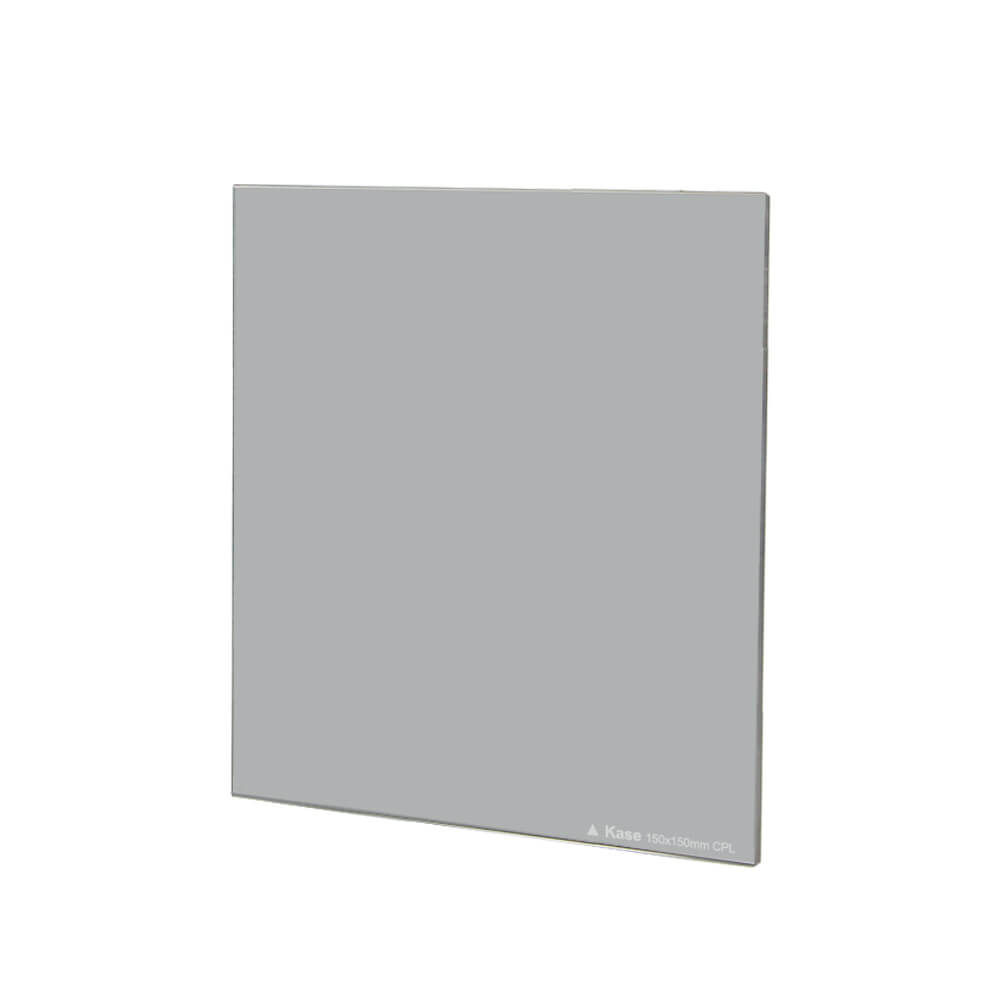
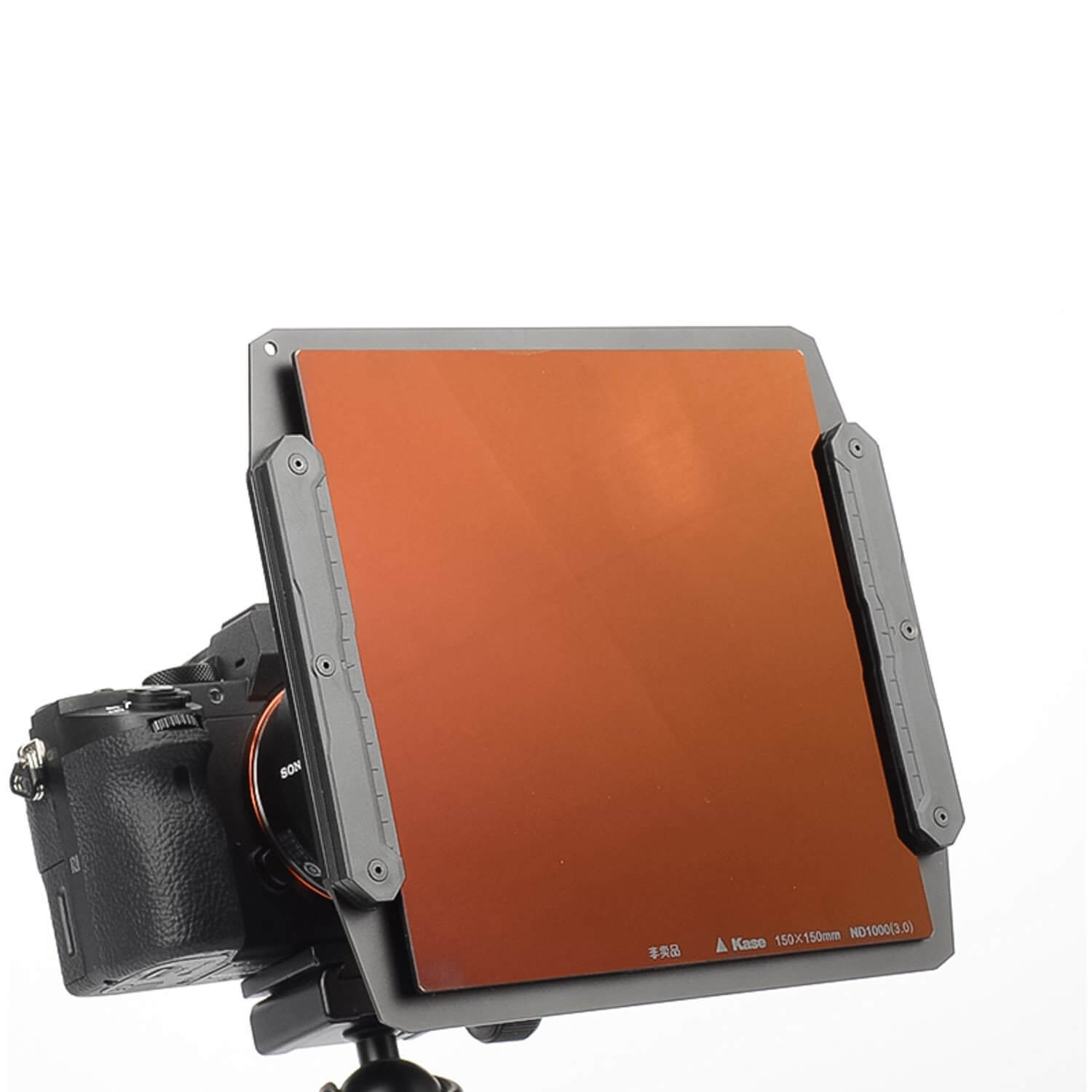
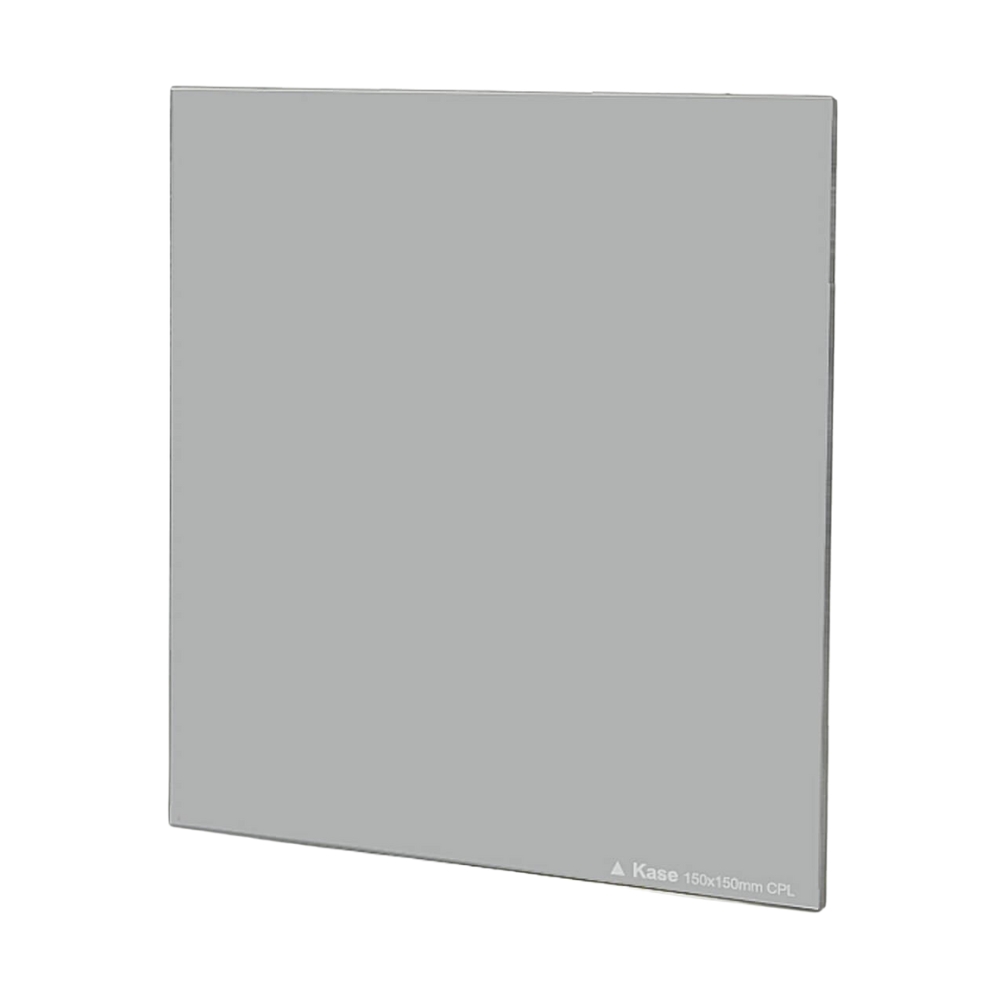
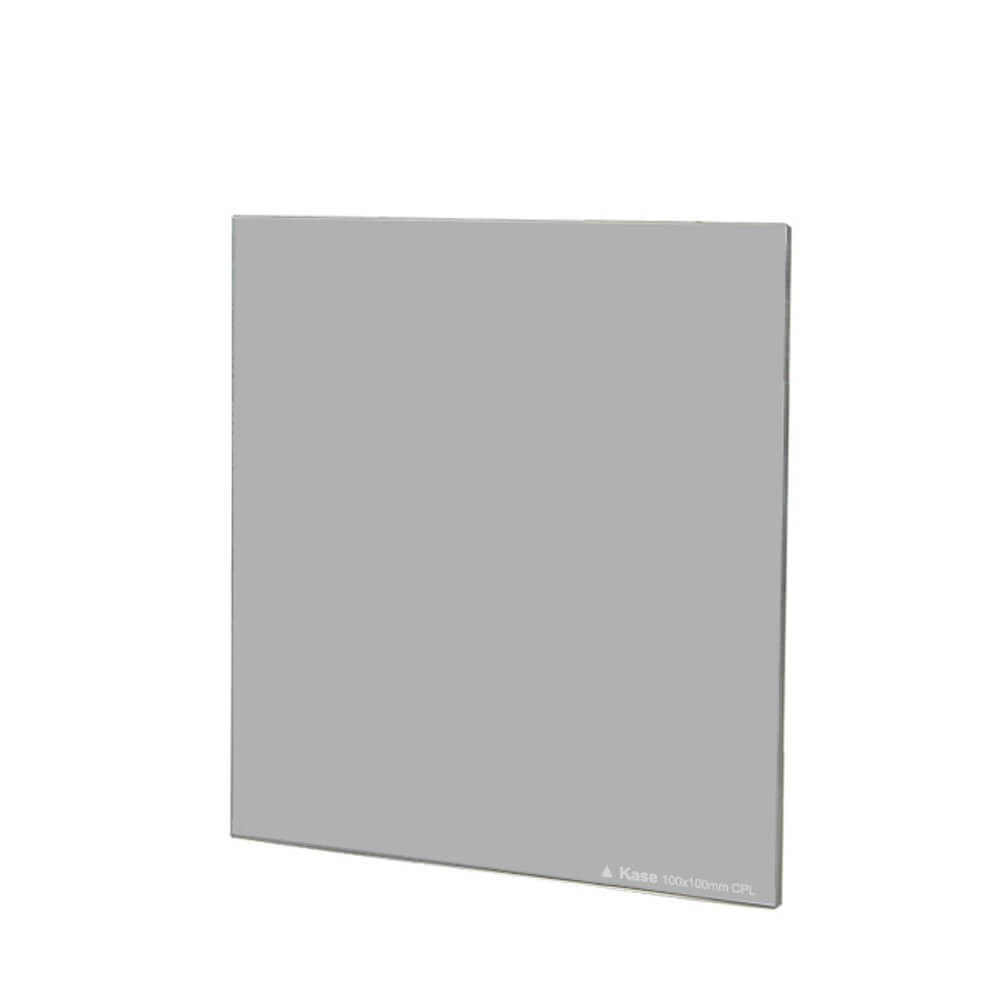
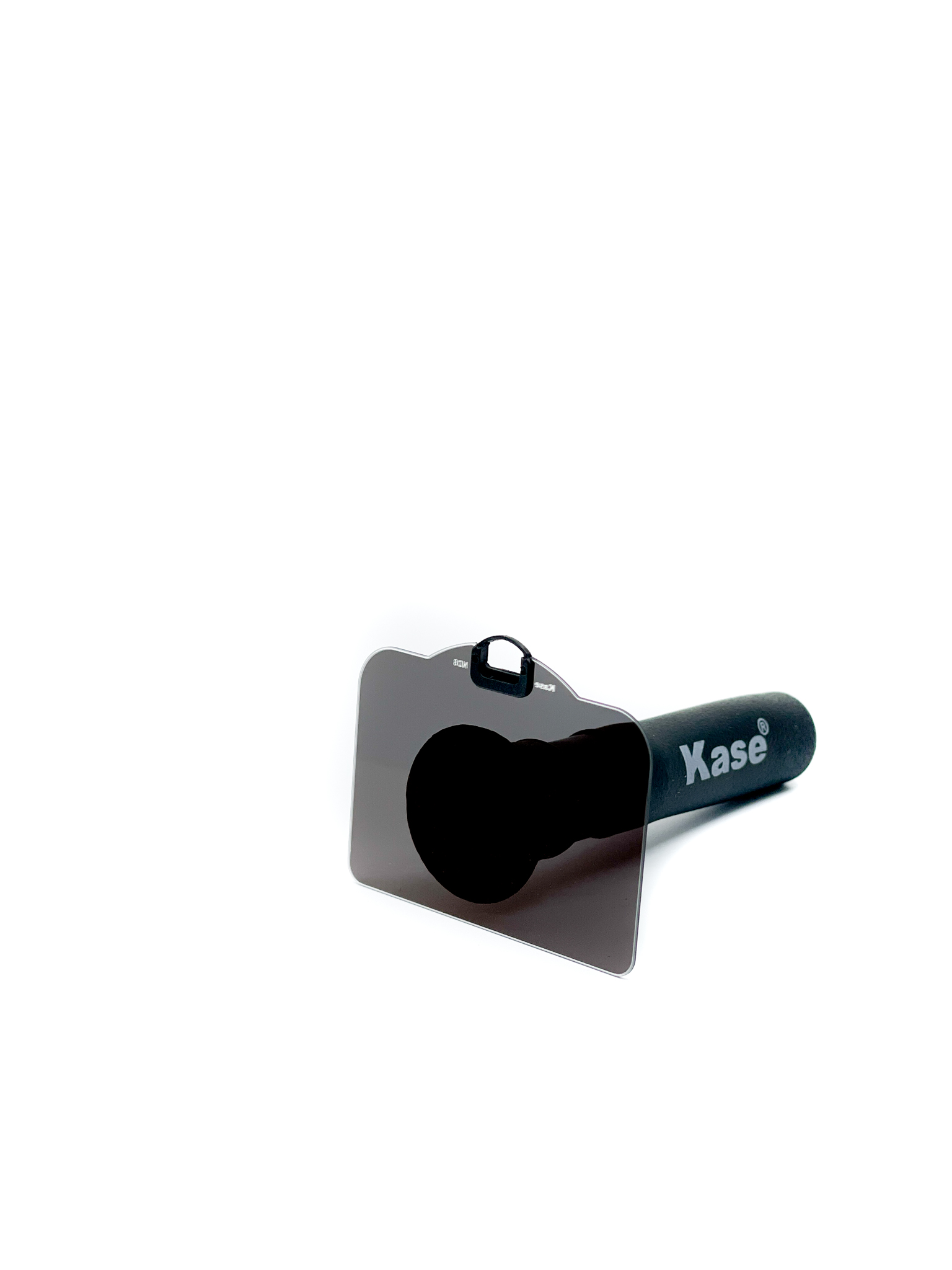
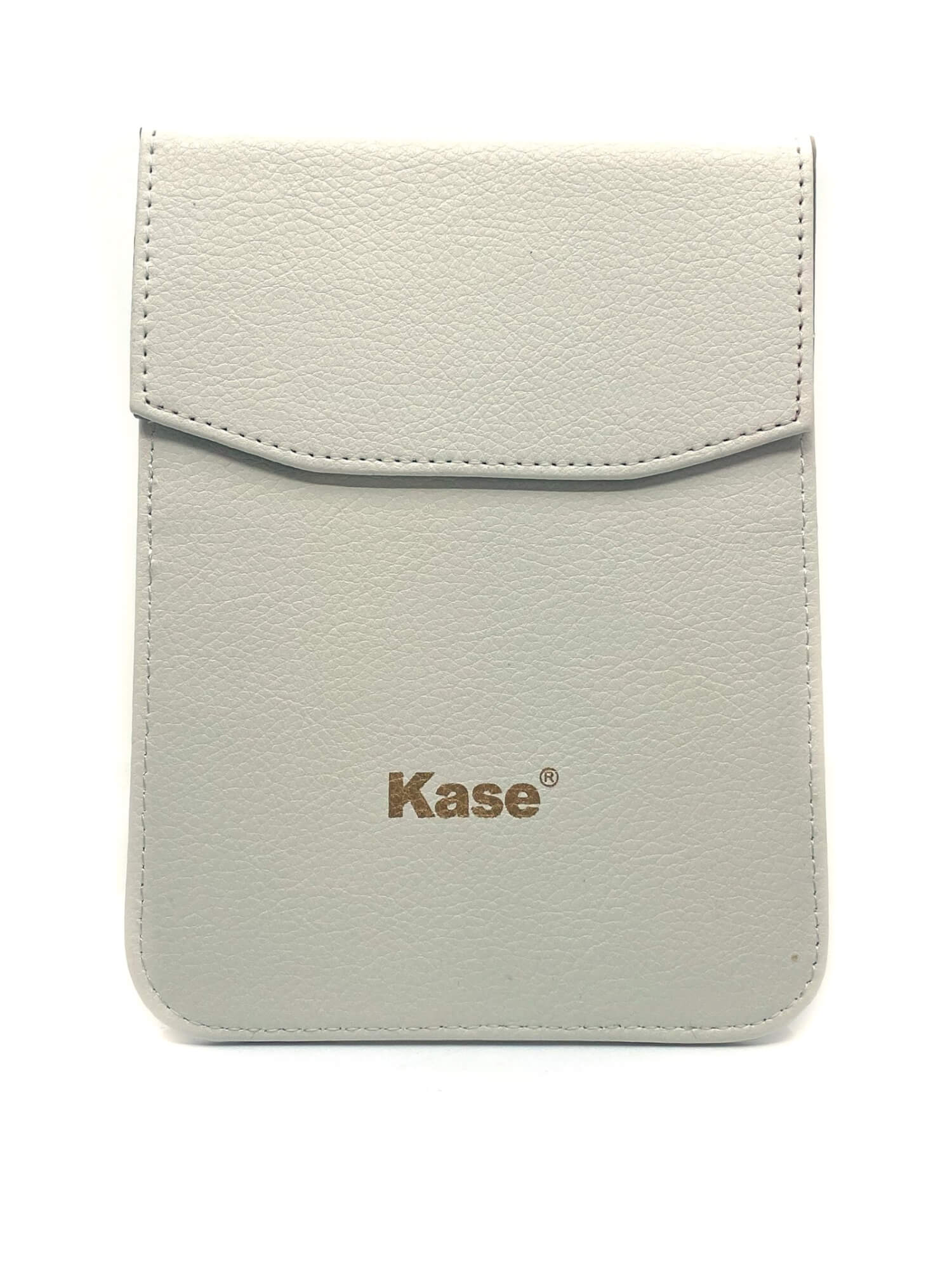
A CPL (circular polarization filter or polar filter for short) is a very useful filter that removes reflections and reflections from water and other reflective surfaces. The Kases rectangular polarizing filter helps to increase color saturation so that they appear more powerful. Please note, this filter is part of our SkyEye series and does not have the impact-resistant coating of the Wolverine filters. However, the excellent optical properties of the B270 glass remain. Scope of delivery: 1x 150mm polarizing filter 1x storage bag
Preorder possible
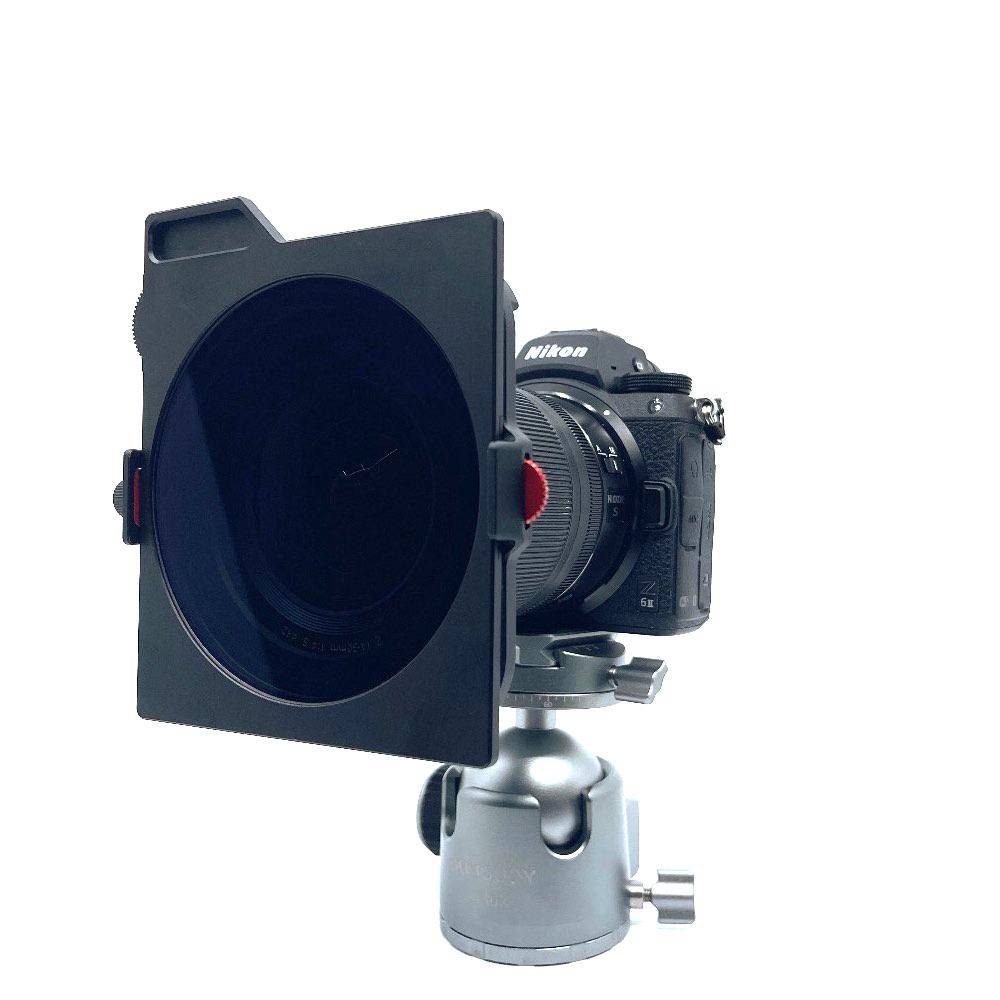
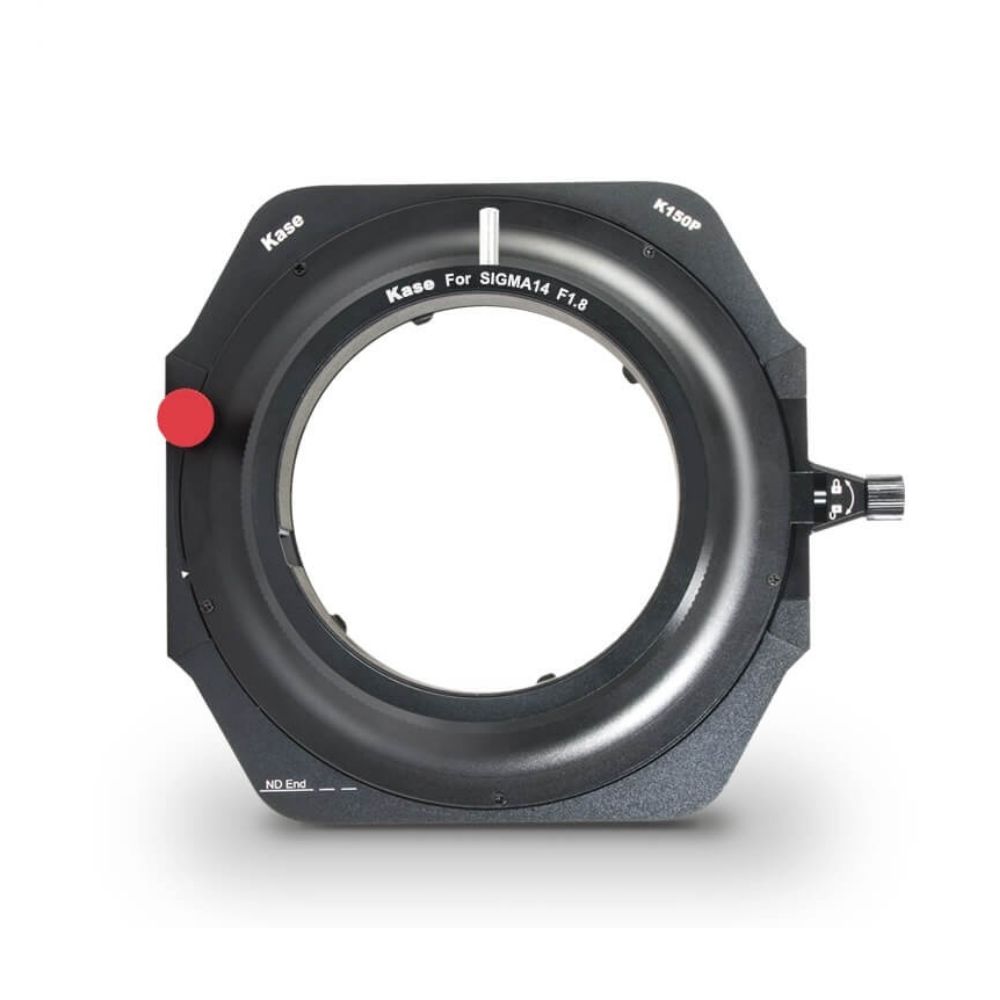
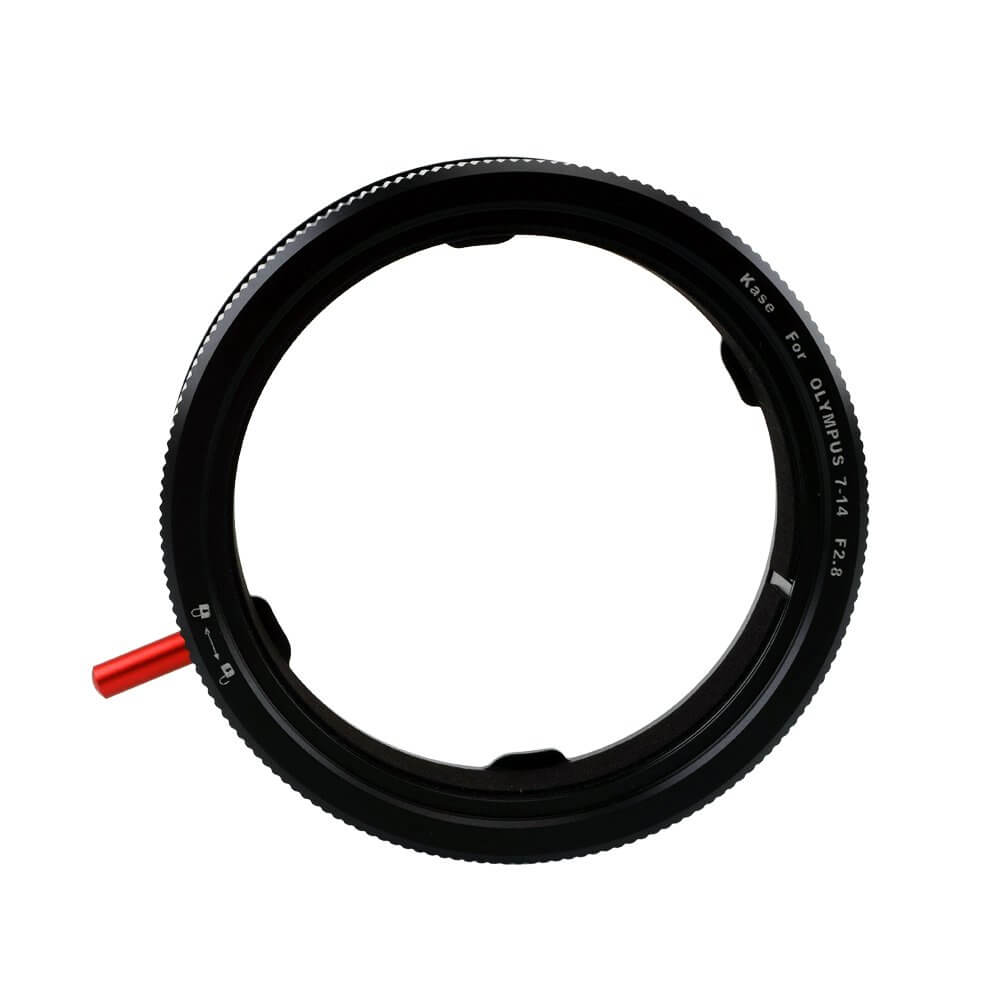
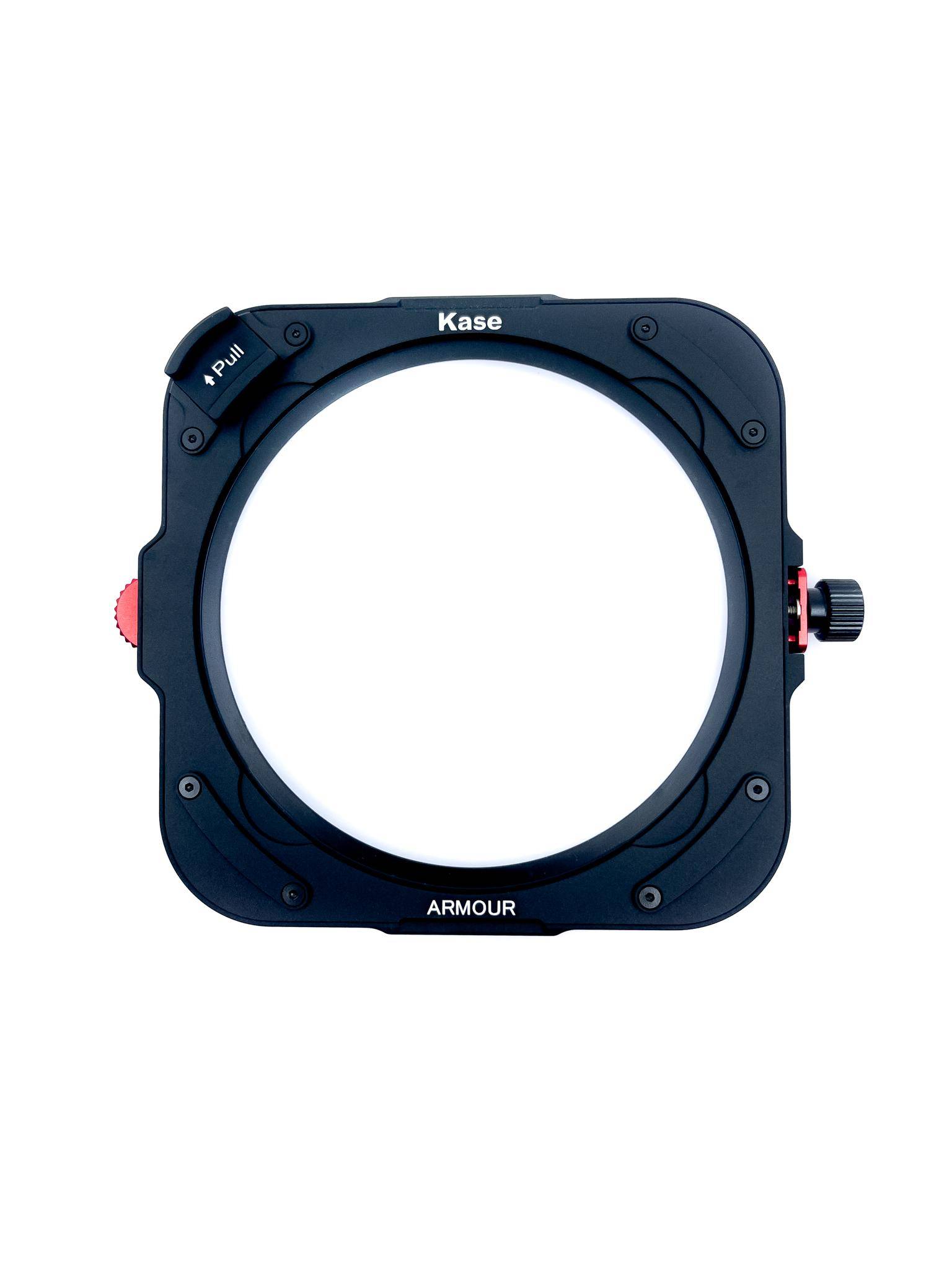
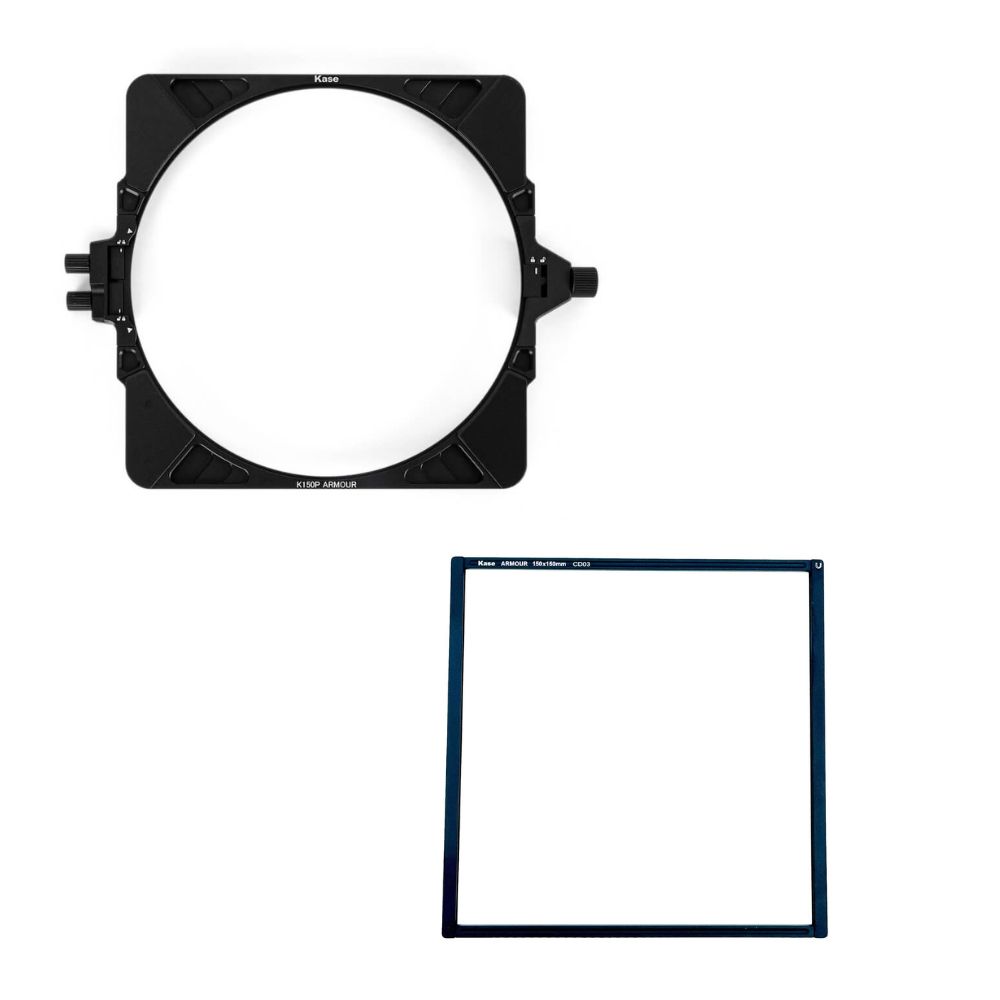
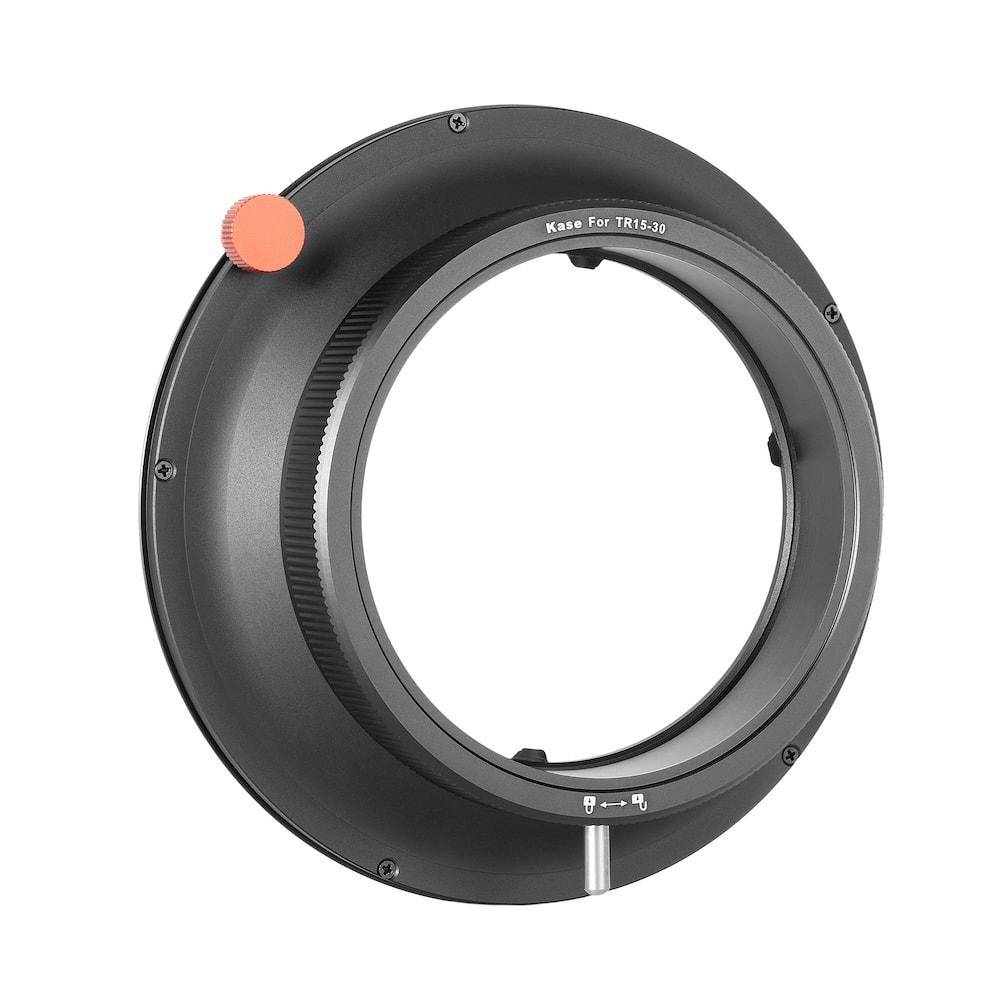
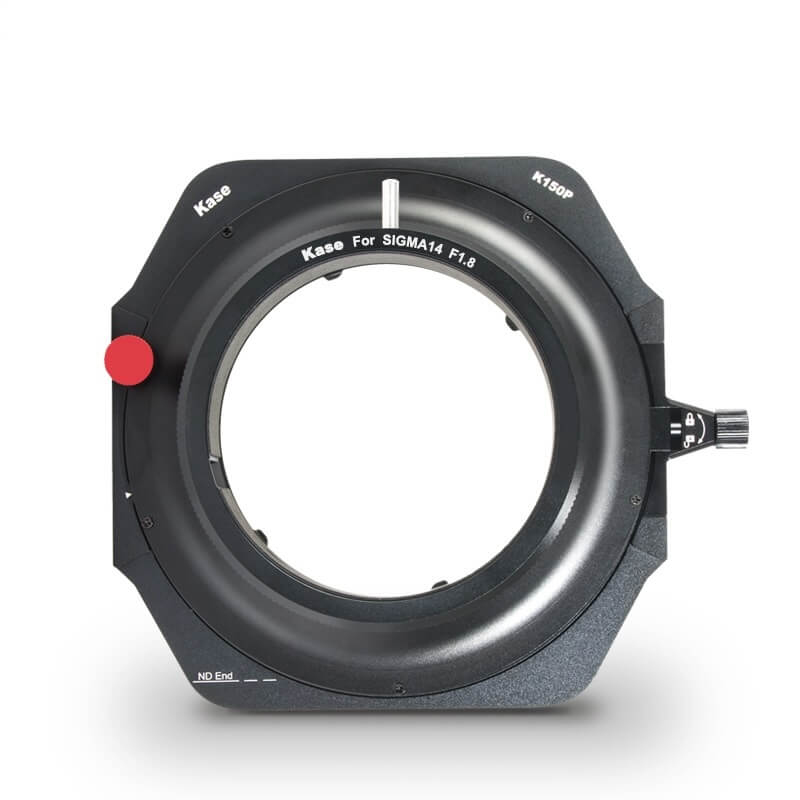
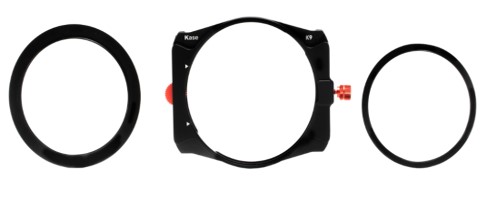
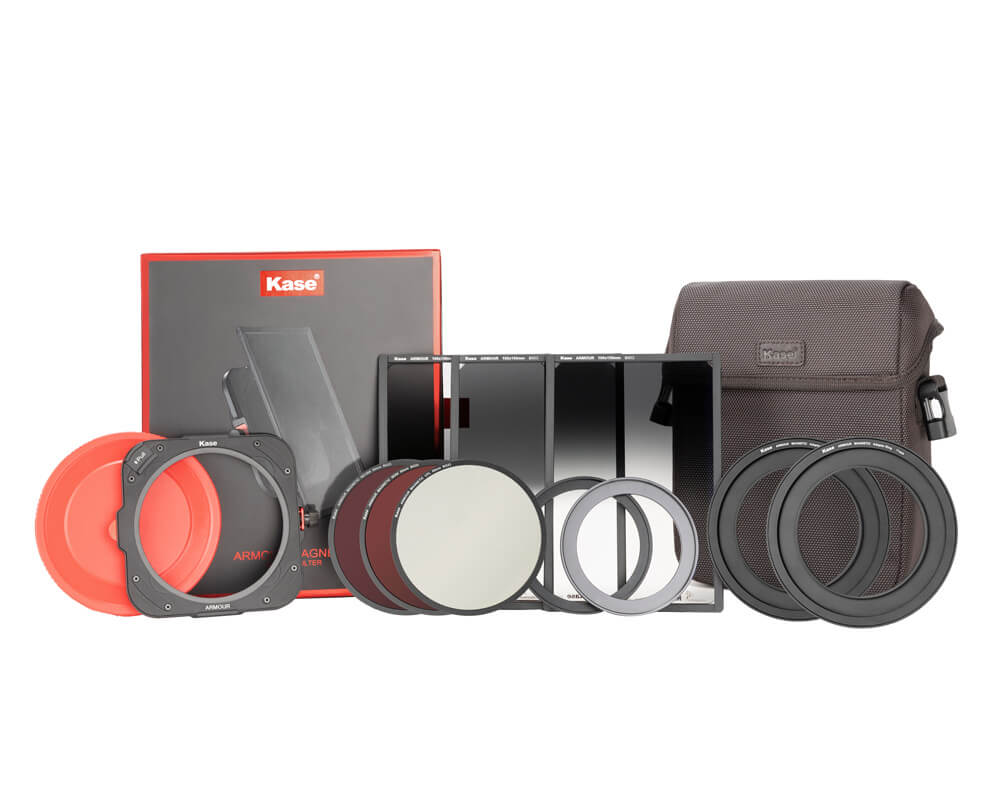
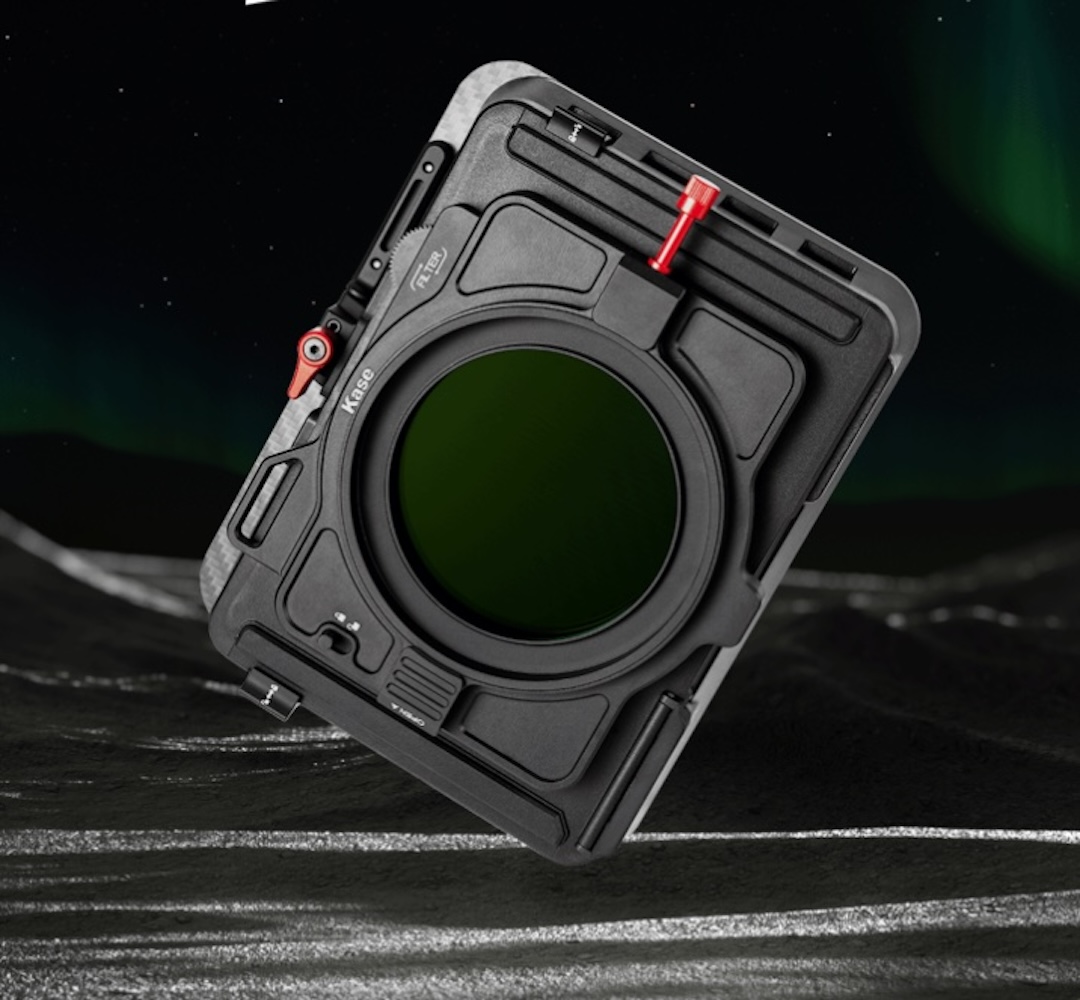
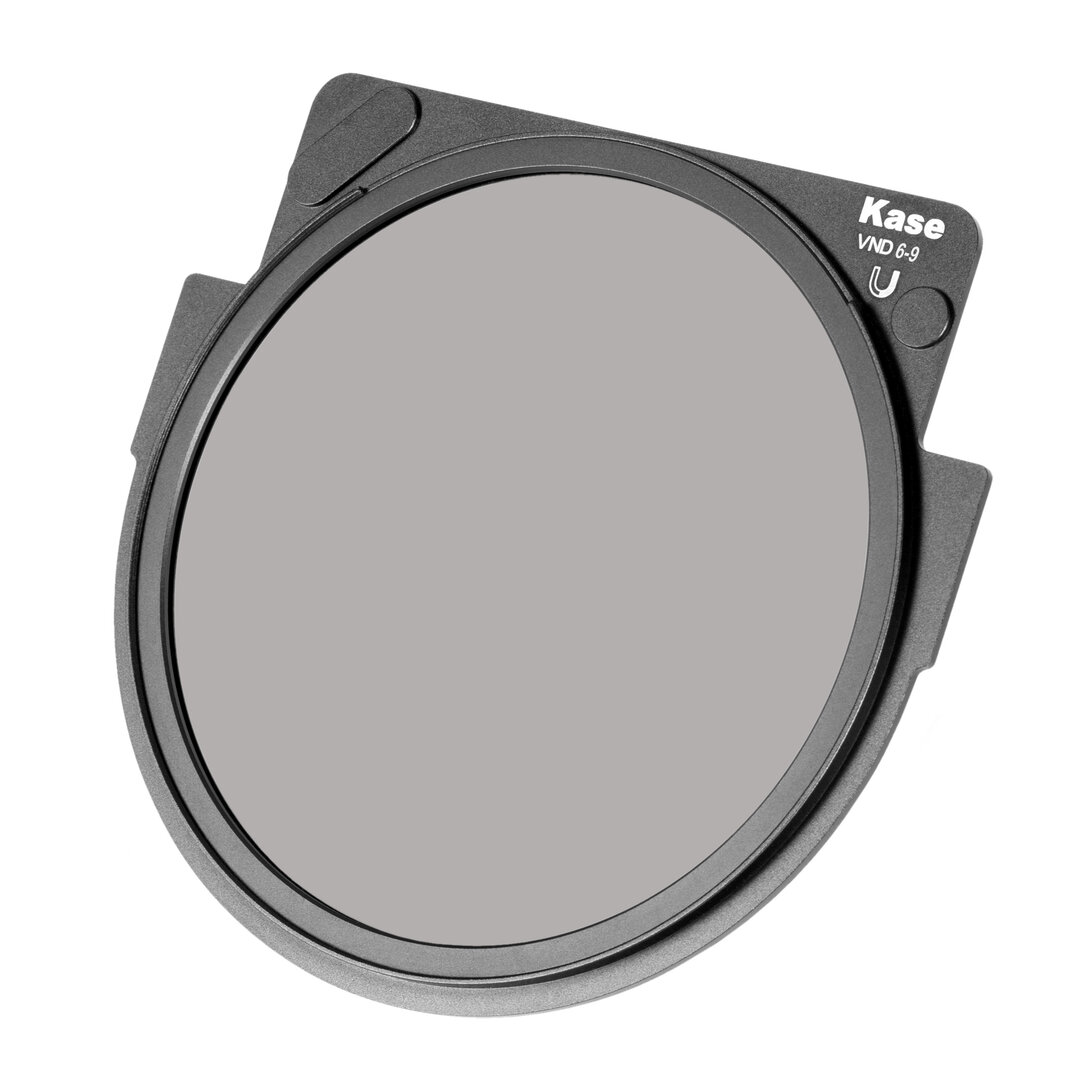
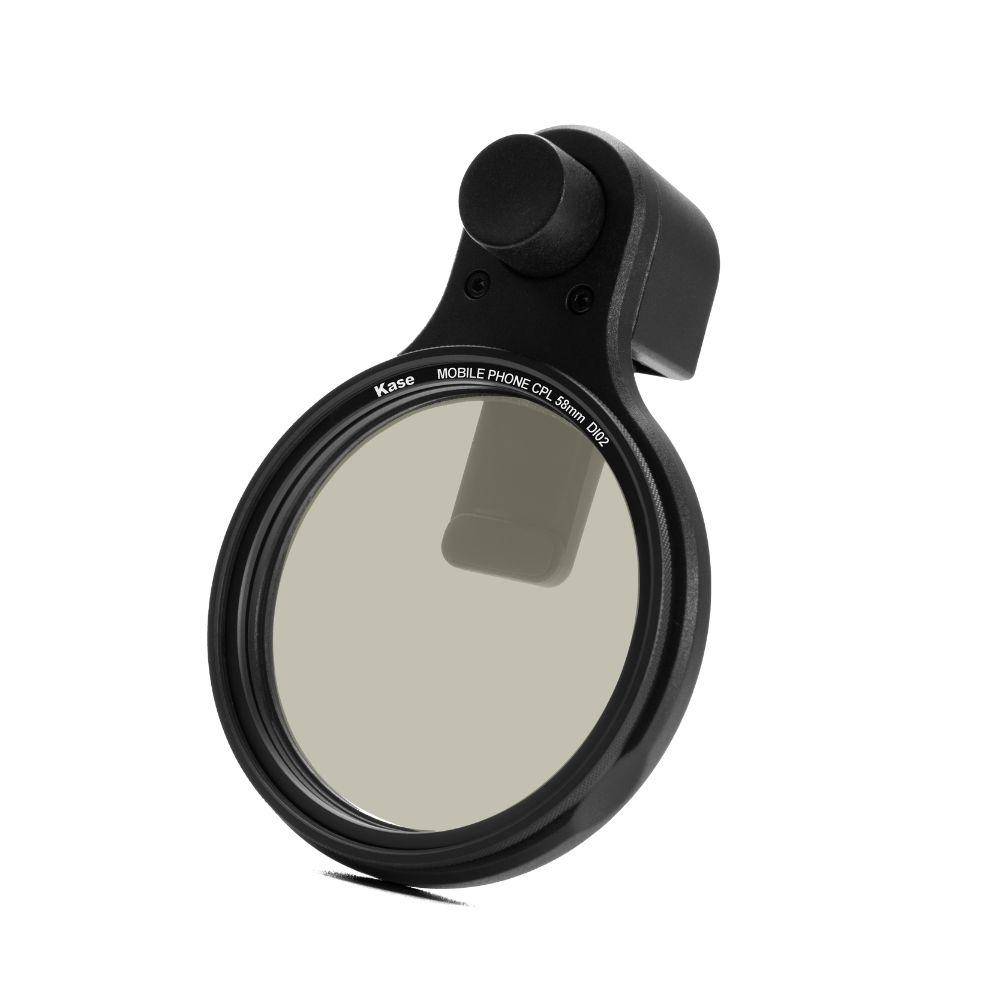
The special thing about our rotating insert polarizing filter with rotating function is its mechanism, which allows the polarizing filter to be rotated independently of the filter holder.This allows graduated filters or other ND filters to be placed at the front are placed on the filter holder via a magnetic frame, ideally combined with the freely rotating polarizing filter. In which cases is this needed? Particularly wide-angle lenses such as the Sony 14mm F1.8, Laowa 15mm and the Olympus 7-14mm have a very strong curvature of the lens which usually. makes it impossible to use a 100mm filter holder. To get around this, we have developed special adapters that are used on our ARMOR 100mm filter holder. So these ultra wide angle lenses can be used on a 100mm filter holder. Since the magnetic 95mm polarizing filter of the ARMOR filter holder can no longer be used in this case, you can regain some flexibility with this insertable polarizing filter with rotating polarizing filter. Scope of delivery: 1x ARMOR insert polarizing filter Note: This polarizing filter is not as shockproof as the Wolverine series. This is because the glass of a polarizing filter (also from other manufacturers) cannot be thermally hardened accordingly.
In Stock
How do you clean your polarizing filters?
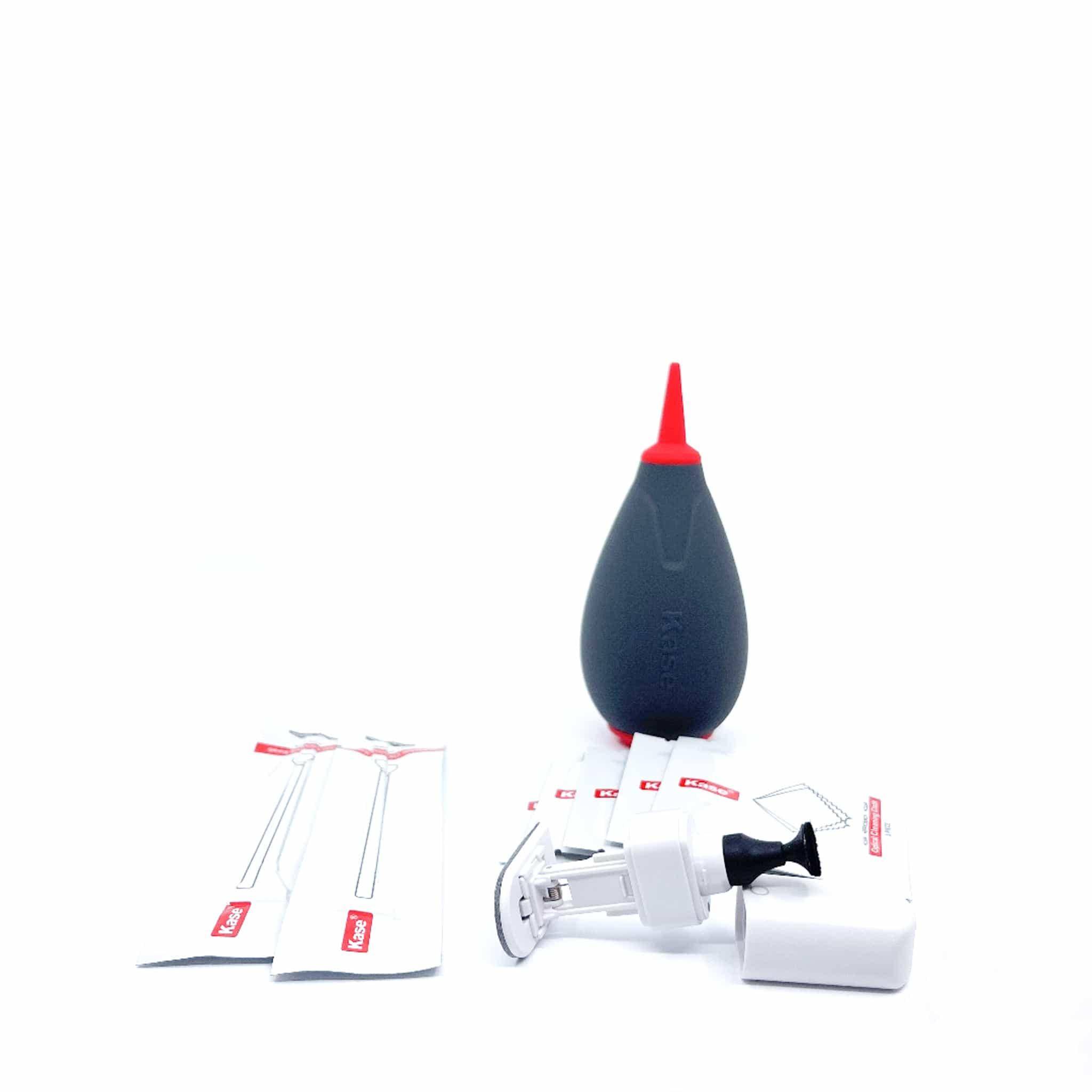
The best way to clean CPL filters is to follow the steps below. This preserves the quality of the filter and prevents it from becoming scratched:
- First you should remove the coarse dust with a small blower or similar.
- Then you can clean the polarizing filter with a microfibre cloth.
- For persistent dirt, you can use a so-called lens cleaner solution or distilled water for cleaning.
It is important that no other chemicals are used when cleaning the filters, as these could damage the coating.
Can I use a polarization filter with different lenses?
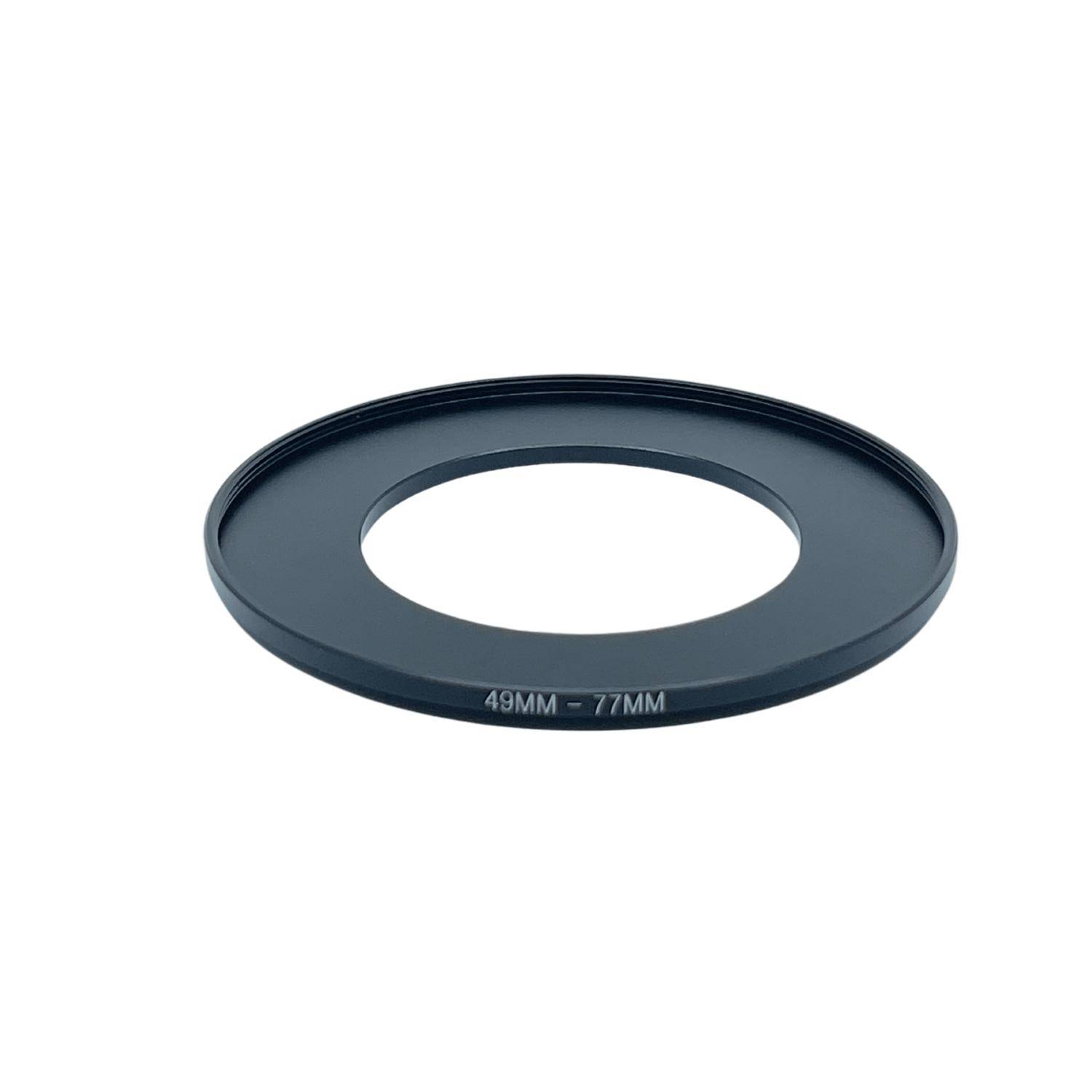
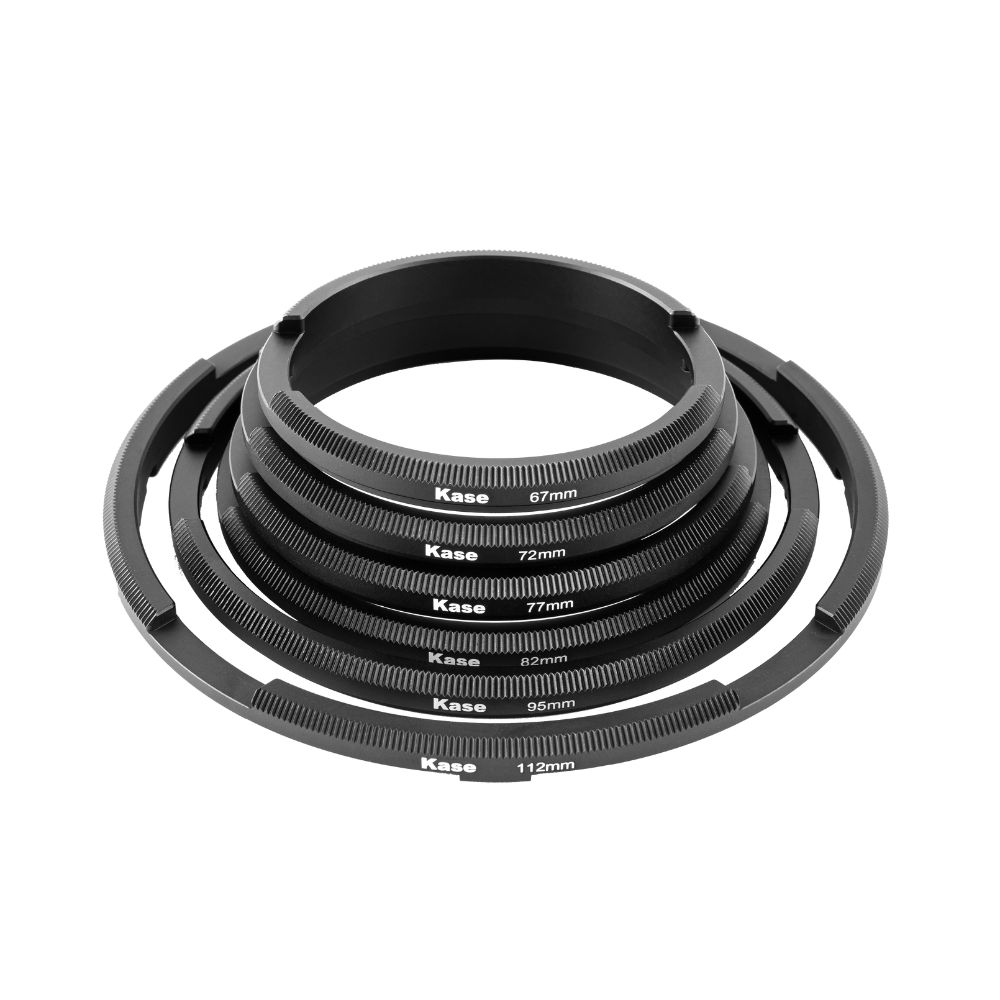
Yes, it is of course possible to use a CPL filter with different lenses. You can work with a step-up ring. If you plan to do this, you should buy the polarizer for the lens with the largest filter diameter. The step-up rings can then be used to combine the different filter thread diameters.
What is polarized light?
Light radiates through the atmosphere in the form of waves, and these waves oscillate in a certain direction. The direction of oscillation of the light waves is determined by the so-called polarization of the light. Put simply, this means that a light wave can oscillate from left to right, which is then referred to as "horizontal". However, if the light wave oscillates from top to bottom, this is called "vertical". Of course, there are also all intermediate stages between horizontal and vertical oscillation directions, as light normally contains a relatively even mixture of all oscillation directions. This light is then referred to as "unpolarized", as it cannot be assigned to a single direction of vibration.
What can be considered successful landscape photography?
Like many things in life, a good landscape photo is a matter of opinion and is in the eye of the beholder. So here we can only tell you what makes a great landscape picture for us. Apart from that, however, most people consider a photo to be perfect if it meets the following requirements:
- The subject should be atmospheric!
- The picture should be emotional, i.e. make the viewer want to be there themselves.
- It should be sharp, i.e. show as much detail as possible.
- The picture should be vivid, i.e. show brilliant colors.
- It should be three-dimensional, meaning it should have a three-dimensional effect.
- The chosen motif should be personal, i.e. reflect what you have seen yourself.
If you pay attention to these points and try to implement them, landscape photography shots should be almost perfect.
In summary:
- A polarization filter significantly reduces reflections and deepens the colors of a scene. Rotating the CPL filter changes the polarization direction of the light and can therefore significantly change the effect of the shot.
- It also acts as a very light ND filter (blocks approximately 1-1.5 stops of light)
- Kase offers three types of polarizing filters. Firstly, screw-in filters, which can be attached directly to the lens. These are well suited for hand-held shots and can be rotated directly on the lens. The other type of CPL filter is also a round filter, which can be attached directly to the filter holder ring of the Kase filter system. The filter can then be rotated using an external wheel on the filter holder. We also offer rectangular polarization filters that can be inserted into the slots of the filter holders.