





.jpg?width=3000)
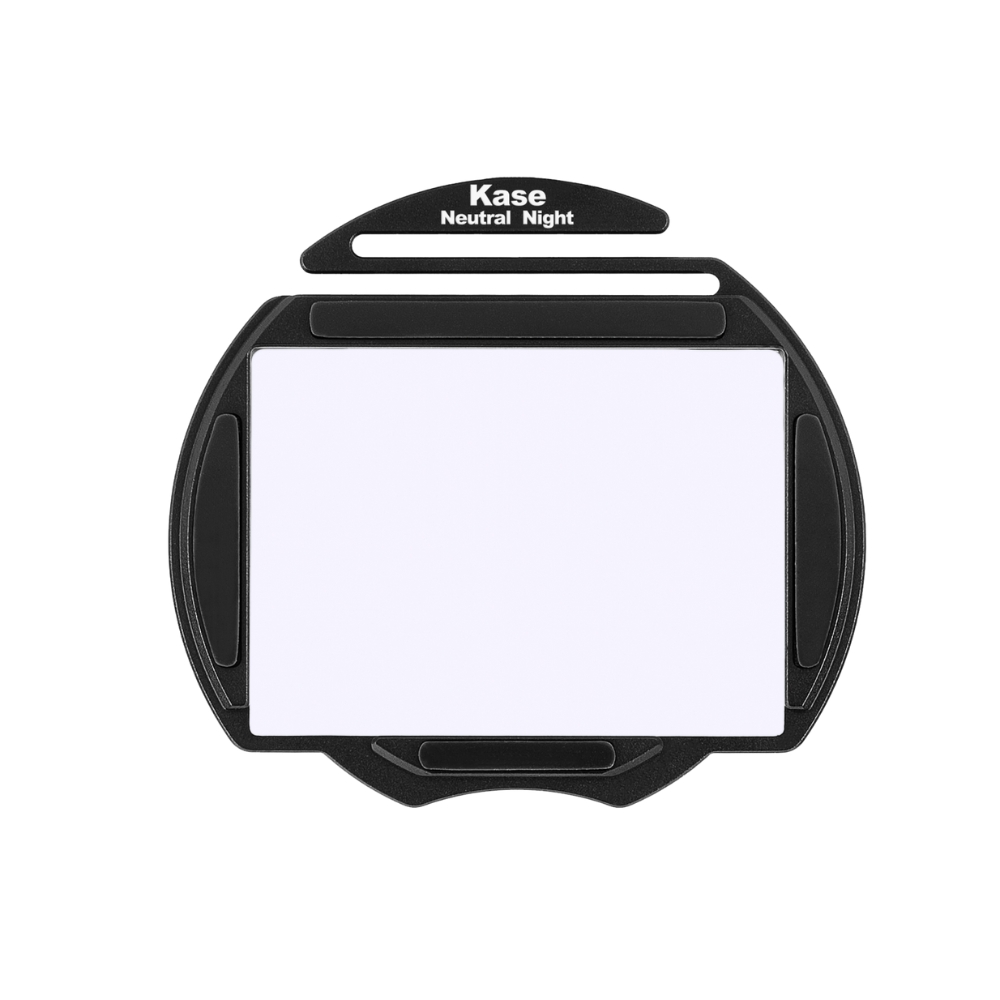


.jpg?width=3000)


.jpg?width=3000)



Asto Filter - The Secrets of the Galax
The Milky Way, double stars, planetary nebulae, .... The list of celestial objects is endless. Anyone with the right equipment is now able to take pictures of impressive astronomical objects. No wonder astrophotography is popular with both amateur and professional photographers. But anyone who has ever photographed stars or other celestial objects knows light pollution. Cloudy recordings, no contrasts and yellowish color casts. Even with a short exposure time, the sky appears bright. Light smog has a negative effect on the quality of the recordings and can take the fun out of night photography. With the Astro Filter, the joy of astrophotography comes back. This requires the right equipment and certain conditions.
What is astrophotography?
Astrophotography deals with astronomical objects such as the Milky Way, galaxies and elements of the solar system that cannot be seen with the human eye. Due to advances in technology, observations of the galaxies are also possible for laypeople.
What equipment do I need for astrophotography?
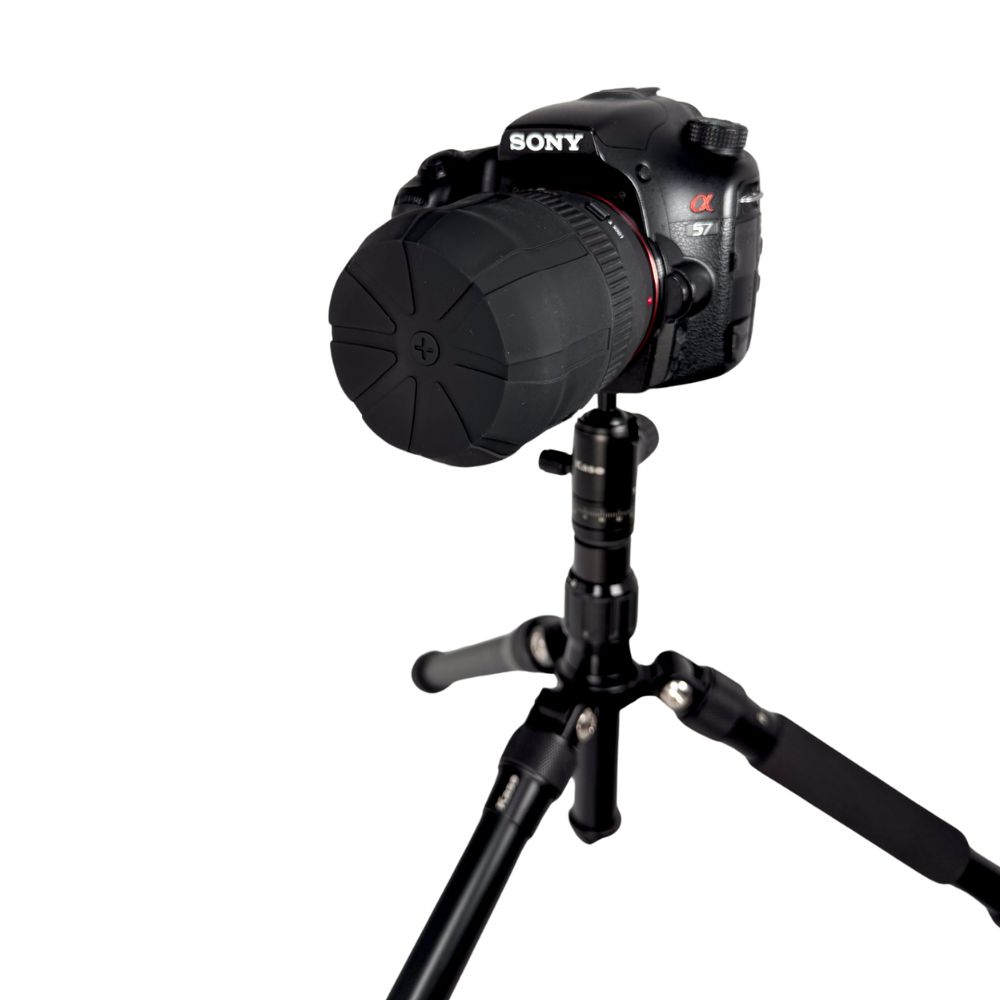
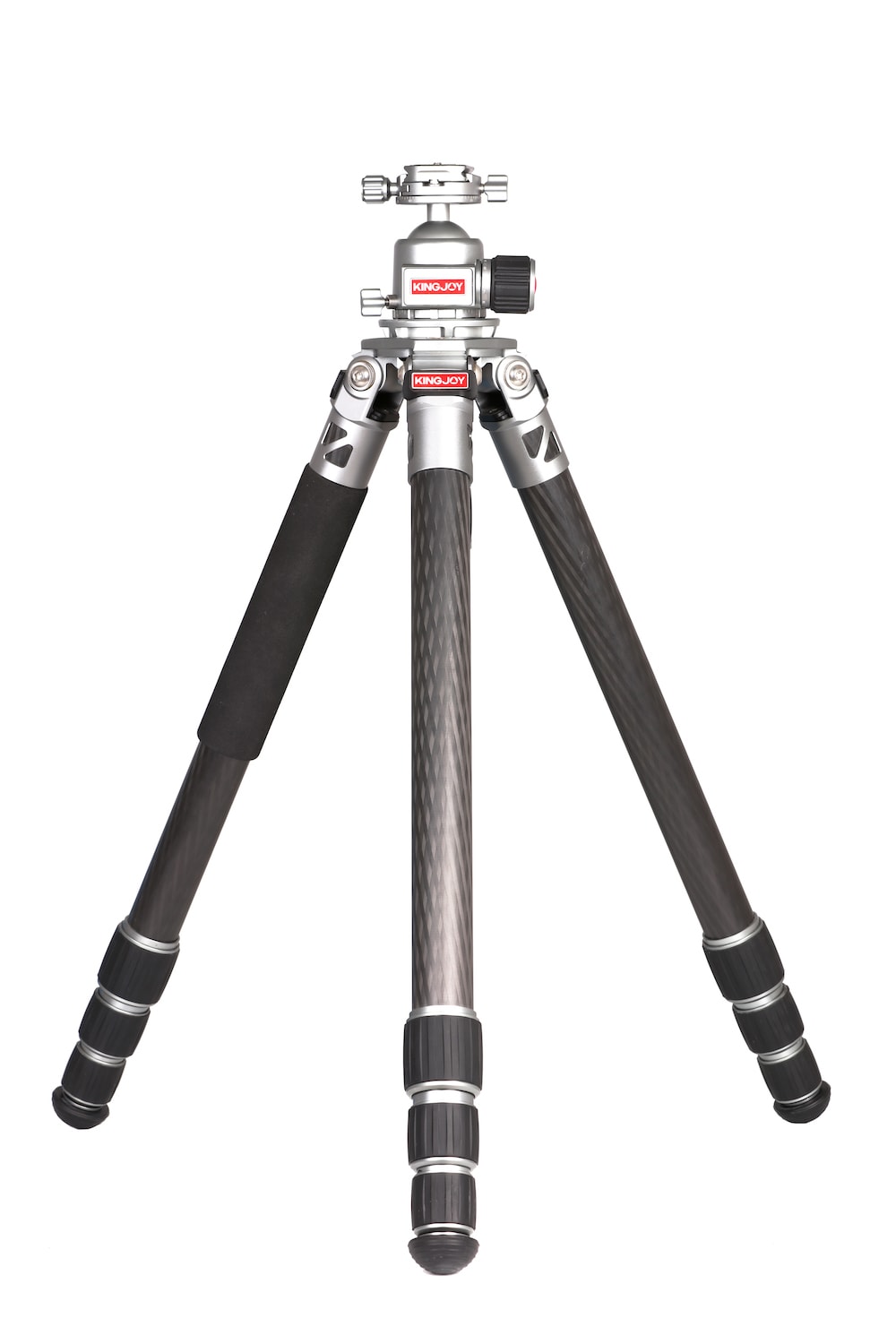
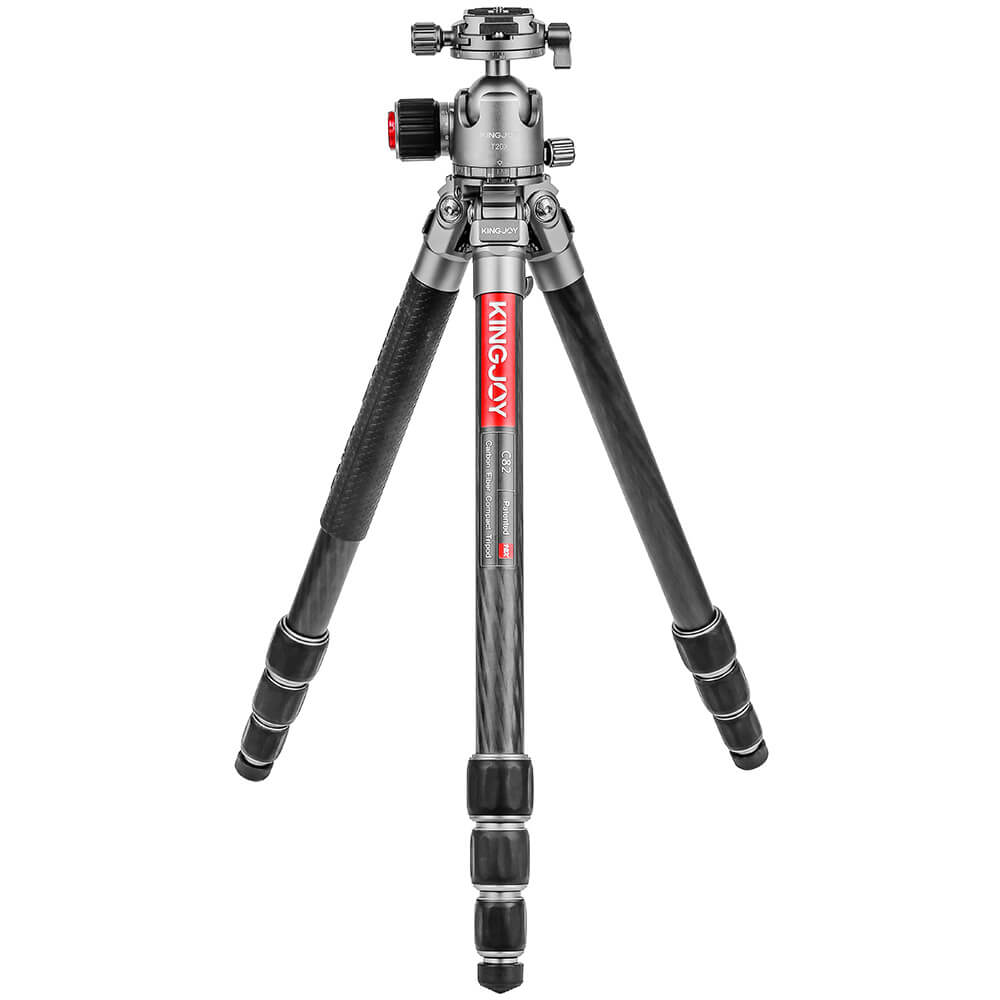
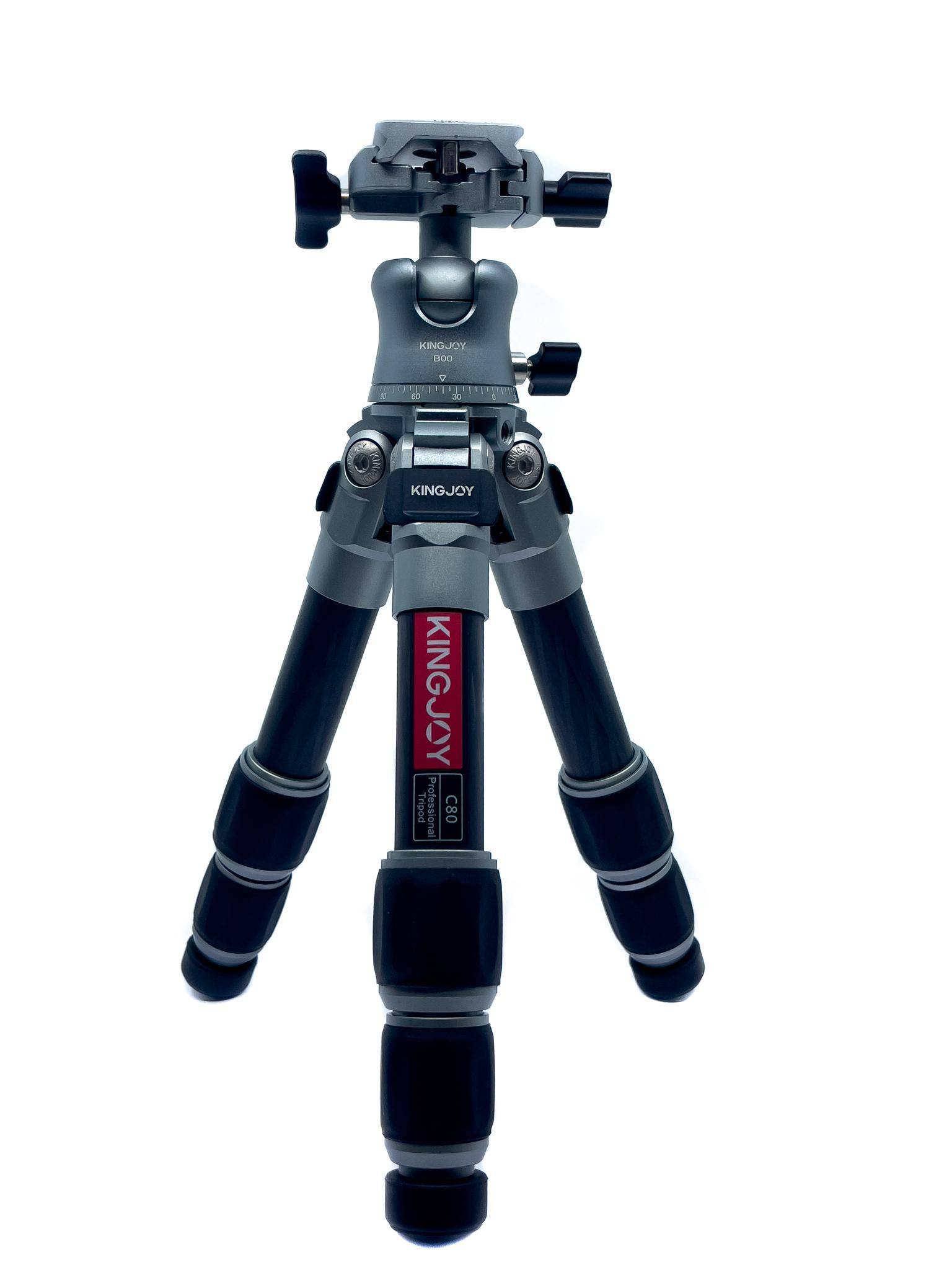
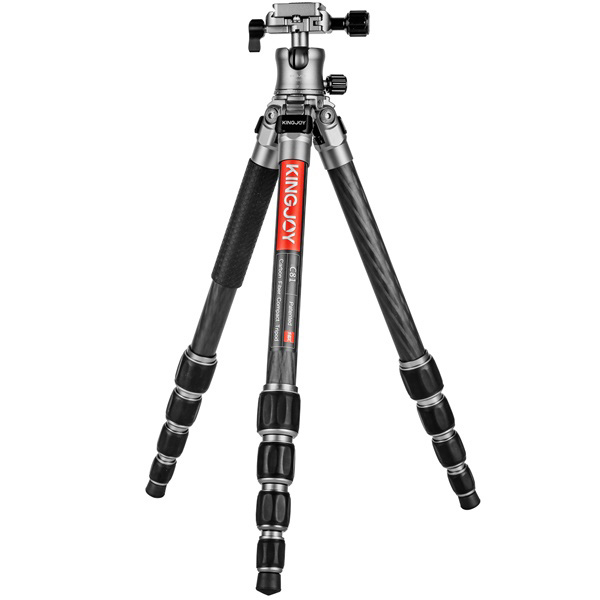
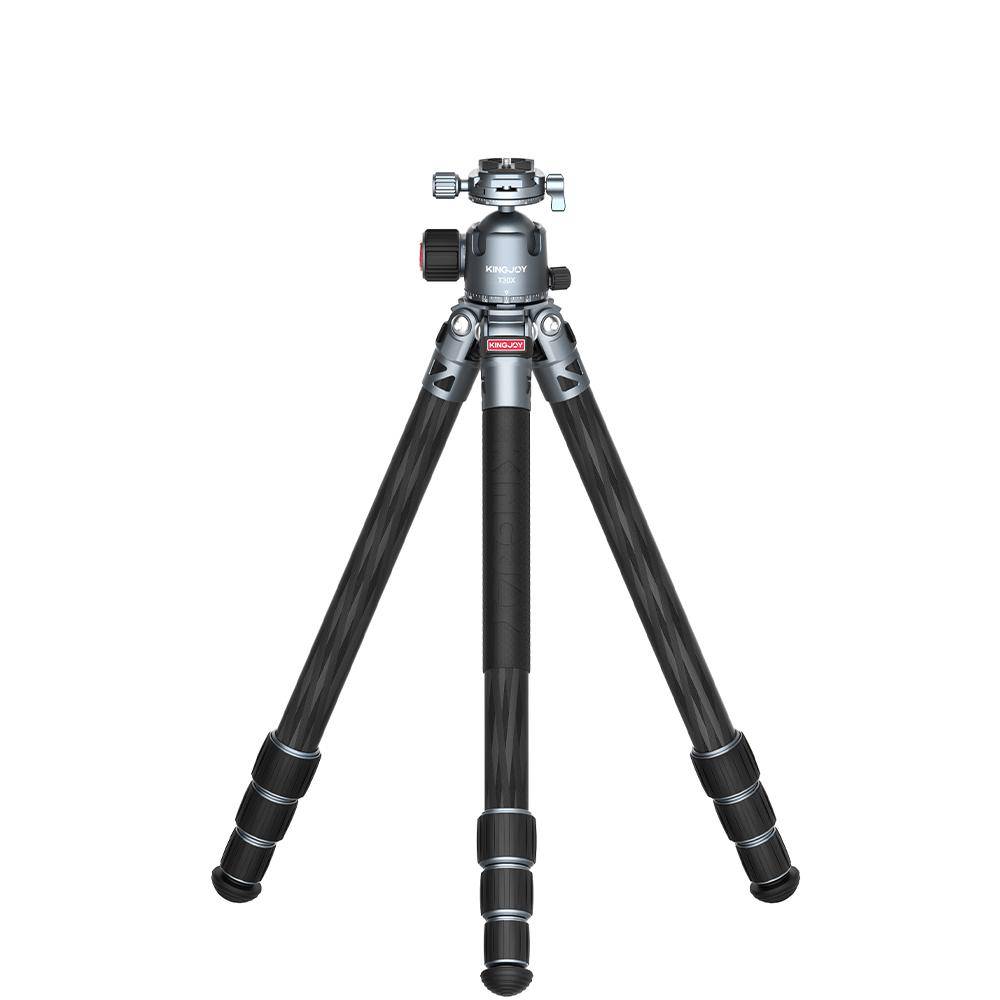
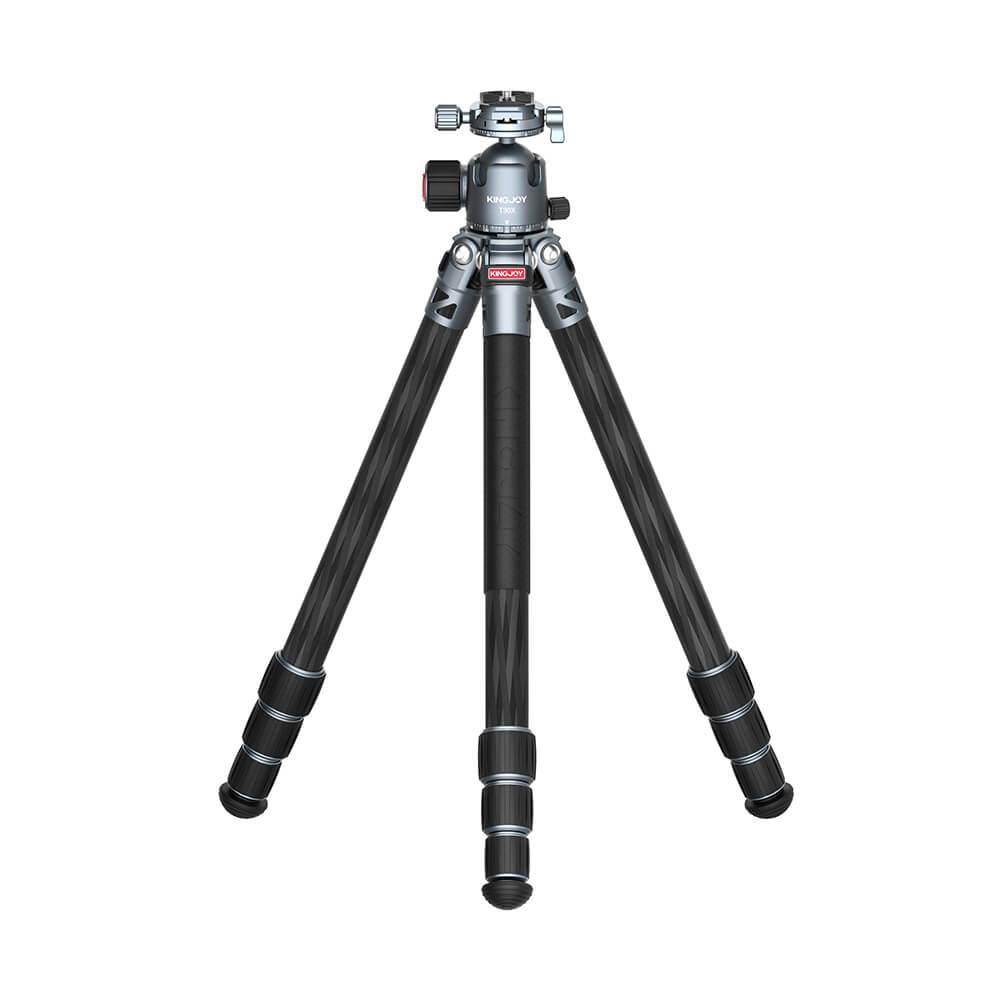
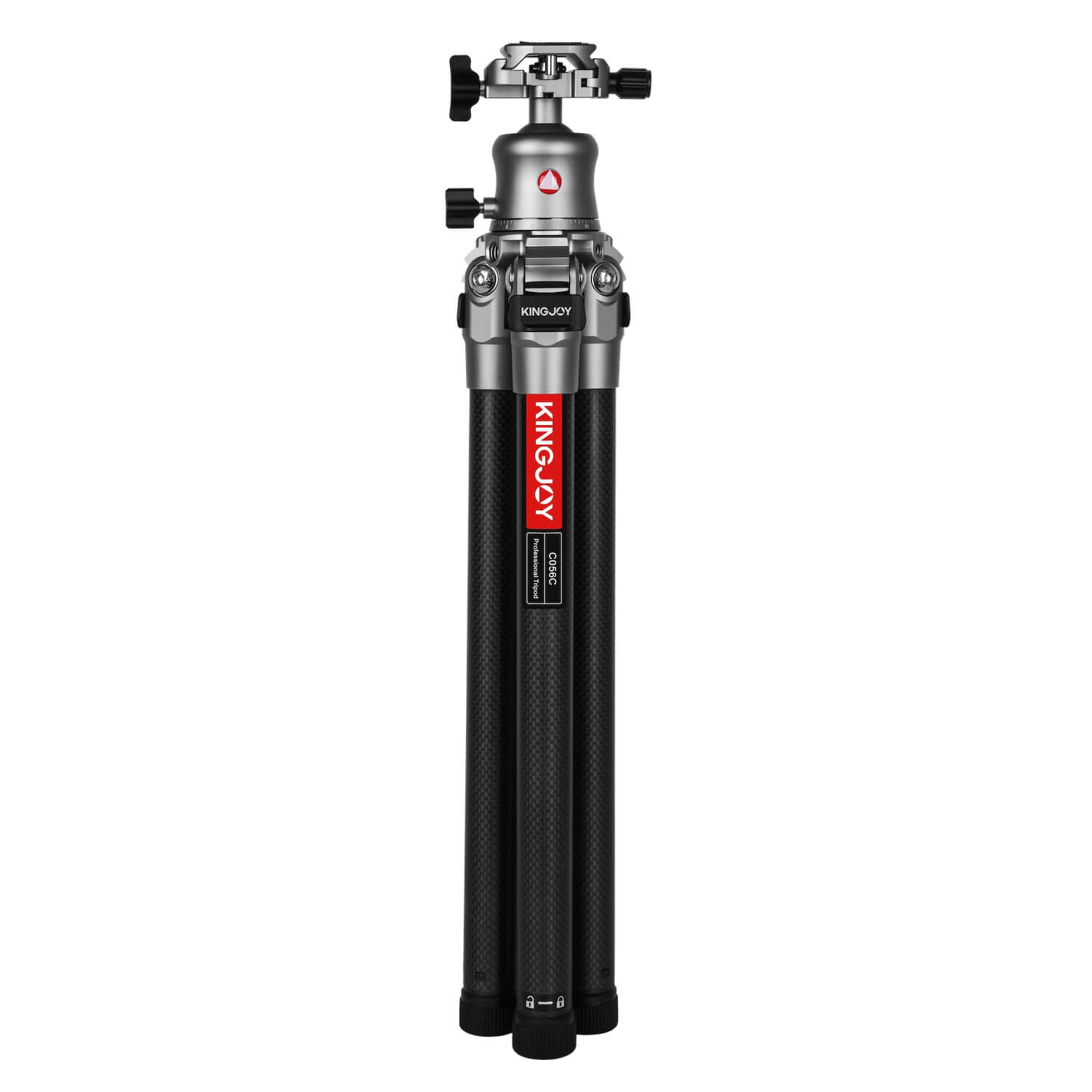
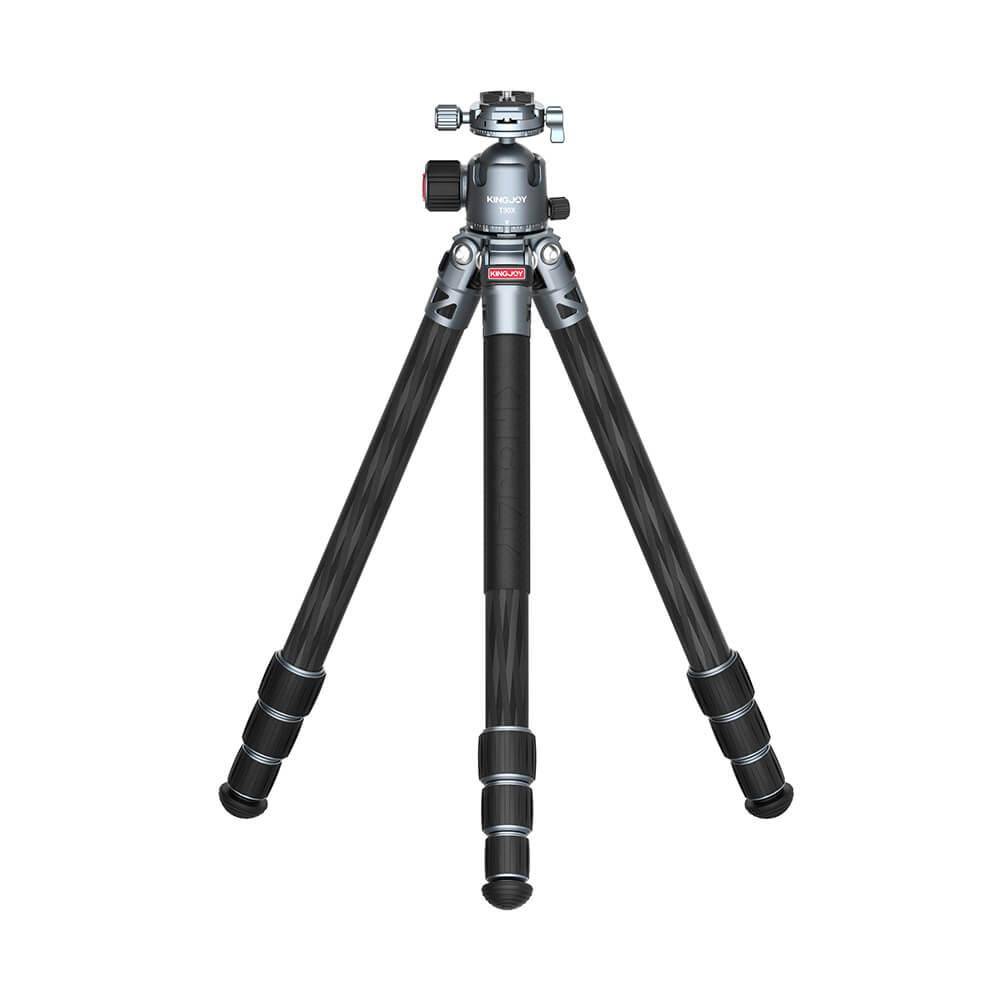
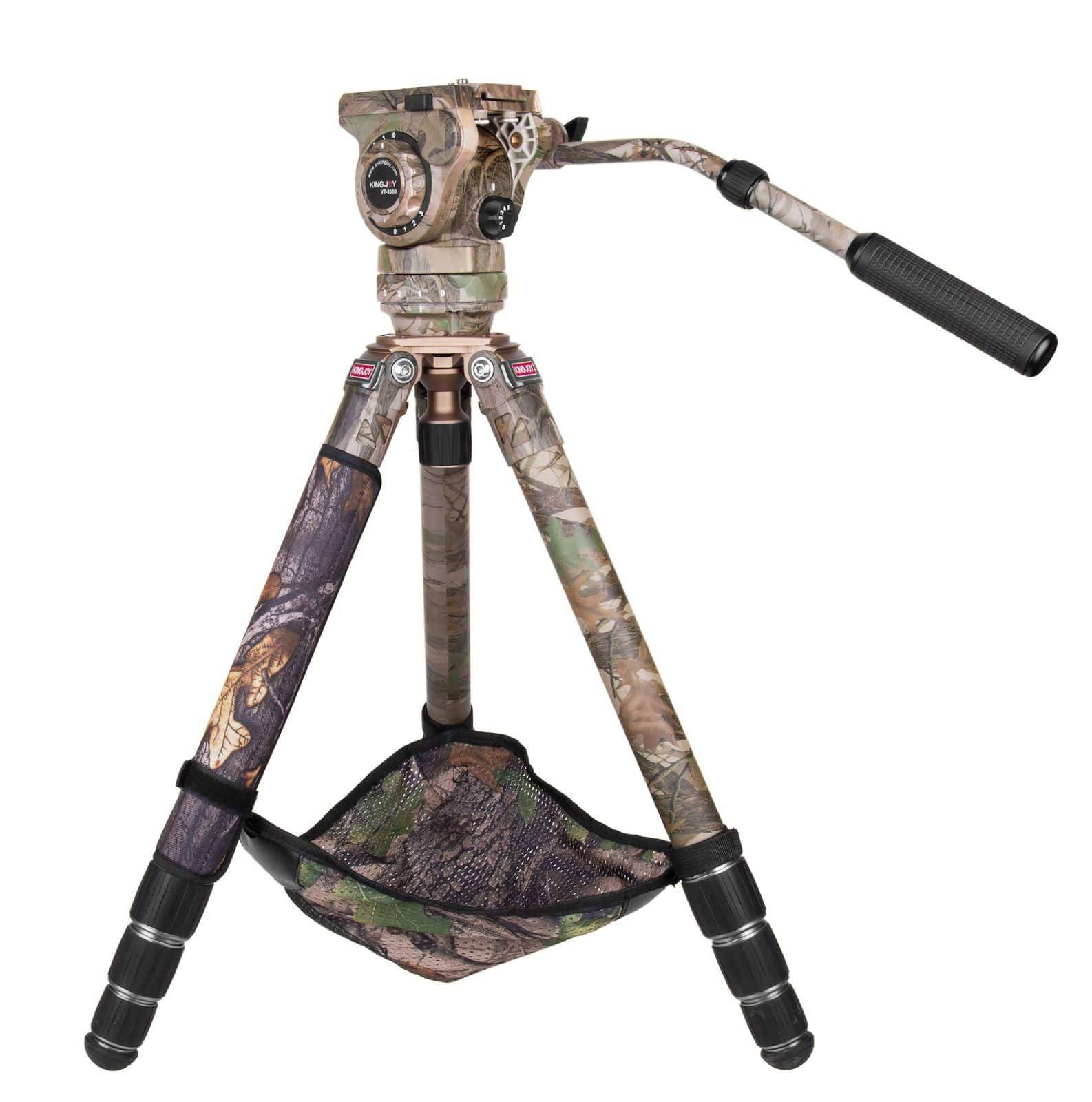
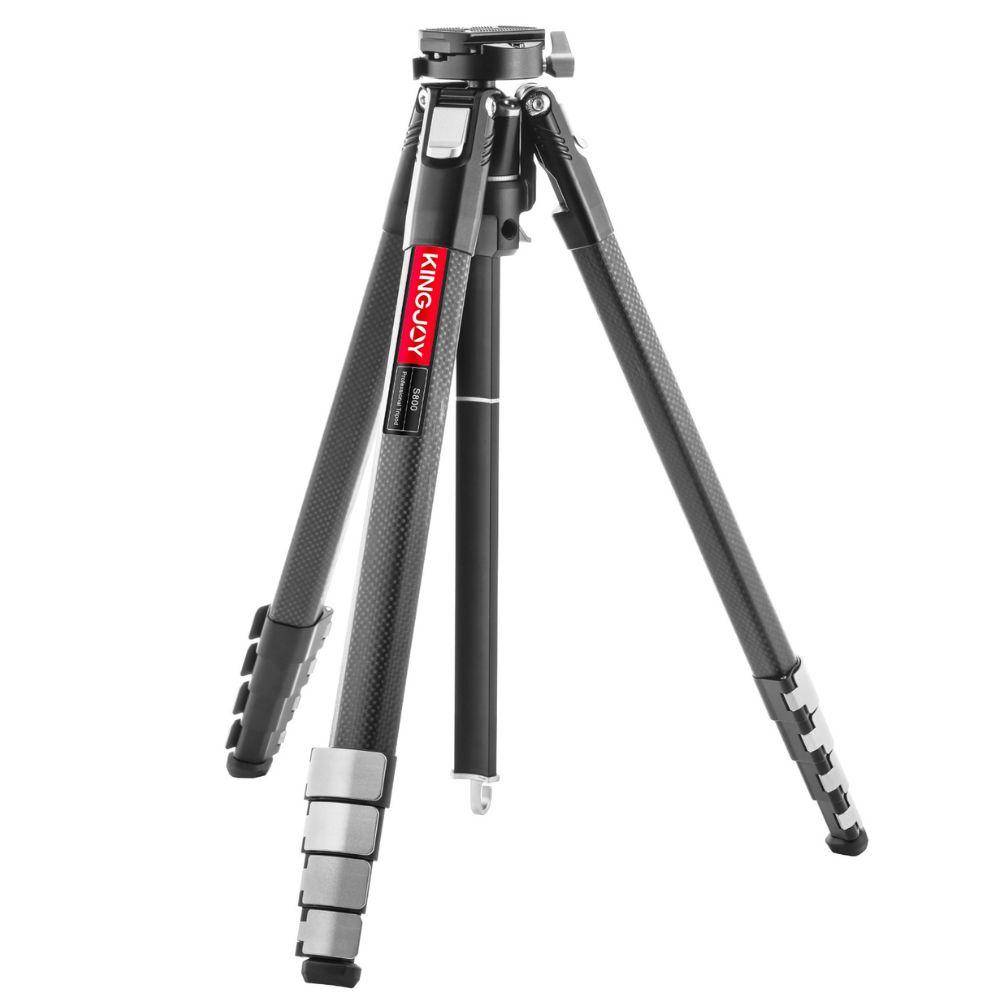
Before you can start, you should first check whether the memory card has enough space, the camera is charged and whether the lens is in perfect condition. A tripod is a prerequisite for photographing celestial objects.
Factors influencing astrophotography
Before you can start photographing the celestial objects, the following things must be observed
moon phases
The moon also has an influence on the recordings of astronomical objects. Therefore, attention should be paid to the phases of the moon, as this influences the quality of the recordings. This is due to the brightness that the moon radiates and makes some objects practically disappear. So the full moon should be avoided and instead photographed on days when there is a new moon. Good pictures can also be taken when the moon has not yet risen. However, this varies from time of day to time and the new moon phases are definitely more predictable.
weather
The weather conditions also have an effect on the image quality. If you want to take particularly expressive pictures, you should take pictures when the sky is clear and cloudless. This makes the stars stand out much better. Clouds in particular can become a disruptive factor because they block visibility and reflect ambient light.
What is light pollution and how does it occur?
The light from artificial light sources enters the atmosphere and causes light pollution. The night sky is therefore brighter and objects from the atmosphere can hardly or not at all be recognized. Light pollution is so extreme, especially over cities, that it is called a dome light. City and metropolitan area lights travel long distances, so the rays of light reflect off the night sky. Due to the dense population, cities show the intensity of light pollution. Industrialization and the growing population are therefore causes of light pollution. Regarding the environment, light pollution is one form of environmental pollution. The lack of darkness has an impact on humans and the animal and plant kingdoms. This is a worldwide problem.
This light pollution has bad effects for astronomical research. The large Orion Nebula or the Milky Way are among the faint astronomy objects and can no longer be observed. Therefore, it is worth finding out where low-light areas are in order to achieve the best possible astronomy photos.
What does an Astro Neutral Night Filter do?
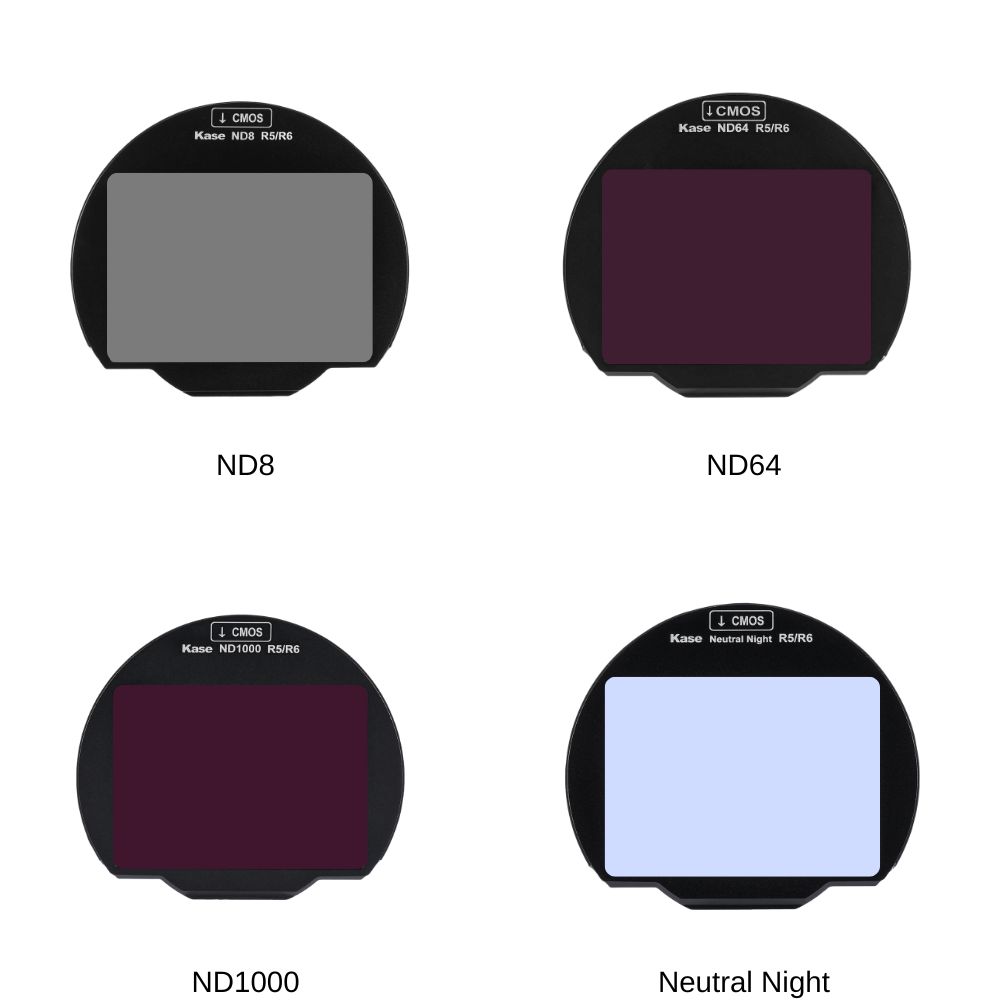
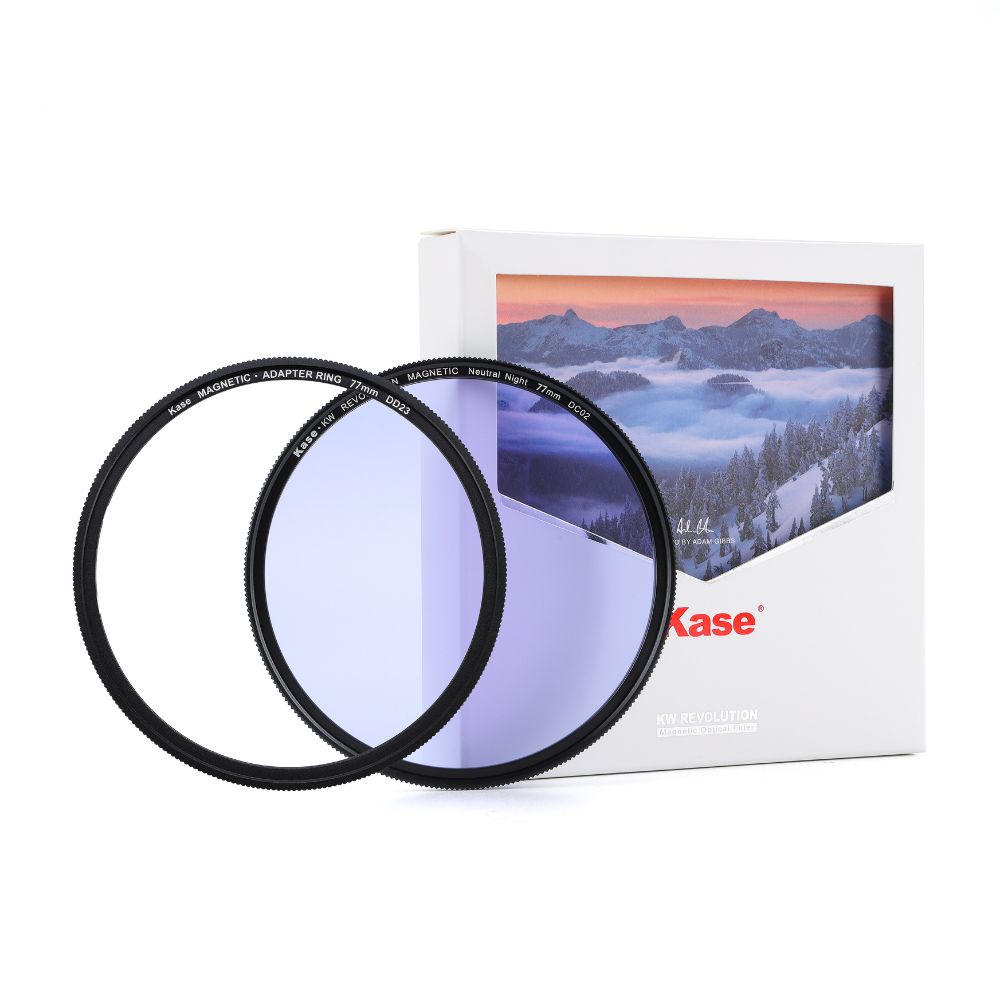
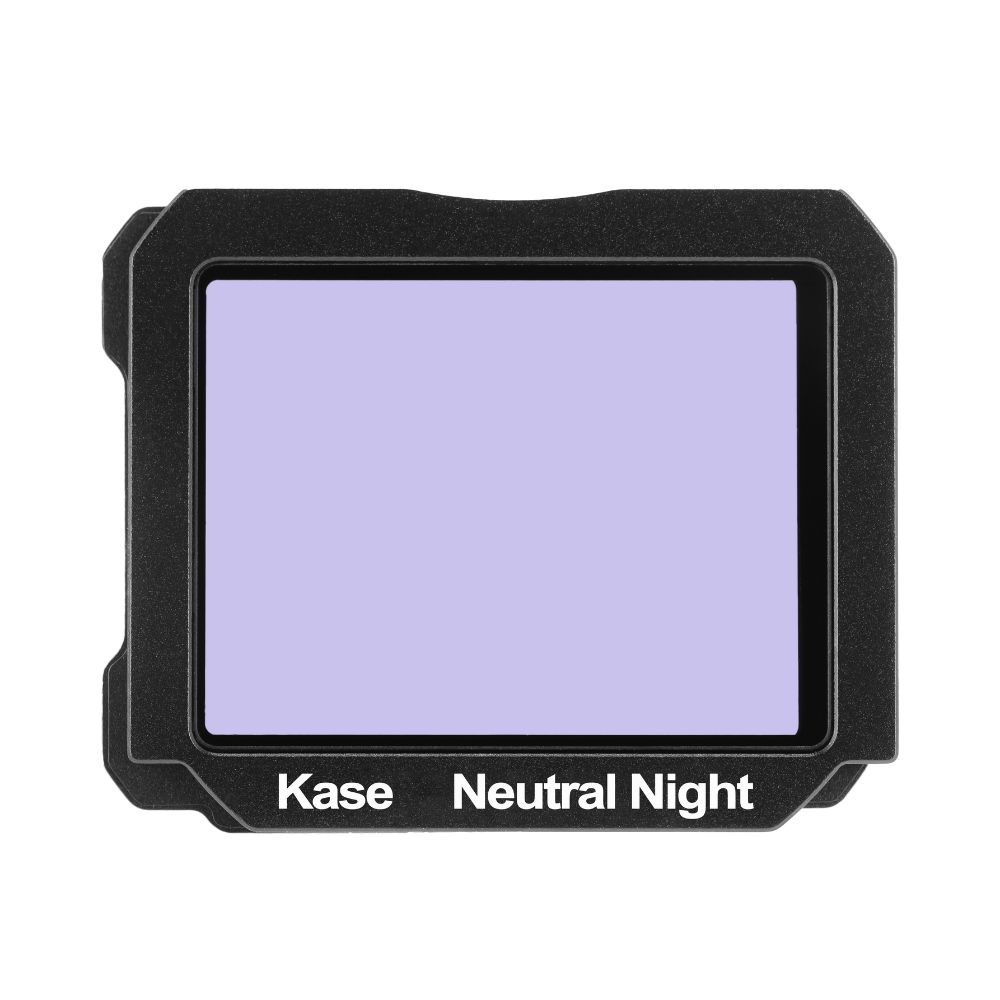
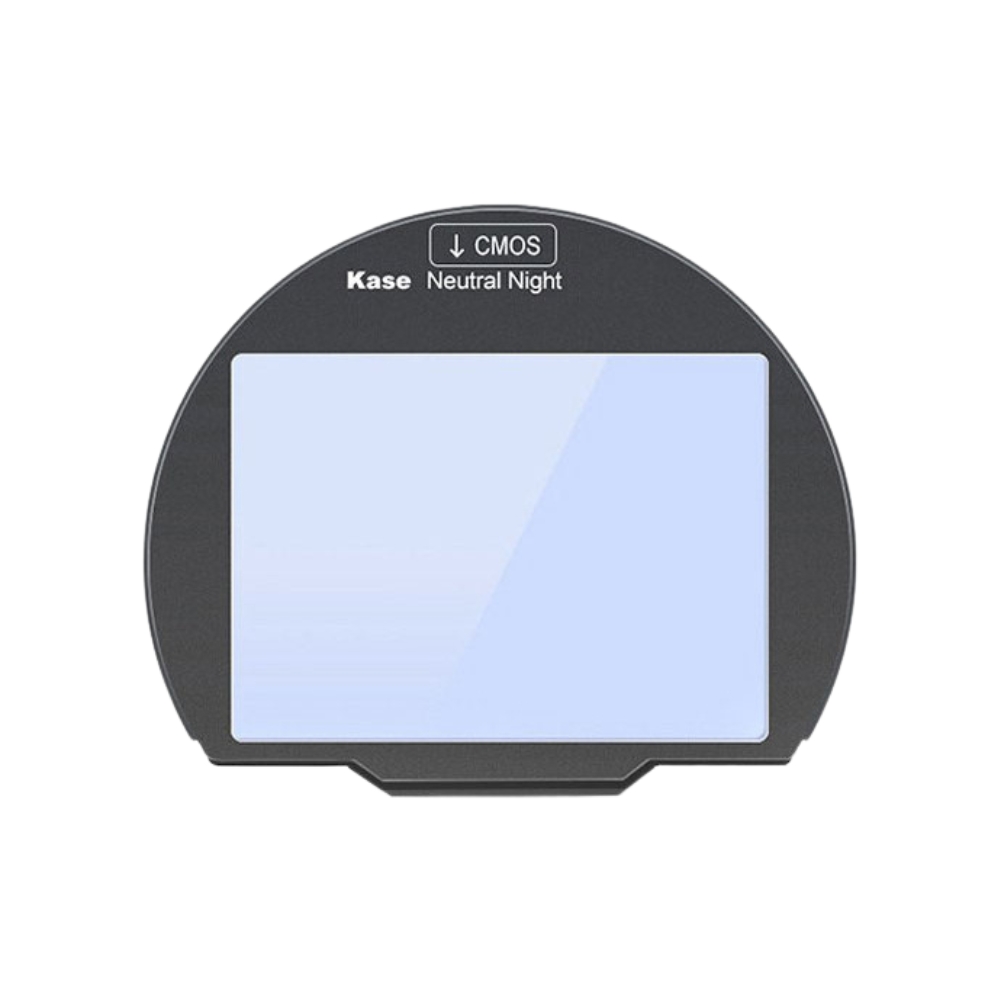
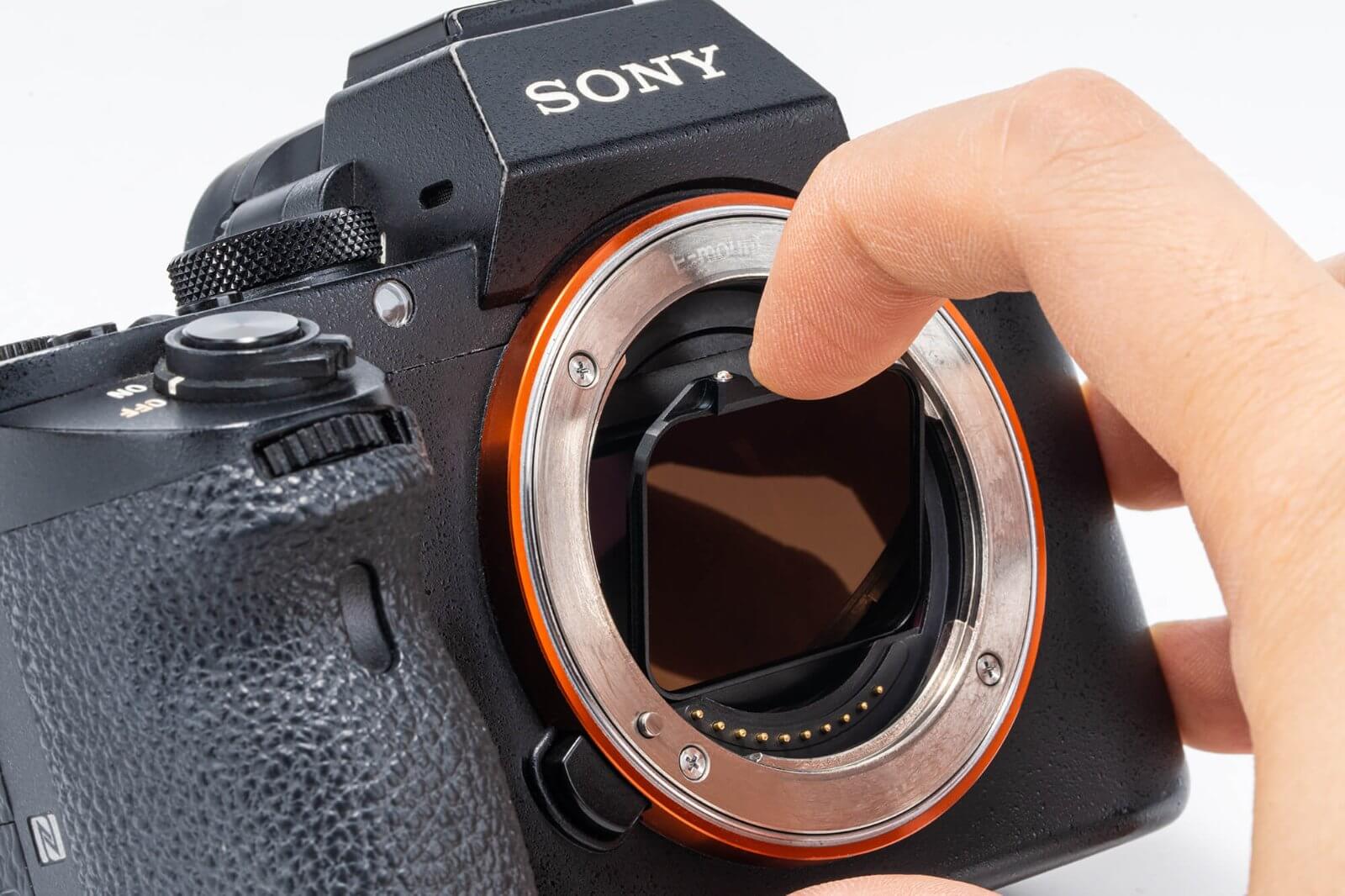
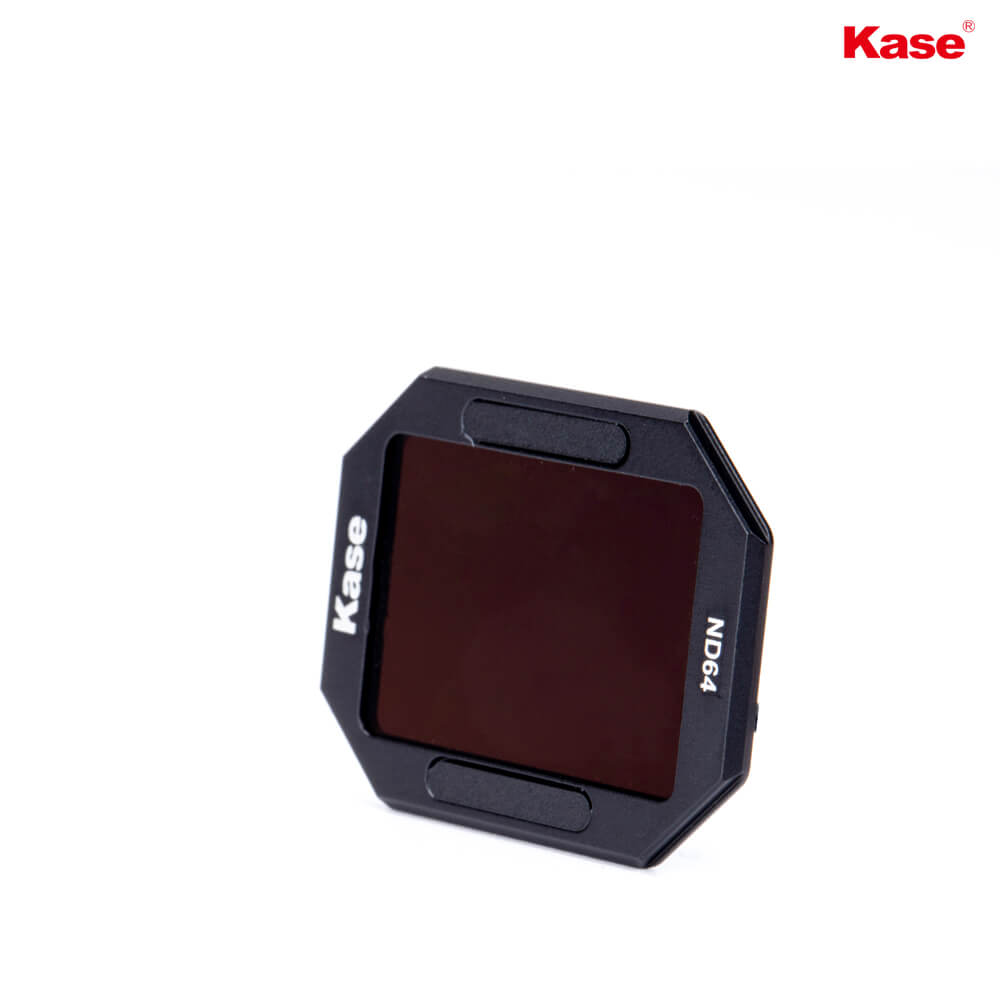
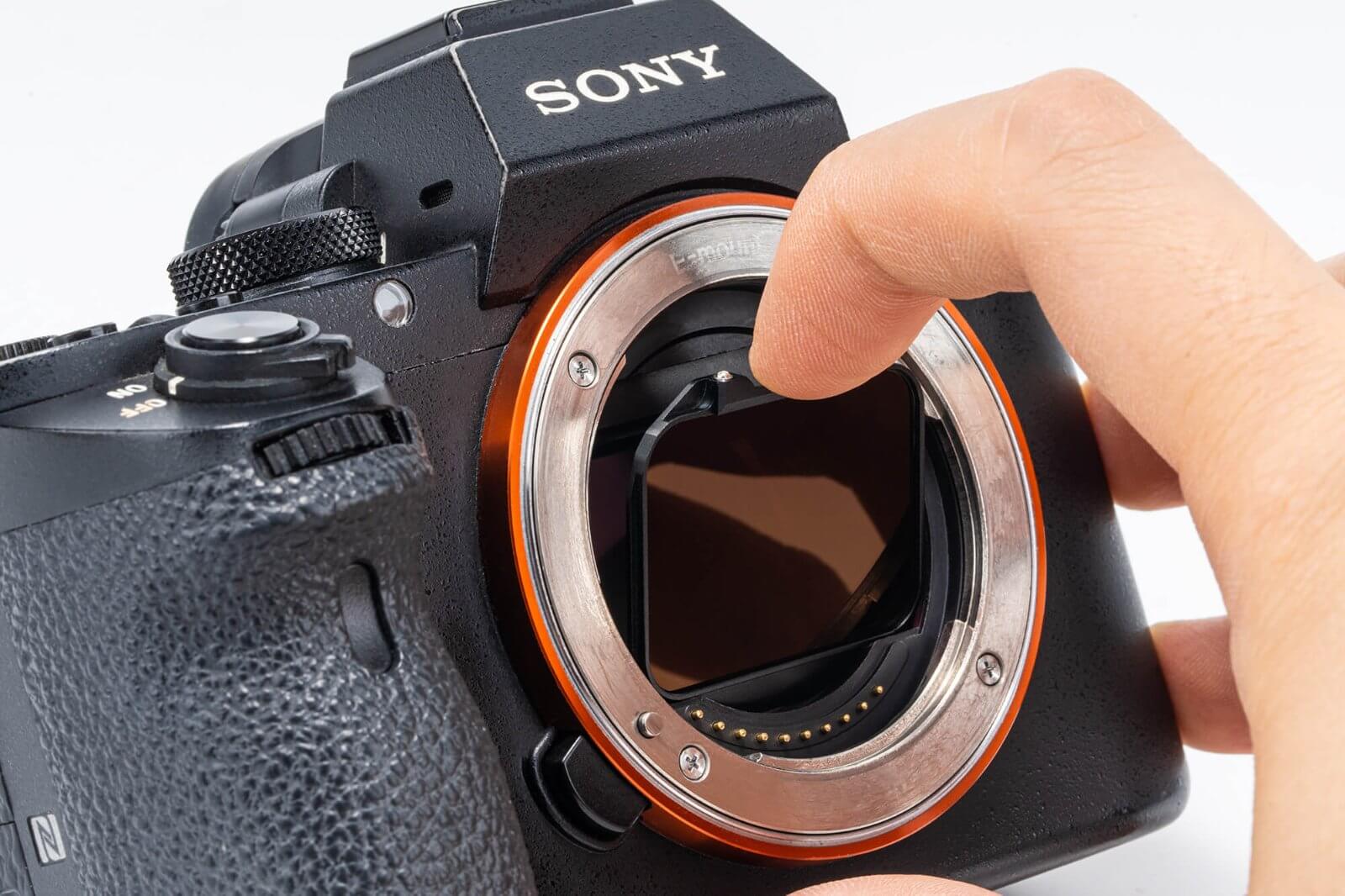
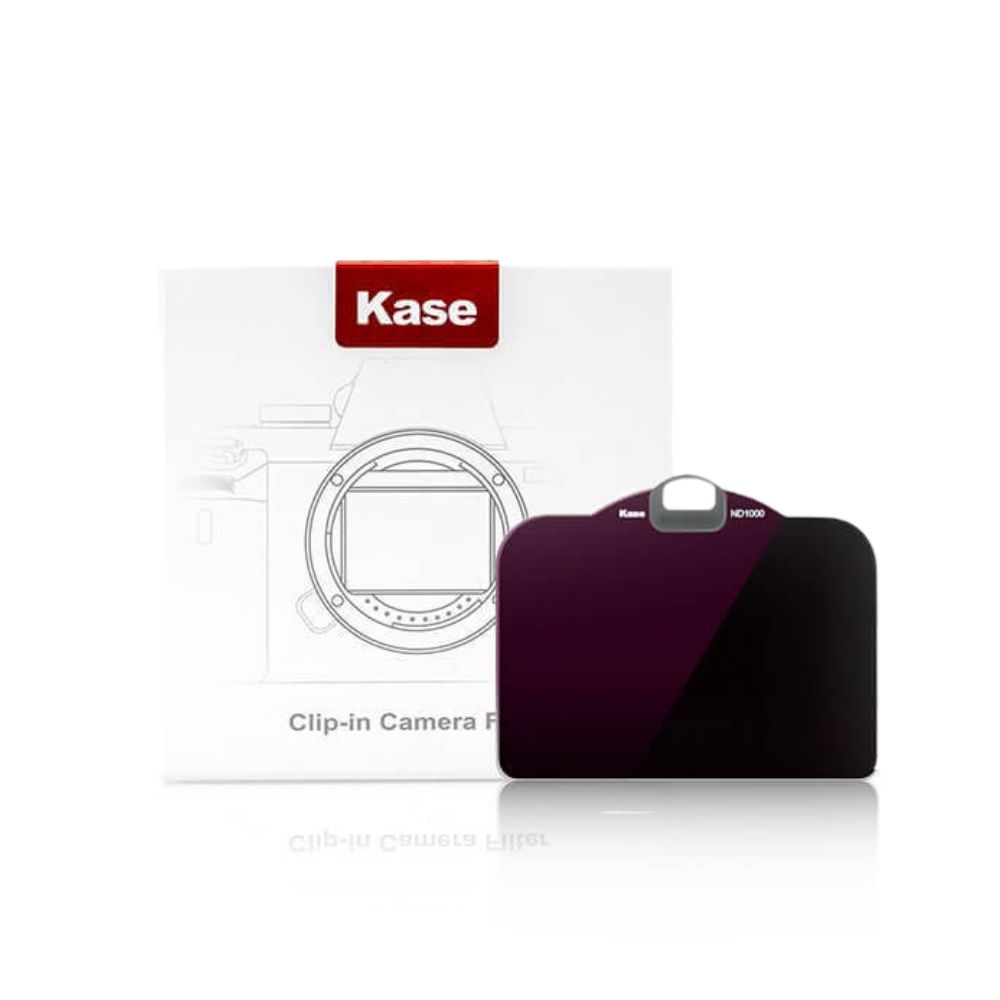
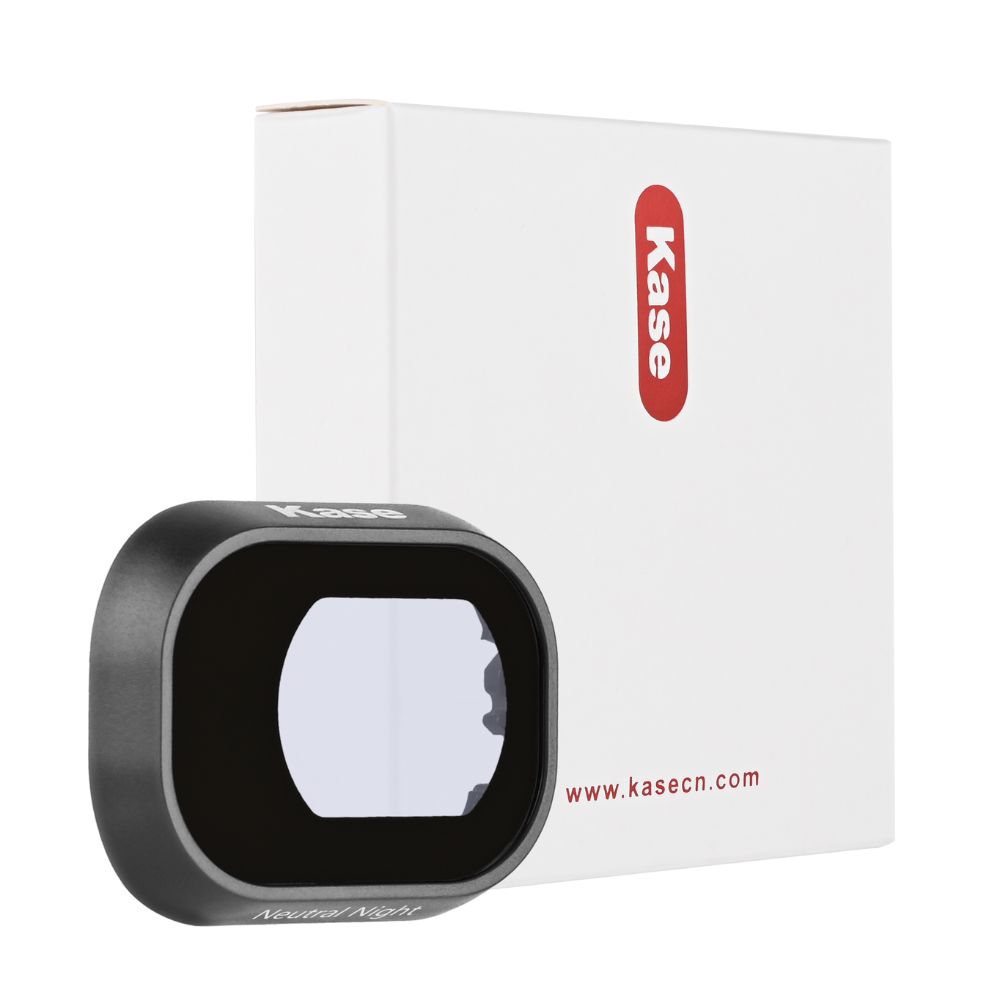
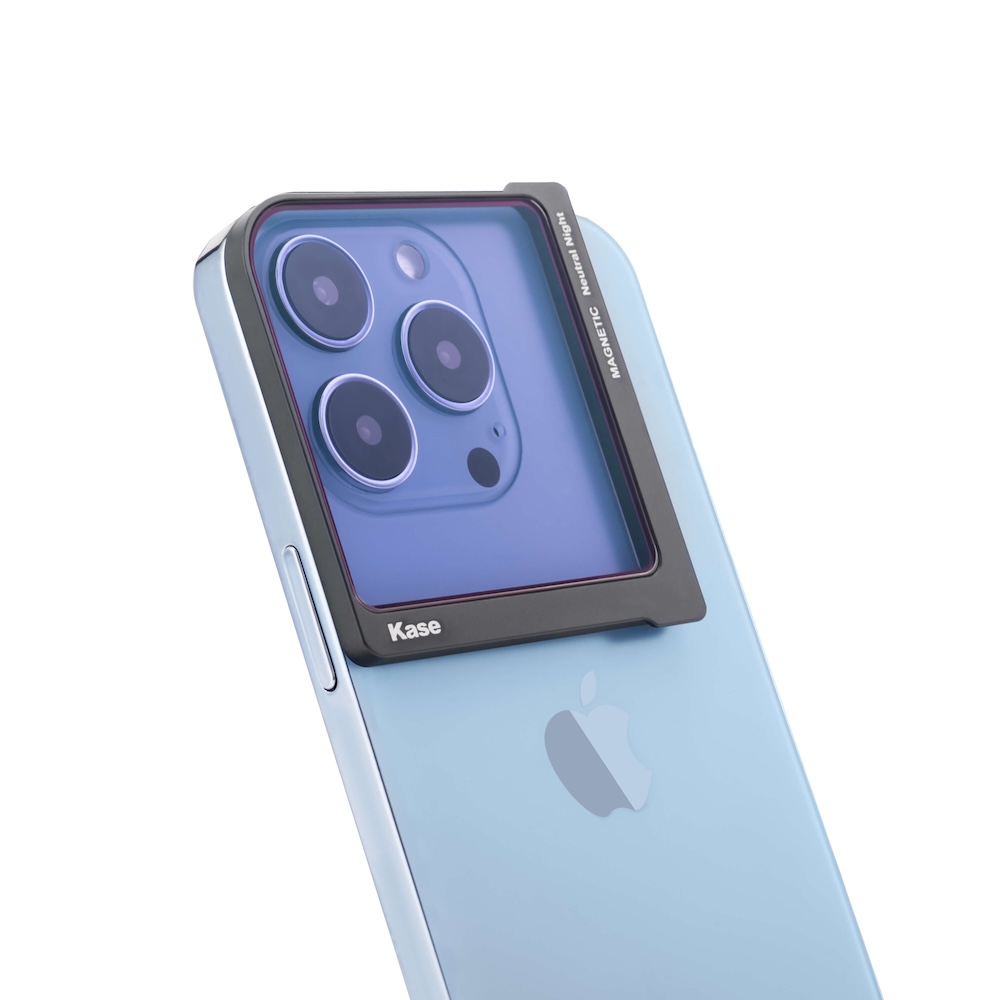
Light waves are the cause of light pollution. These are blocked by the Neutral Night Filter. The filter is a useful tool, especially in astrophotography or for country and city shots at night. But how exactly do the astro filters work?
Broad band filters and narrow band filters are tools to prevent the light pollution. The broadband filter lets through large wavelength ranges that absorb wavelengths from artificial light sources. Sodium vapor lamps and mercury vapor lamps are usually responsible for a brown/yellow stripe on the pictures. They are used for Light Pullotion Reduction and are abbreviated to LPR. Other terms are clear sky filters or city light filters. The aim of the broadband filter is to block stray lights and allow objects such as stars, galaxies, etc. Narrow band filter is ideal for capturing the emission nebula. Here, only an exact range of wavelengths is permitted.
The electromagnetic spectrum varies from light source to light source. The color spectrum is visible to humans. H-alpha radiation is the most powerful wavelength that a human can detect, a camera cannot. Digital cameras have an integrated UV blocking filter, so that good color intensity is guaranteed during the day and the colors of the horizon cannot be seen in the evening. Not all objects on the horizon have the same H-alpha radiation, so some celestial objects are easier to see than others.
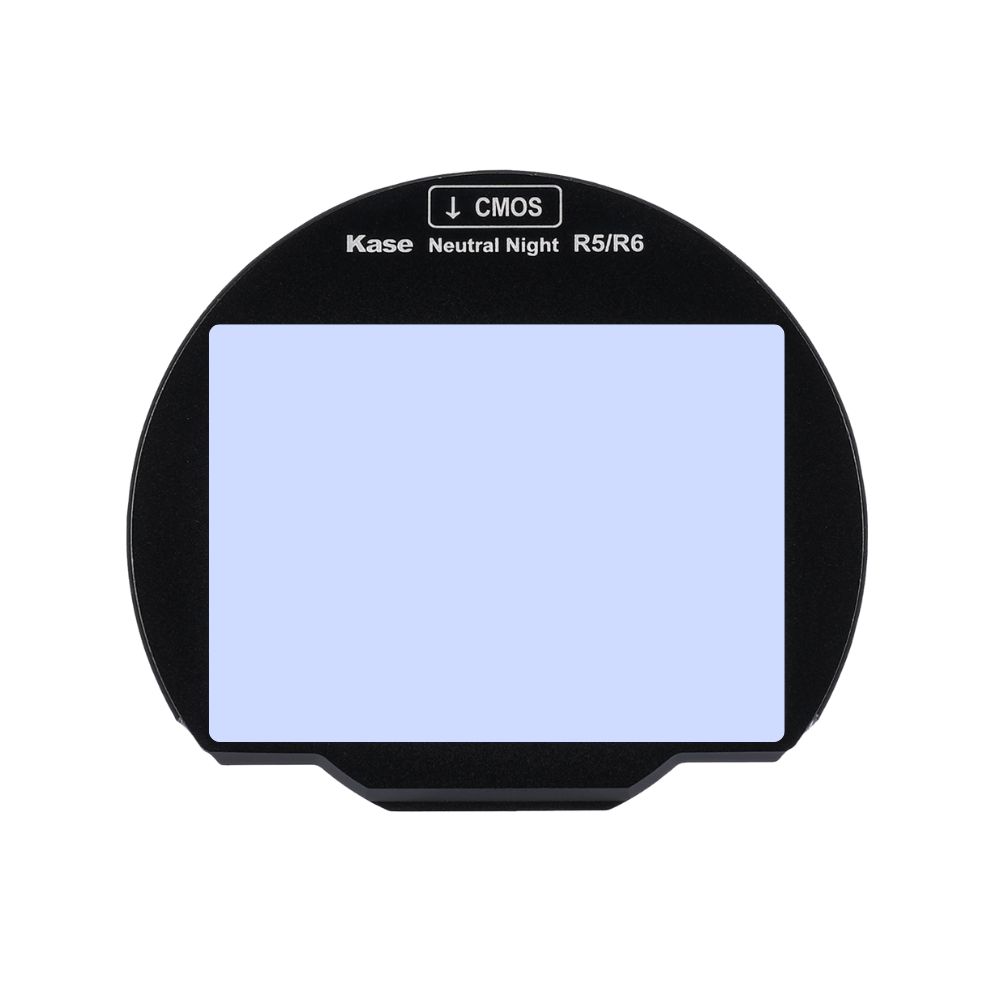
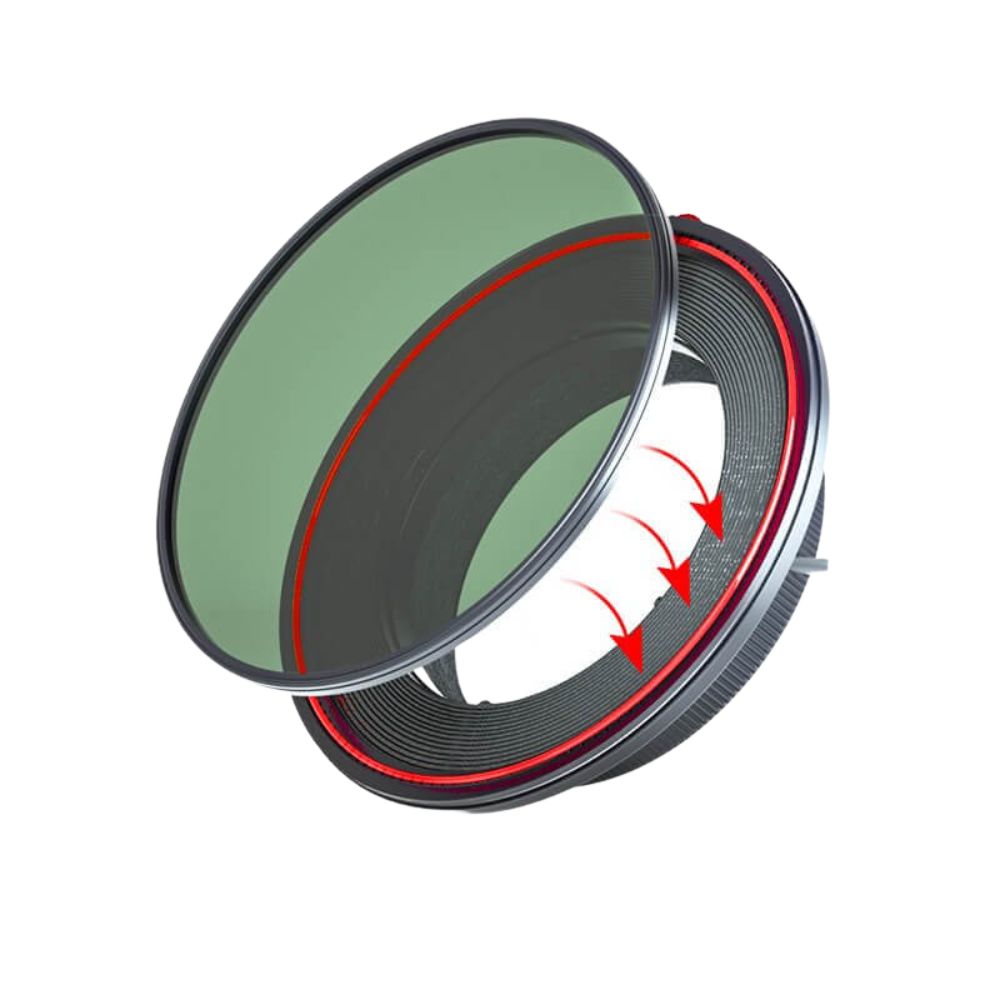
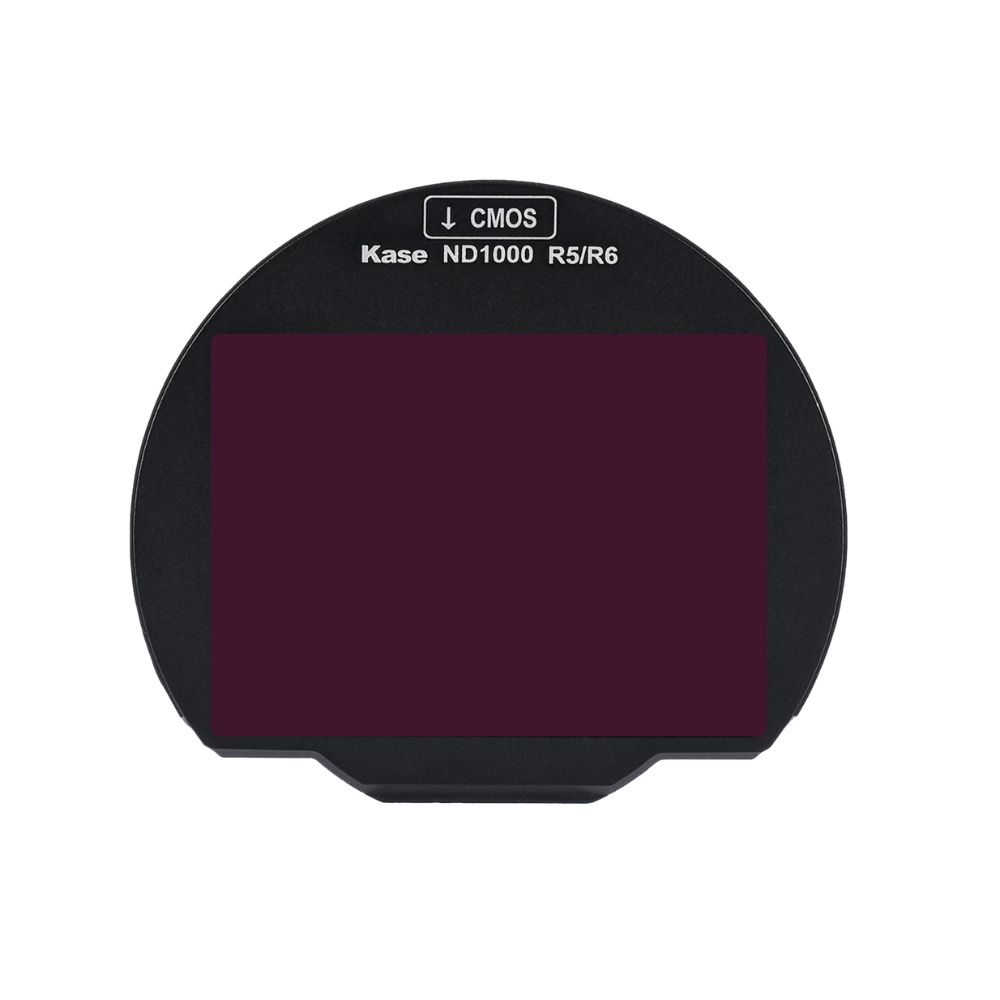
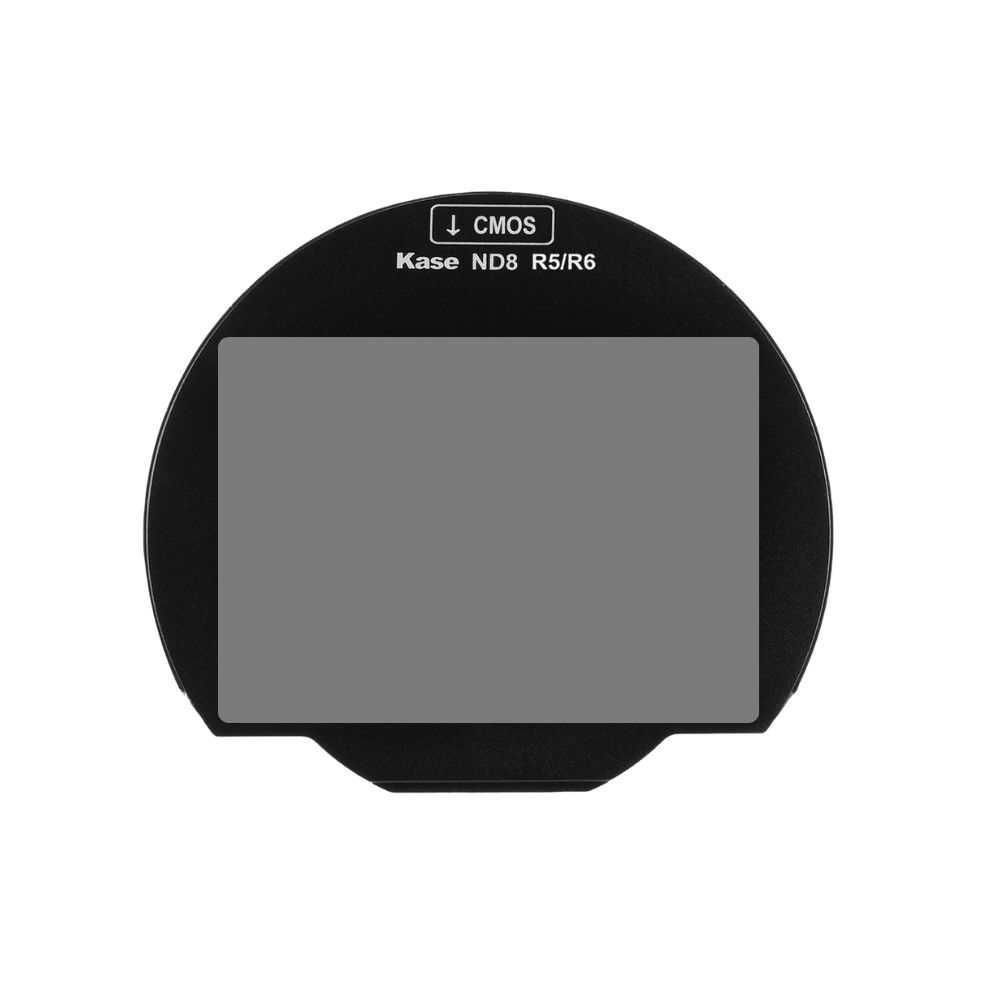
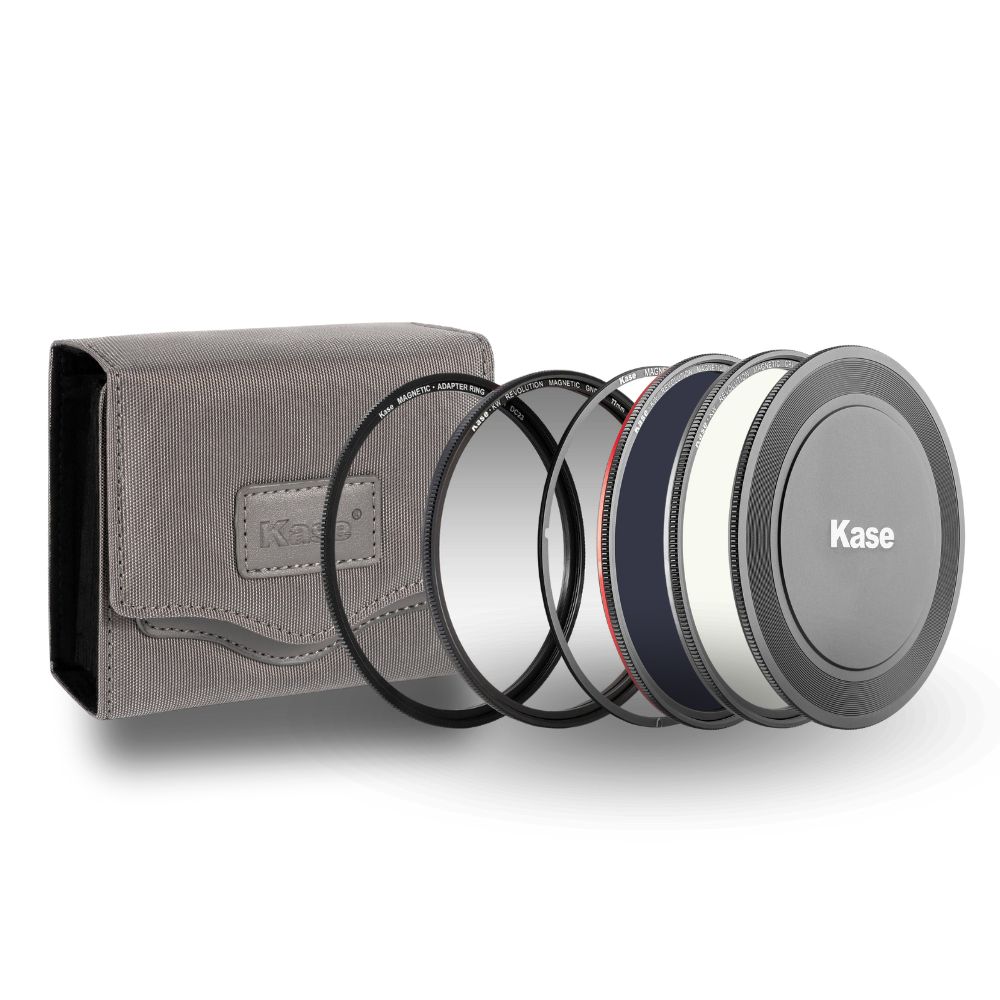
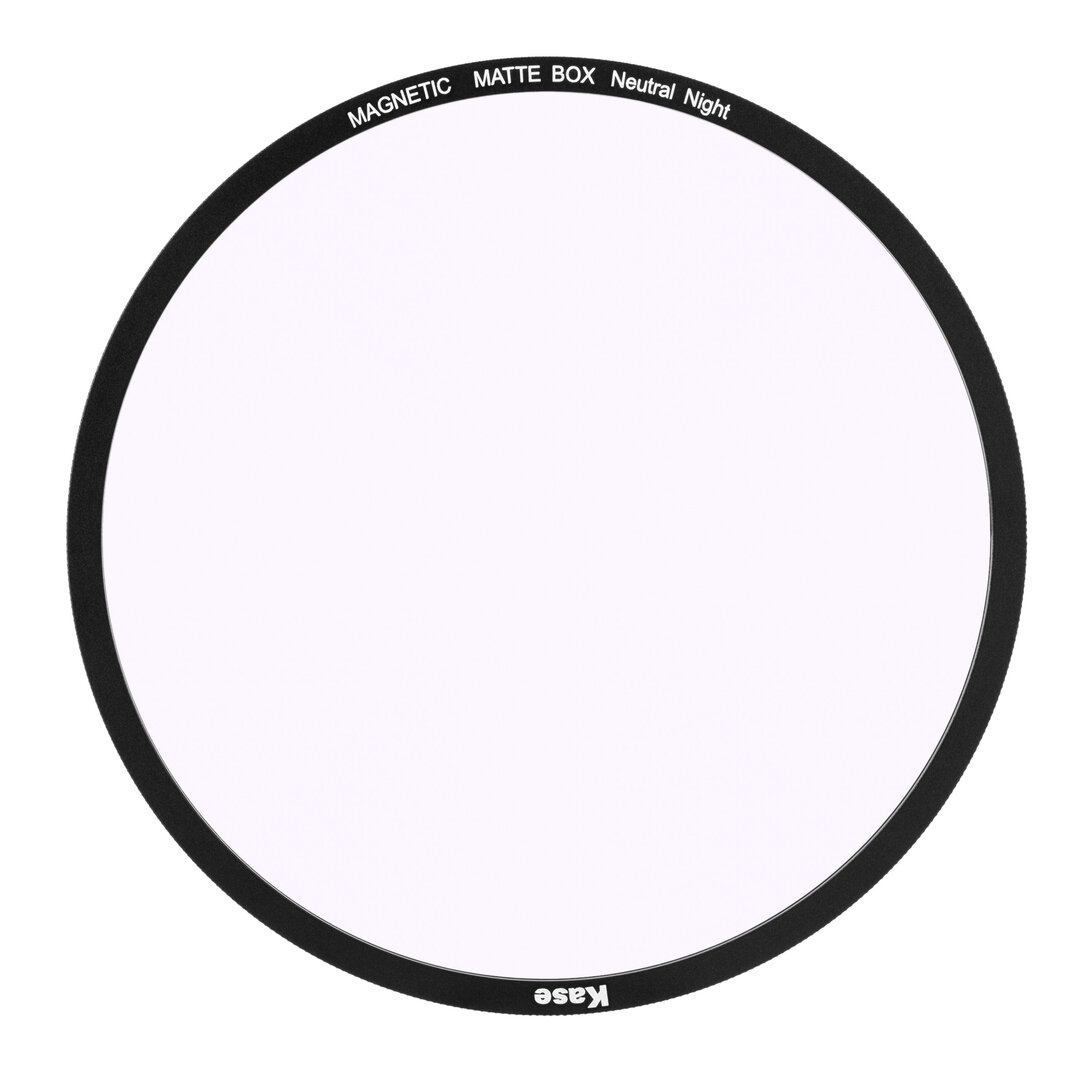
Astro filters are screwed in front of the camera lens. Astrophotography images without filters have green/yellowish color accents and are cloudy/unclear. The Astro Neutral Night Filter improves contrasts and ensures clear recordings without disturbing color accents.
Photograph the Milky Way
What is the Milky Way? The Milky Way is also known by the word galaxy. It is the galaxy in which our solar system occurs with the earth. It looks like a milky white band. In fact, it consists of numerous stars that are not visible to the naked eye. Scientists have found that these are billions of stars.
How exactly did the Milky Way form? Galaxies like the Milky Way haven't been around since the beginning. They formed from huge gas clouds after a billion years.
What equipment do I need? In order to be able to photograph the Milky Way, you need a digital camera and a fast wide-angle lens. It should be photographed with an open aperture if possible or with the lowest f-number, but at least f/2.8. You should also definitely take a tripod with you to get stability and avoid camera shake. An exposure time of 10-20 seconds should be set.
When is the best time? The time of year plays an important role when it comes to photographing the galaxy in as much detail as possible. June or August have turned out to be optimal months to capture the Milky Way. During December and January, the sun is between the center of the galaxy and Earth, obscuring the brightest area of the Milky Way.
Where is the best place? The location is also a crucial factor. With the so-called Light Pollution Map you can find out where the light pollution is lower and therefore the best place to take photos.
What is the Deep Sky?
Deep sky objects include astronomical objects that can be found outside the solar system. The "deep sky" is not about long distances. A distinction is made between galactic and extragalactic objects. Galactic objects include globular clusters, stars and emission nebulae.
Topseller
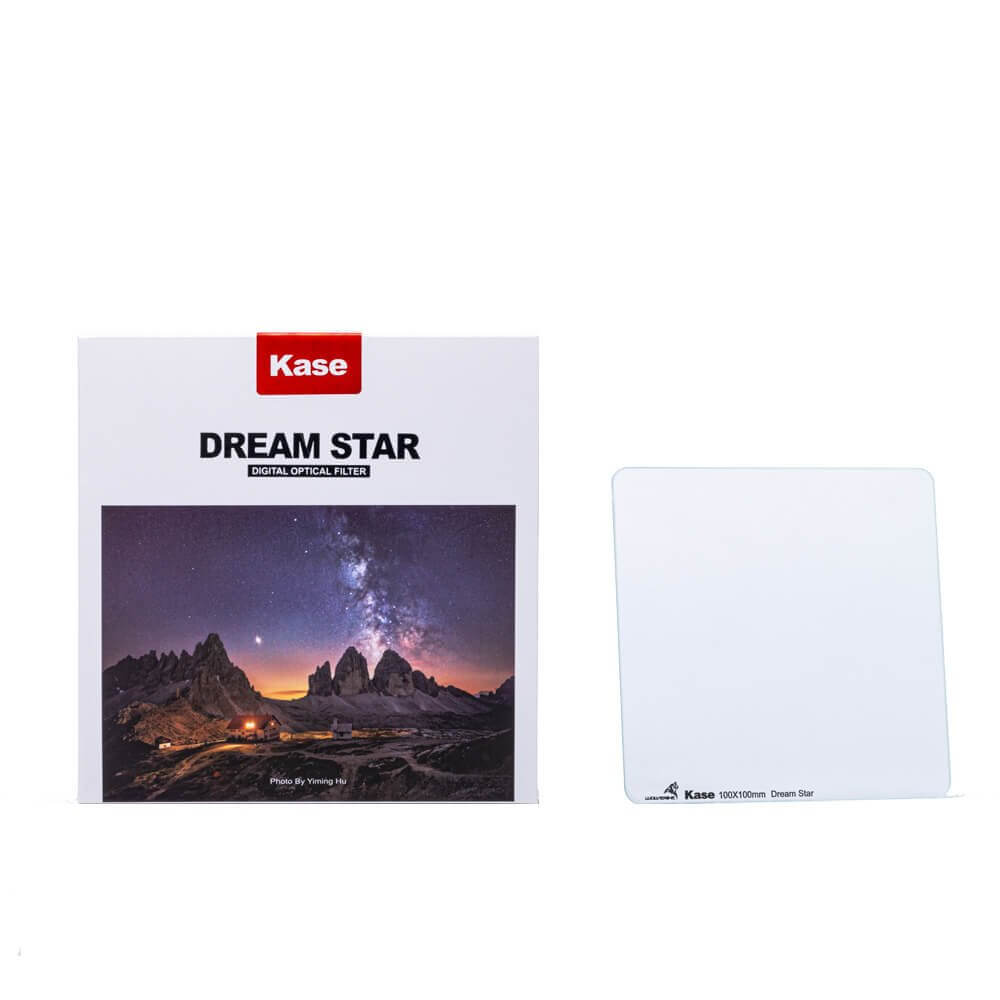
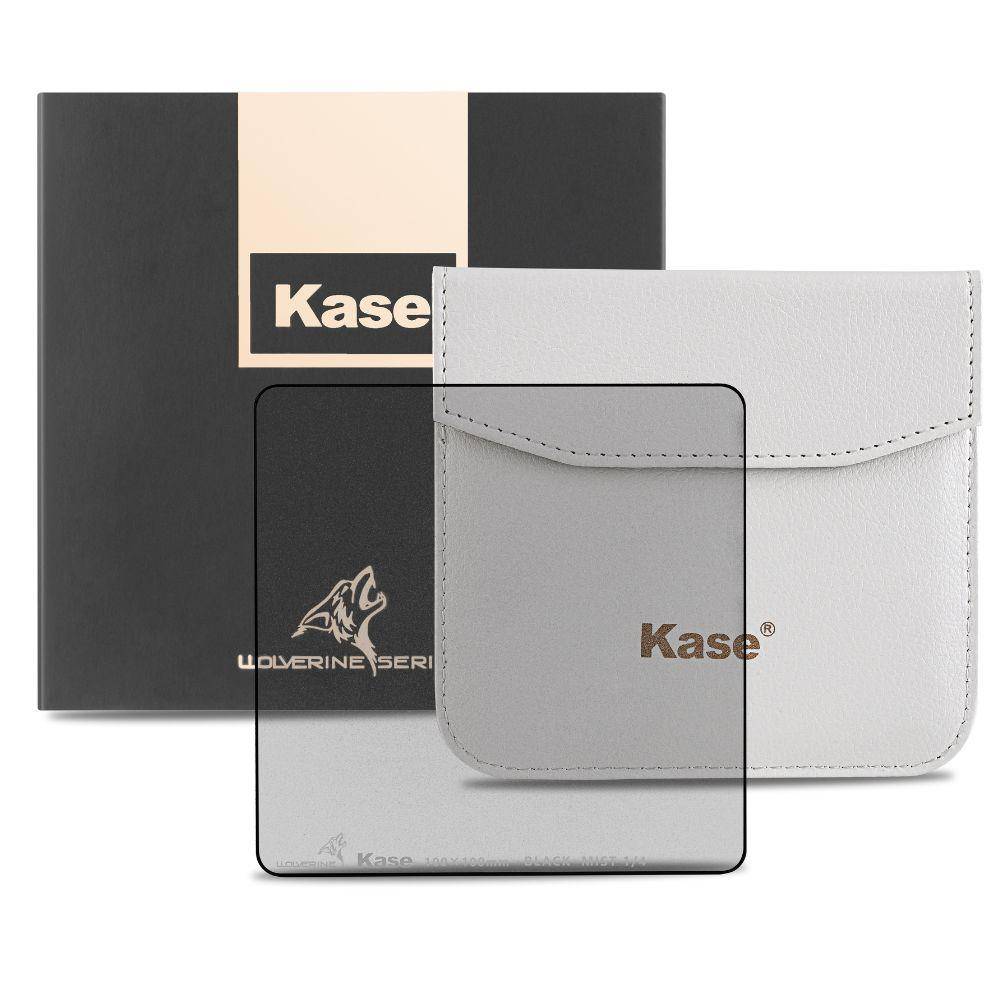
Filtr efektowy Kase K100 Dream Star - magiczna poświata do astrofotografii Kase K100 Dream Star to idealny filtr efektowy do astrofotografii, jeśli chcesz nadać swoim nocnym krajobrazom miękką, magiczną gwiezdną poświatę. Filtr tworzy miękką aureolę wokół jasnych gwiazd, wzmacnia naturalne kolory i tworzy marzycielską atmosferę świetlną podobną do popularnego efektu Ortona. Idealny do Drogi Mlecznej, głębokiego nieba, pól gwiezdnych i kreatywnych nocnych krajobrazów! Kreatywne efekty z profesjonalną jakością szkła Efekt blasku i aureoli: światła gwiazd są wzmocnione i zyskują magiczny połysk. Wzmocnienie kolorów: podkreśla naturalne kolory gwiazd . Miękkie wrażenie obrazu: Opcjonalnie może być używane również dla części nieba. Elastyczne opcje aplikacji Filtr prostokątny 100×100 mm: Kompatybilny z popularnymi uchwytami filtrów, takimi jak Kase K100. Możliwa pełna lub częściowa ekspozycja: filtr może obejmować tylko niebo w ukierunkowany sposób Możliwość łączenia: idealny w połączeniu z filtrem Kase Neutral Night. Seria Wolverine - jakość, która chroni Szkło hartowane Pro HD: szczególnie odporne na uderzenia i pęknięcia Metaliczna nanopowłoka: odporna na zarysowania, zabrudzenia i wodę Łatwość czyszczenia: nawet w przypadku kondensacji lub rosy Wskazówki dotyczące aplikacji Eksperymentuj z czasem ekspozycji: dla optymalnej intensywności blasku Zwróć uwagę na kompozycję obrazu: Blask wpływa również na obiekty, które nie znajdują się na niebie. Zakres dostawy 1× filtr efektowy Kase K100 Dream Star (100×100 mm) Twoja korzyść: Dzięki filtrowi Dream Star możesz nadać swoim astrofotografiom atmosferyczną głębię i kreatywny efekt obrazu - przy maksymalnej wytrzymałości i jakości obrazu. Idealny dla fotografów, którzy chcą zrobić coś więcej niż tylko dokumentować.
możliwe zamówienie w przedsprzedaży
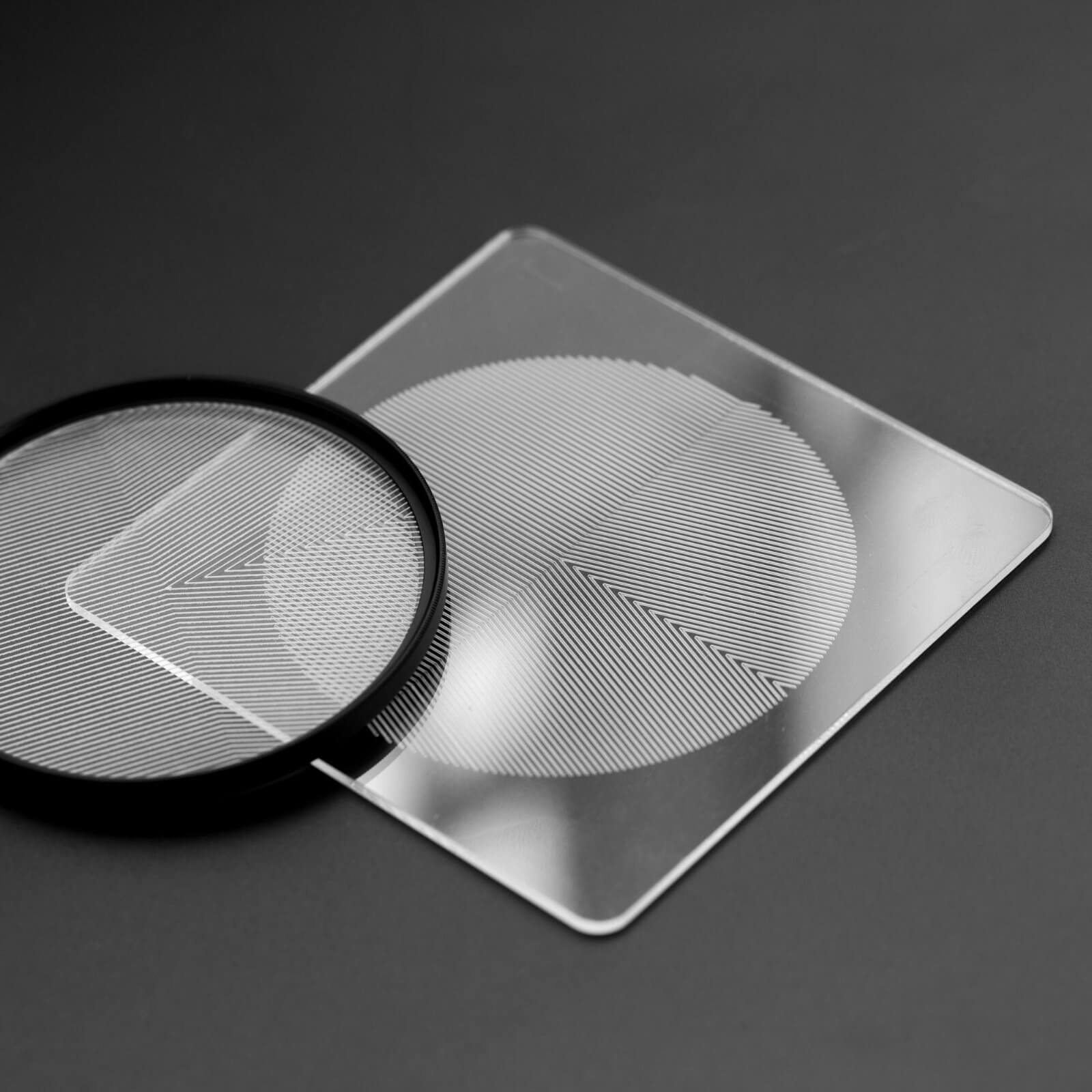
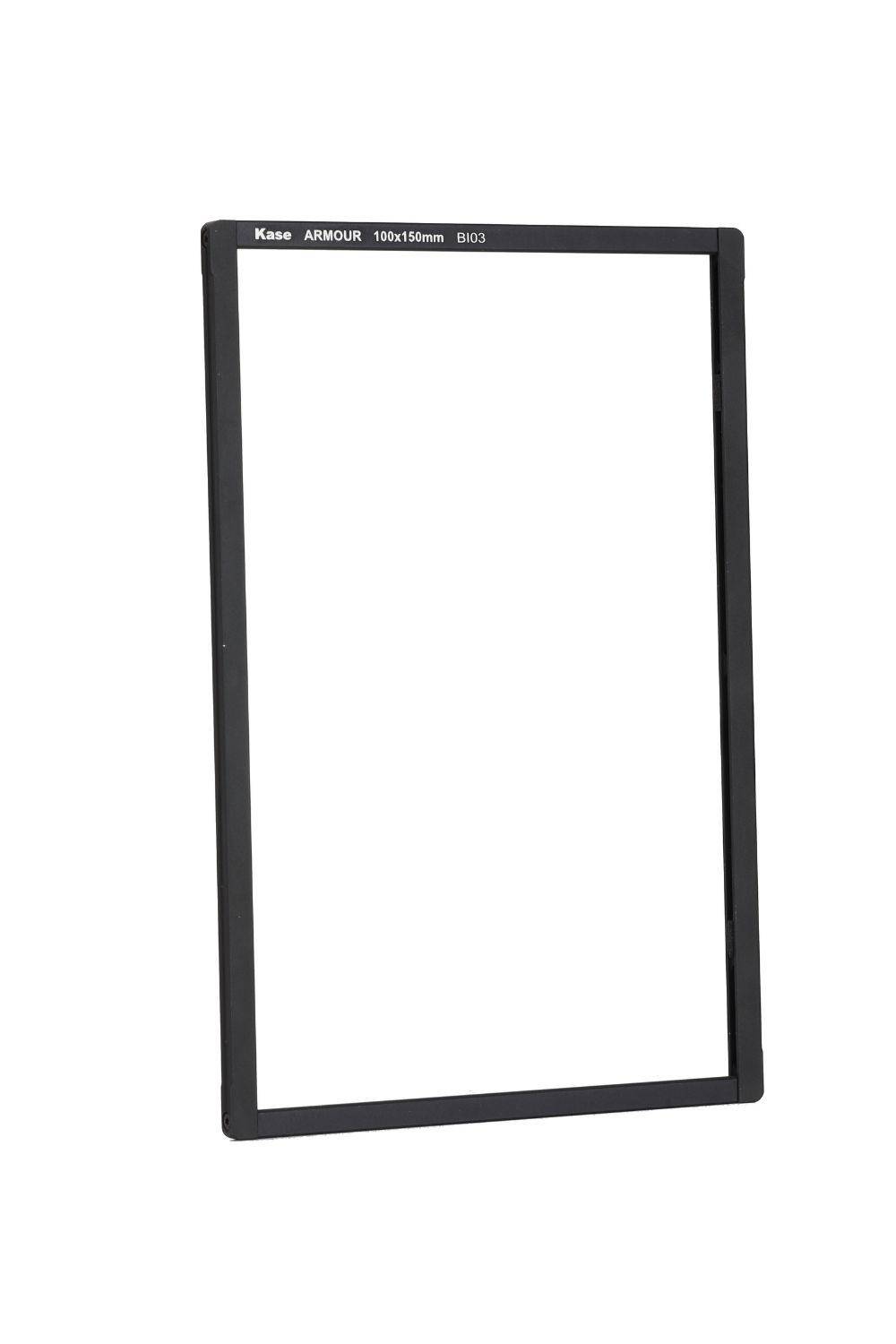
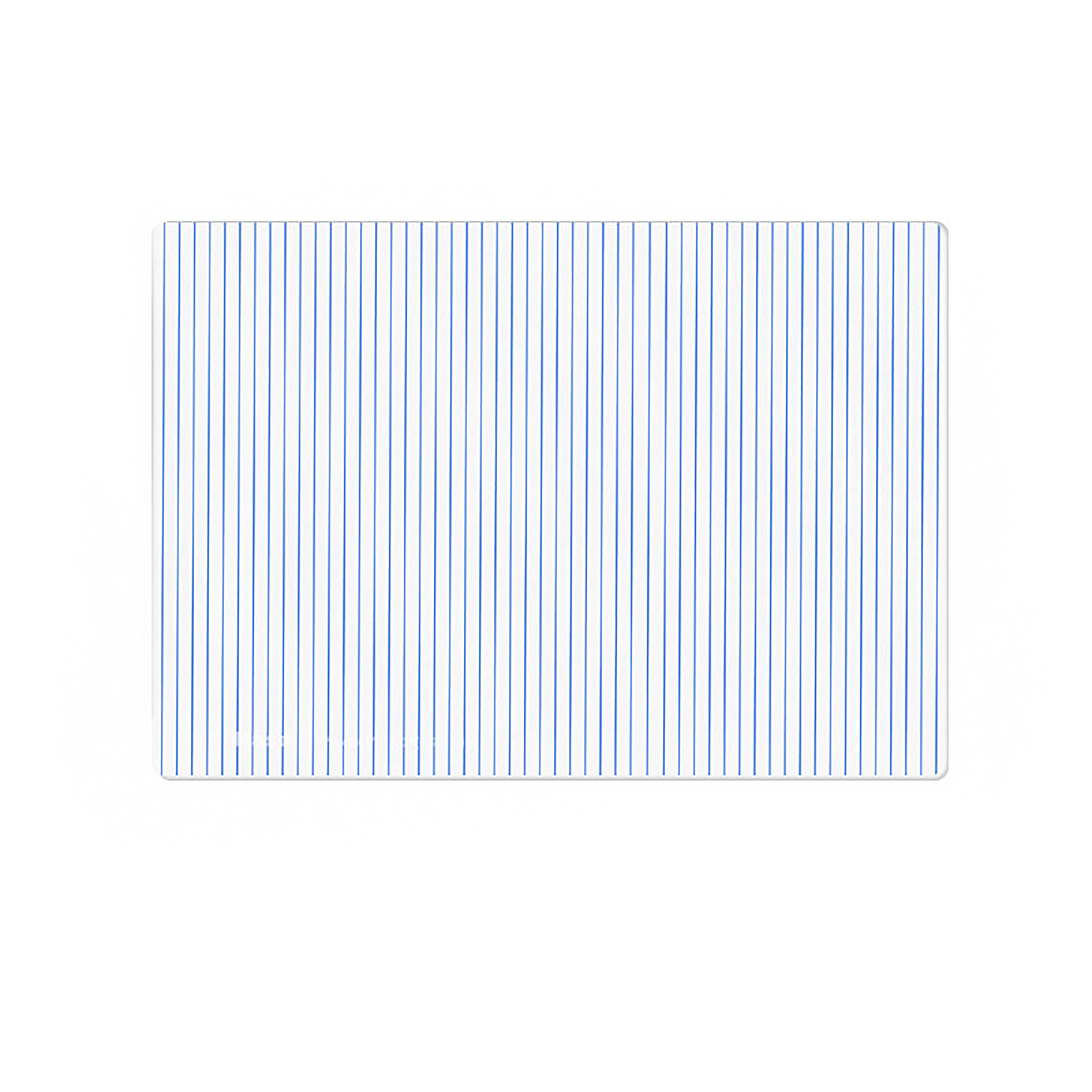
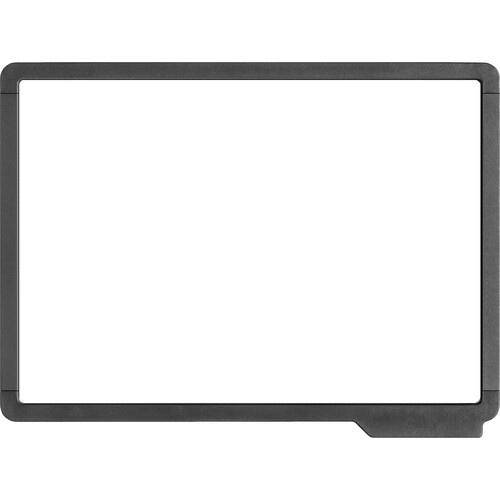
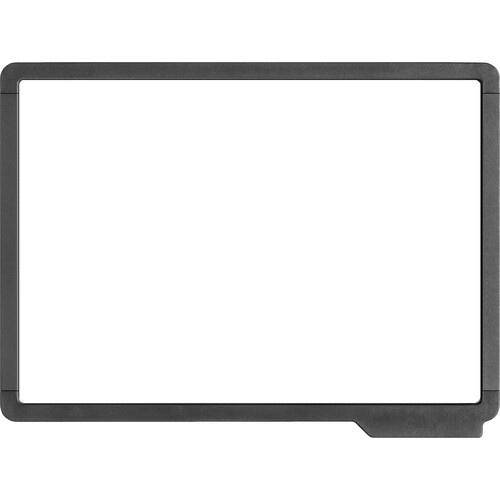
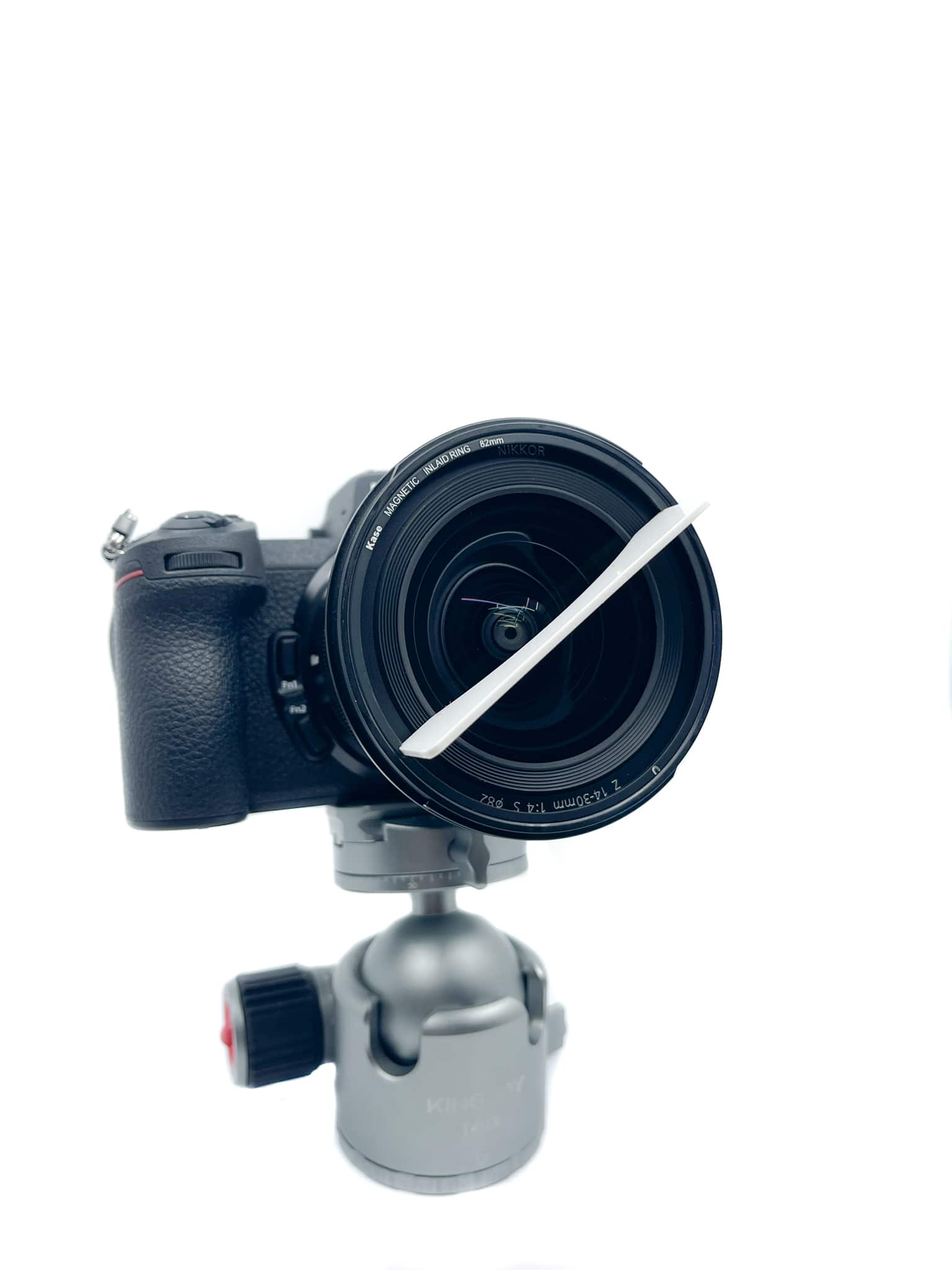
Kase Precision Focus Tool 100x100mm służy przede wszystkim do pomocy w ustawianiu ostrości na jasnych obiektach w nocy. Dokładne działanie można zobaczyć na obrazach przedmiotów. Rozmiary: 100 x 100 mm Materiał: tworzywo sztuczne Pamiętaj, że oferujemy również zestaw składający się z neutralnego filtra nocnego o wymiarach 100 x 100 mm i narzędzia do precyzyjnego ustawiania ostrości.
możliwe zamówienie w przedsprzedaży
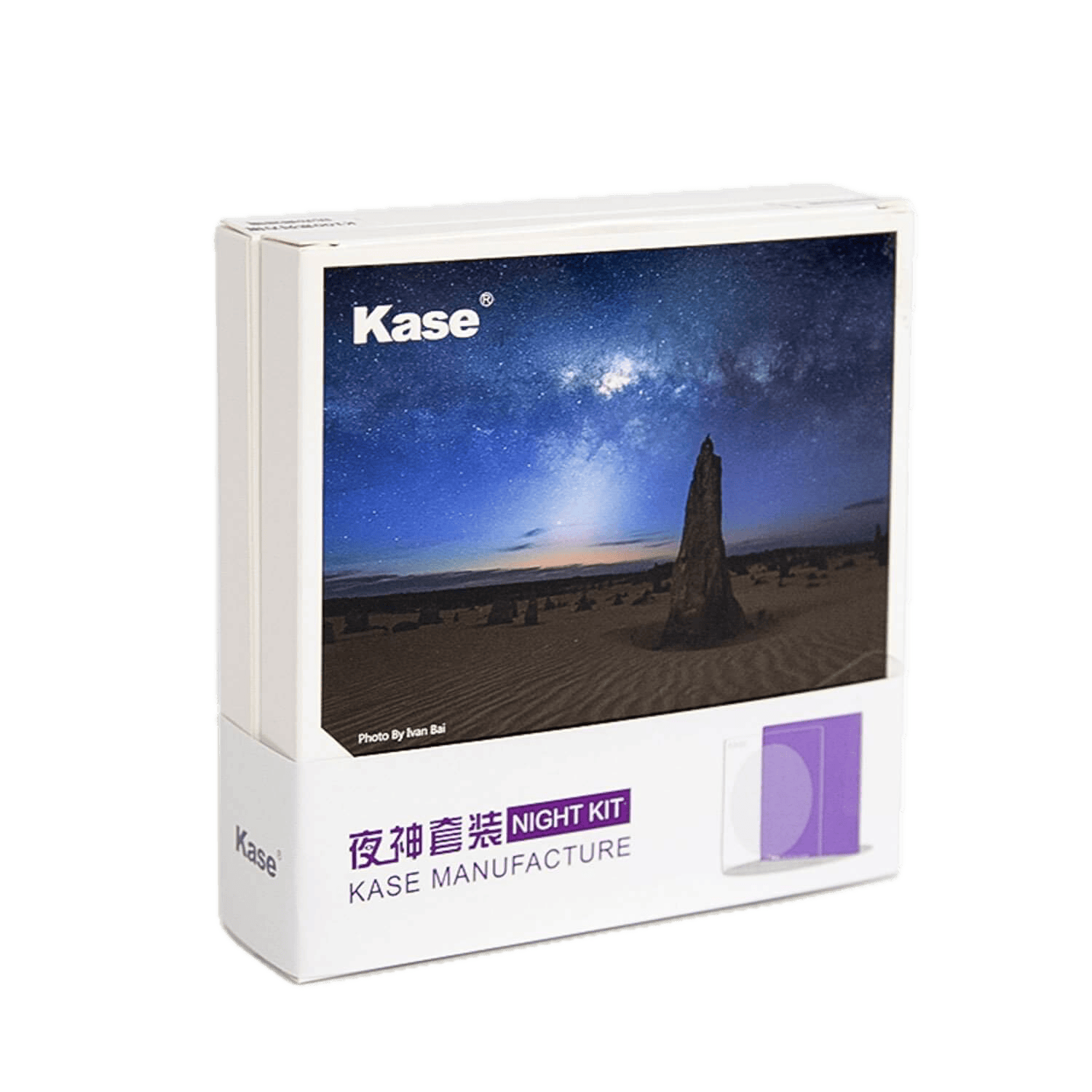
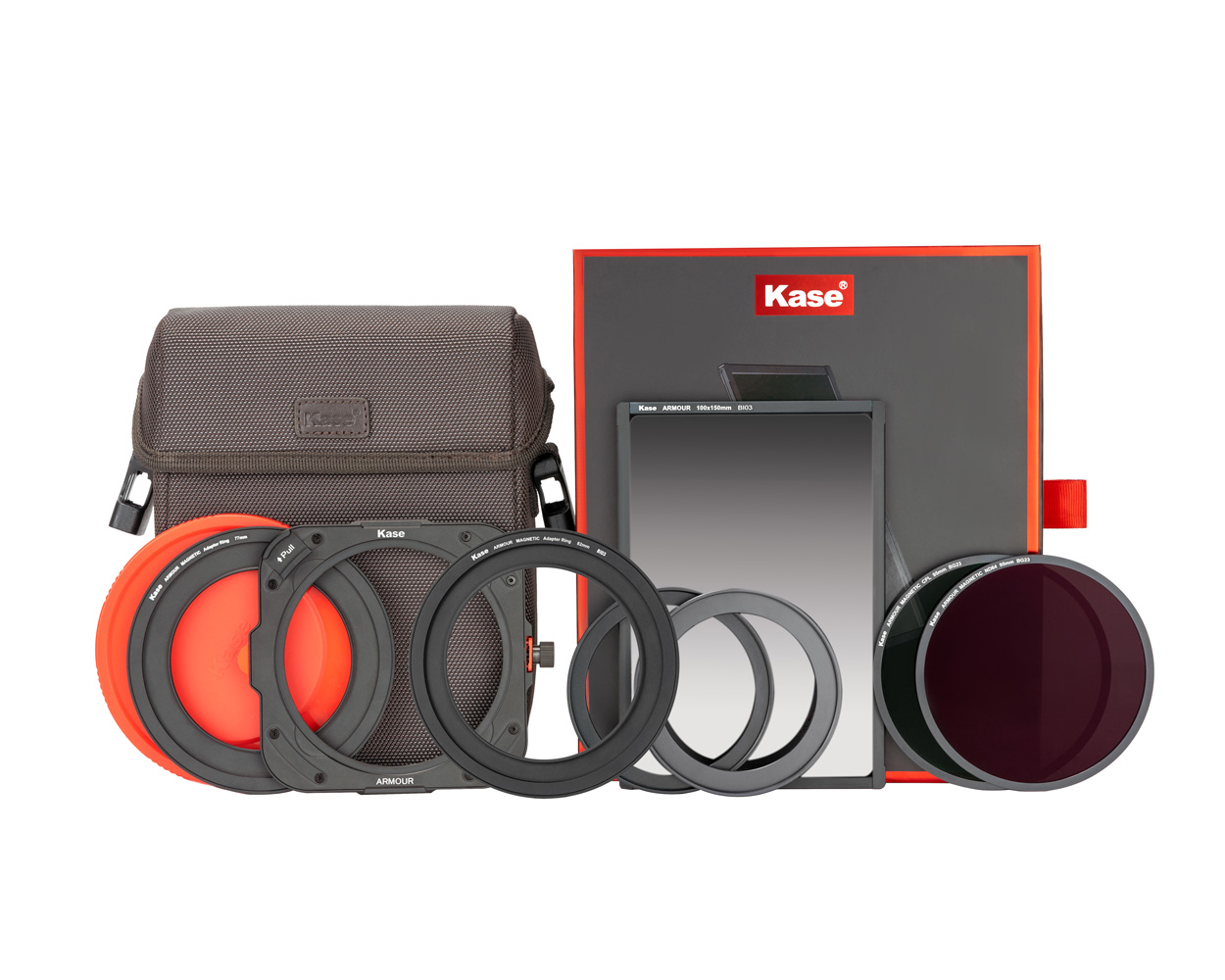
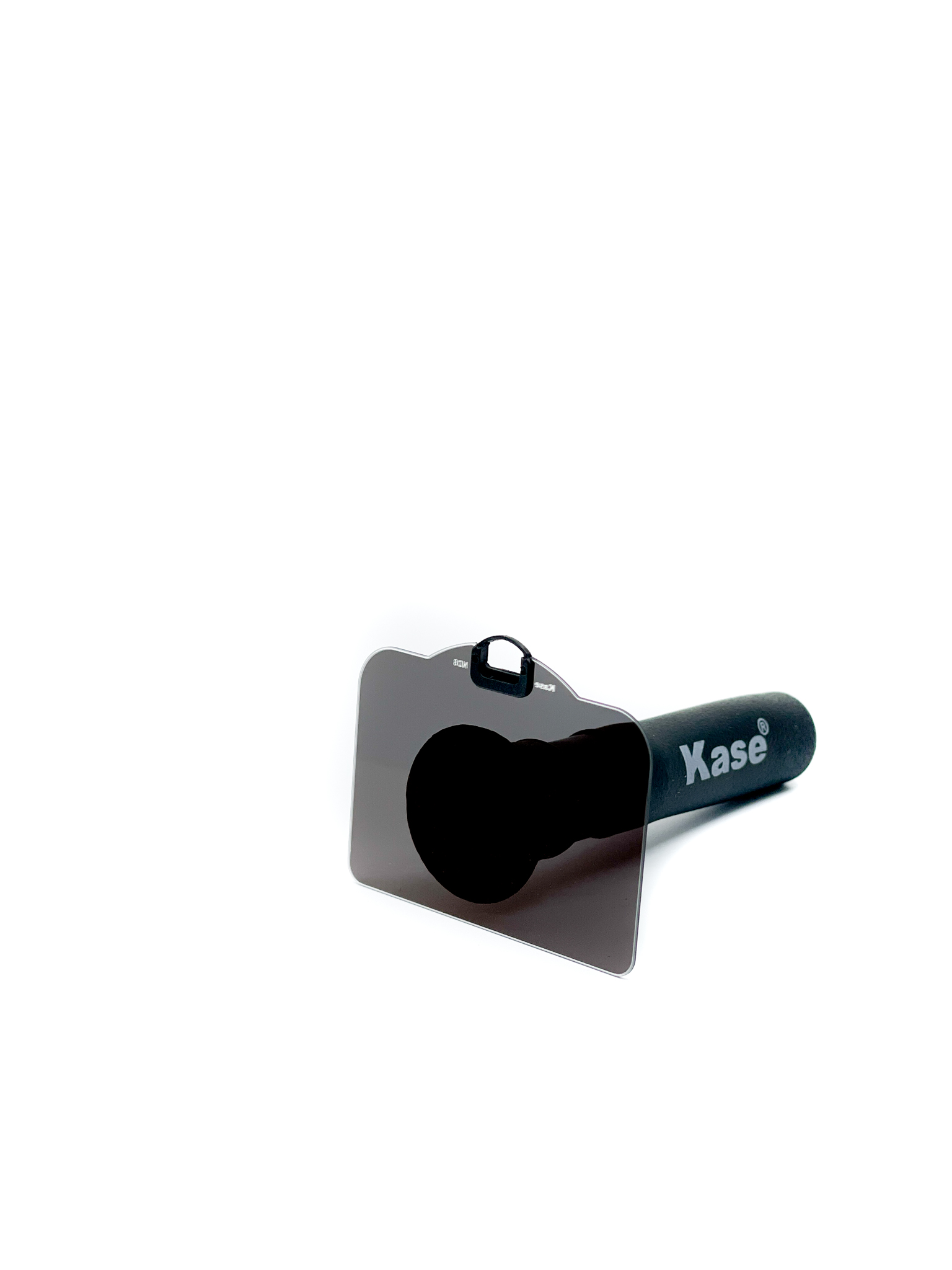
Zestaw Kase Wolverine Night składa się z filtra astronomicznego Kase K100 Wolverine Light Pollution Astro (światło neutralne) i narzędzia do precyzyjnego ustawiania ostrości K100. Obydwa są kompatybilne z naszymi uchwytami na filtry 100 mm do filtrów o grubości 2 mm. Filtr zanieczyszczeń świetlnych Kase K100 Wolverine (światło neutralne) to filtr zanieczyszczeń świetlnych stosowany w celu zmniejszenia wpływu sztucznego światła podczas fotografowania w nocy. Podobnie jak w przypadku wszystkich filtrów Kase z serii Wolverine, możesz spodziewać się wysokiej jakości filtra Pro-Glass, który jest odporny na wstrząsy i łatwy do czyszczenia. Redukuje sztuczne światło Rozmiary: 100 x 100 mm Grubość szkła: 2 mm odporny na wstrząsy odporny na zarysowania Narzędzie Kase Night Focus zostało zaprojektowane, aby pomóc Ci ręcznie ustawić ostrość na źródłach światła w nocy. Mogą to być na przykład gwiazdy lub źródła sztucznego światła. Seria cienkich linii wyrytych na szklanej powierzchni pozwala skupić punkt świetlny. Po prostu umieść narzędzie Night Focus w uchwycie filtra, ustaw ostrość ręcznie, wyjmij narzędzie Night Focus i, jeśli to konieczne, umieść filtr zanieczyszczeń świetlnych Kase K100 Wolverine przed „zanieczyszczeniem świetlnym”.
możliwe zamówienie w przedsprzedaży