





.jpg?width=3000)


.jpg?width=3000)


.jpg?width=3000)



Asto Filter - The Secrets of the Galax
The Milky Way, double stars, planetary nebulae, .... The list of celestial objects is endless. Anyone with the right equipment is now able to take pictures of impressive astronomical objects. No wonder astrophotography is popular with both amateur and professional photographers. But anyone who has ever photographed stars or other celestial objects knows light pollution. Cloudy recordings, no contrasts and yellowish color casts. Even with a short exposure time, the sky appears bright. Light smog has a negative effect on the quality of the recordings and can take the fun out of night photography. With the Astro Filter, the joy of astrophotography comes back. This requires the right equipment and certain conditions.
What is astrophotography?
Astrophotography deals with astronomical objects such as the Milky Way, galaxies and elements of the solar system that cannot be seen with the human eye. Due to advances in technology, observations of the galaxies are also possible for laypeople.
What equipment do I need for astrophotography?
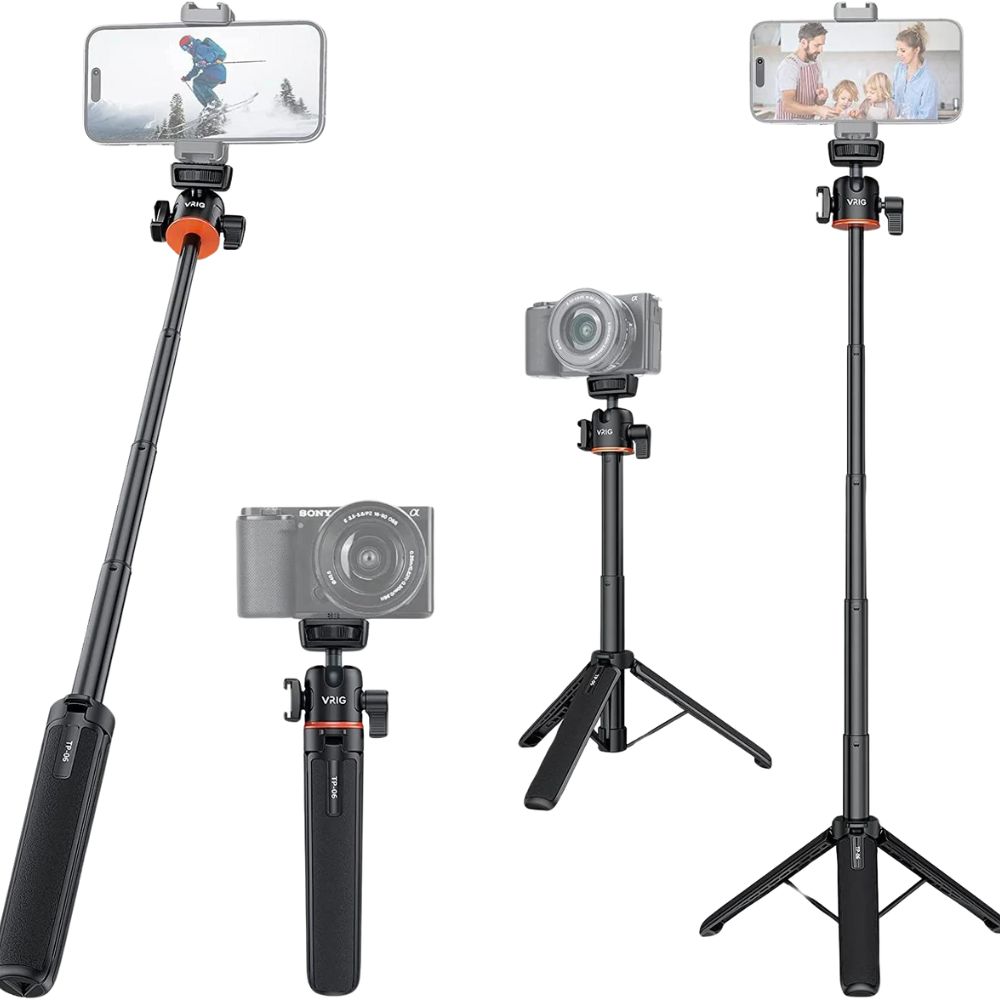
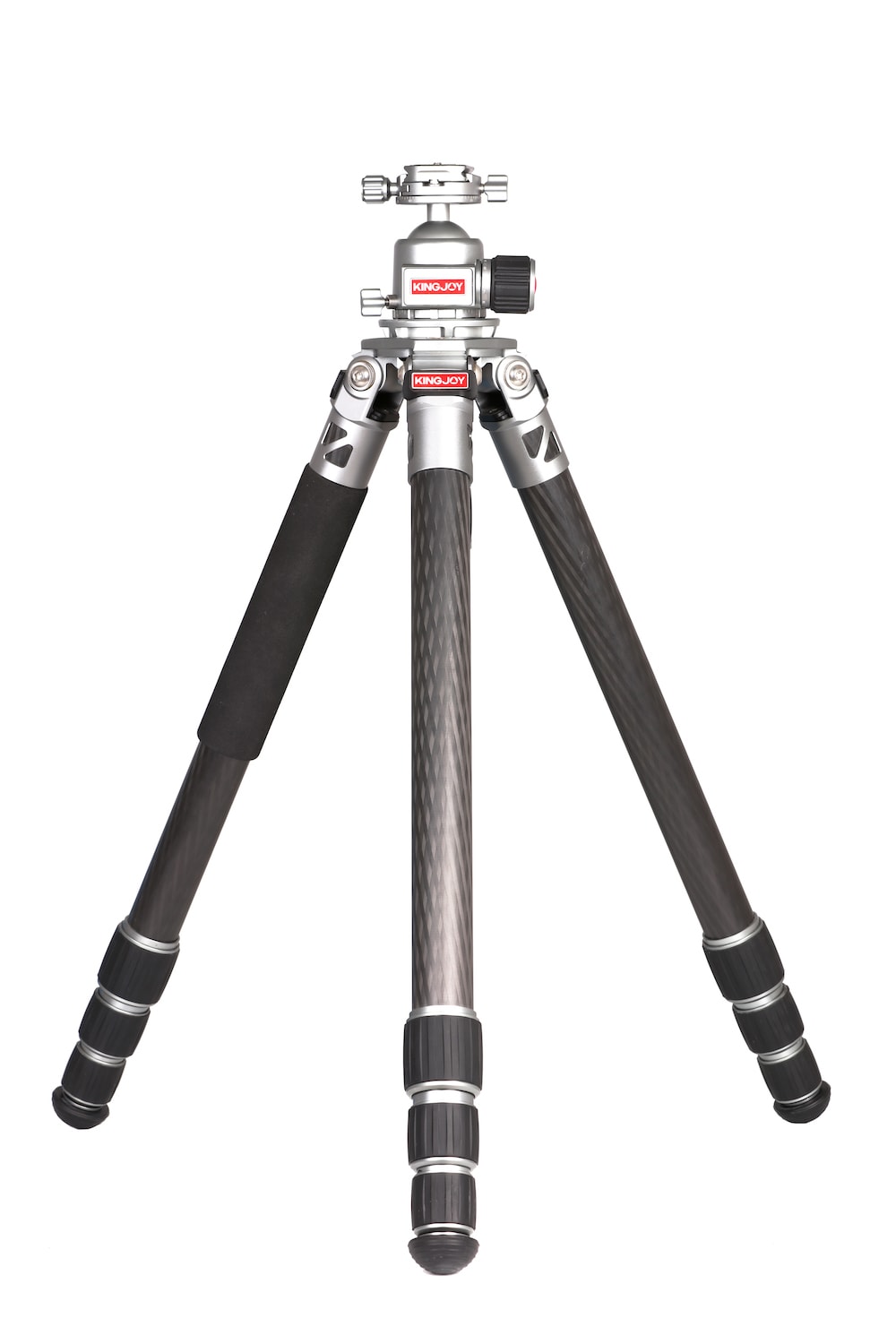
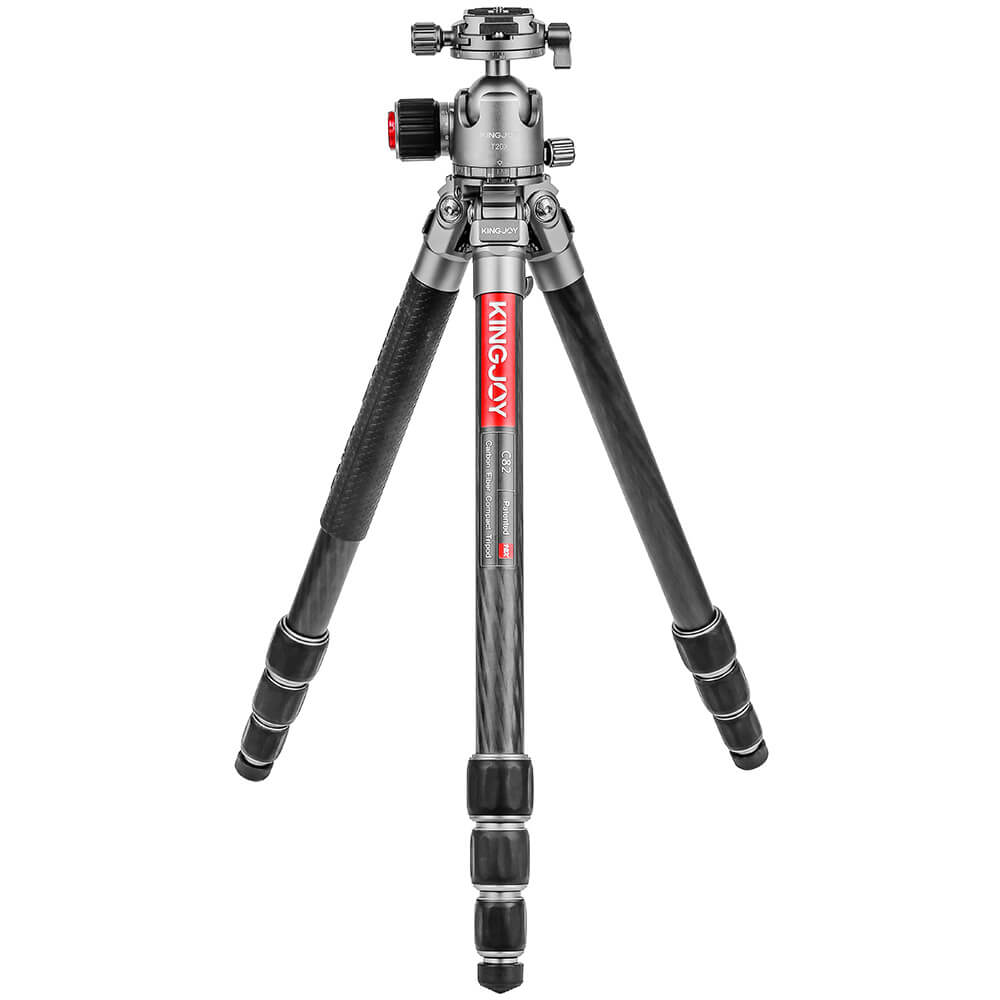
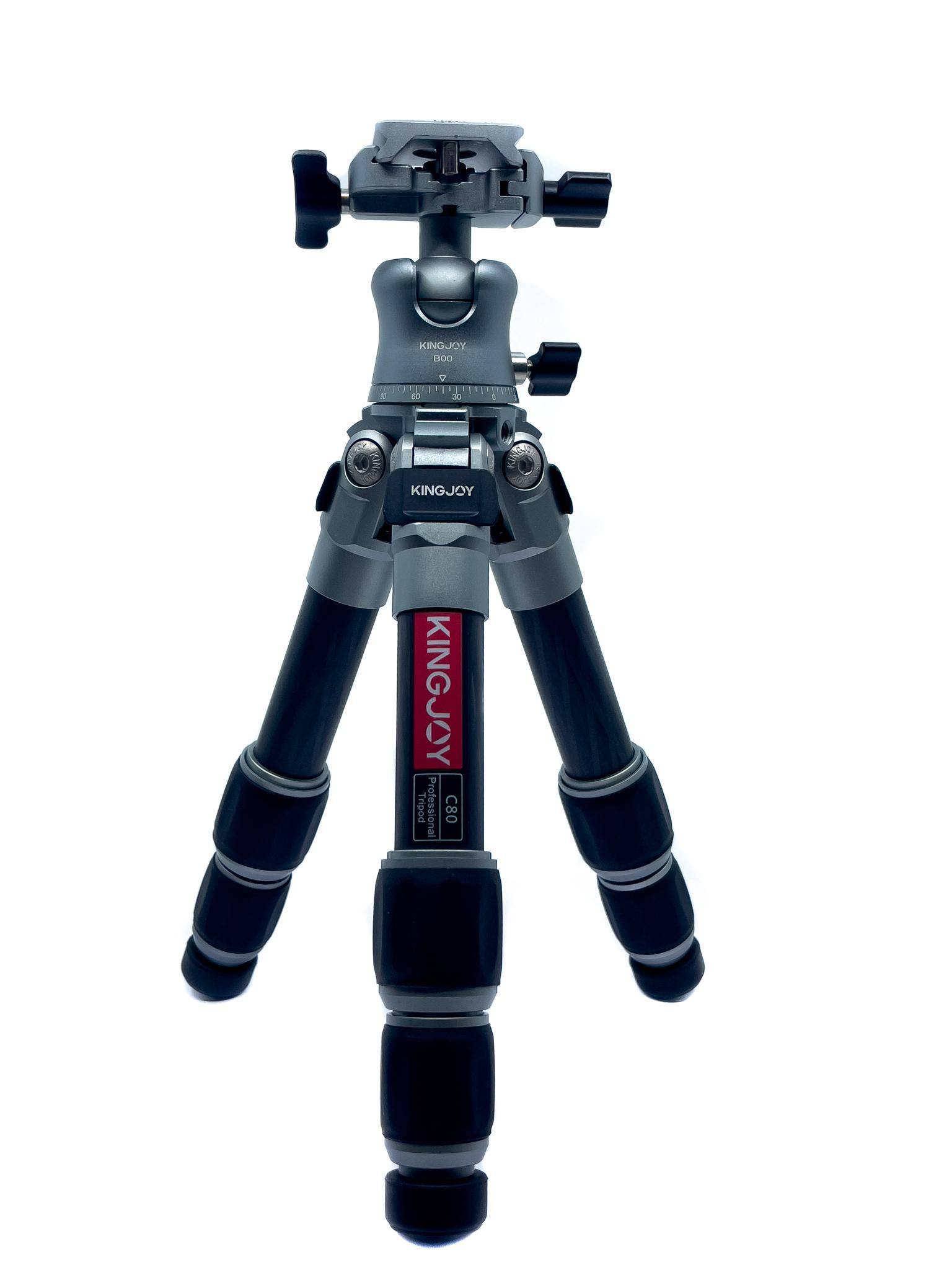
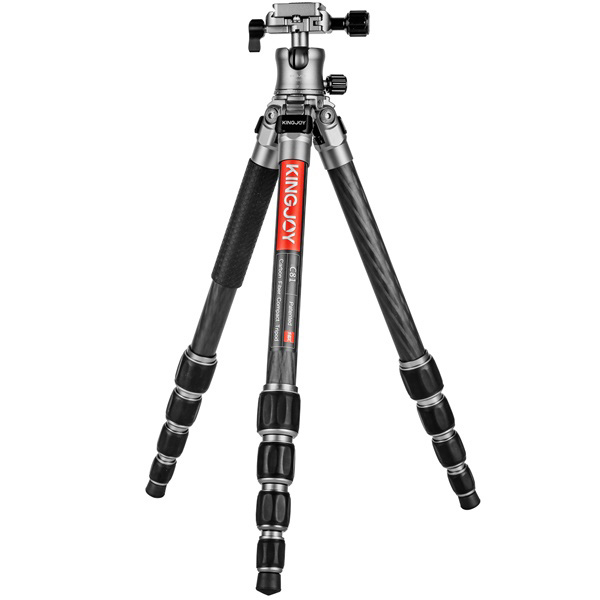
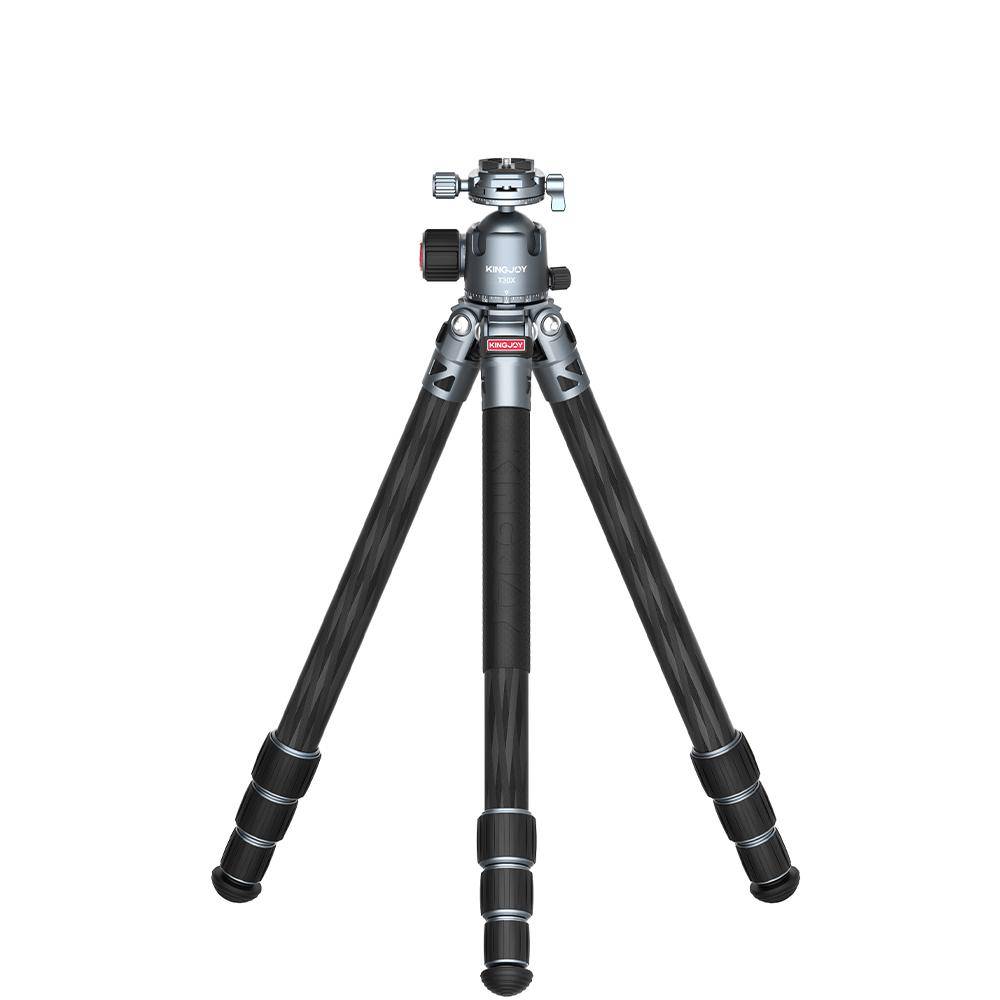
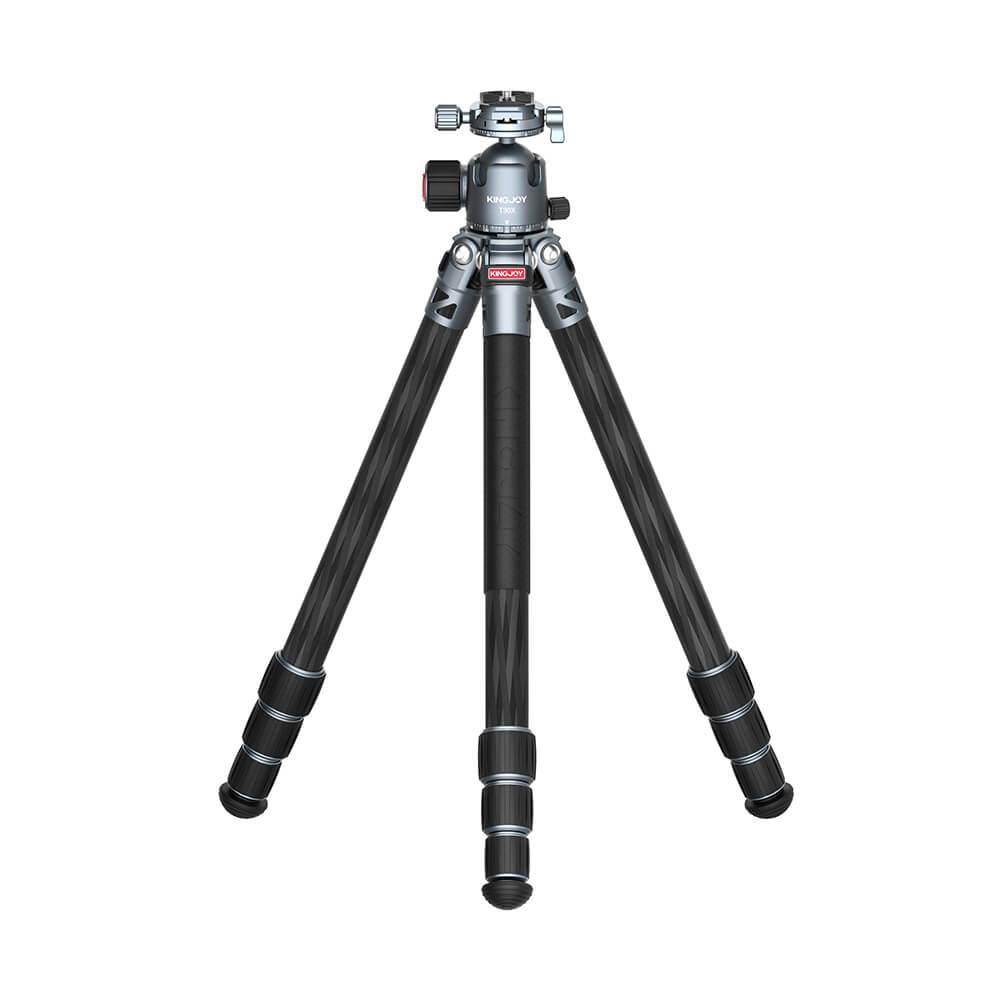
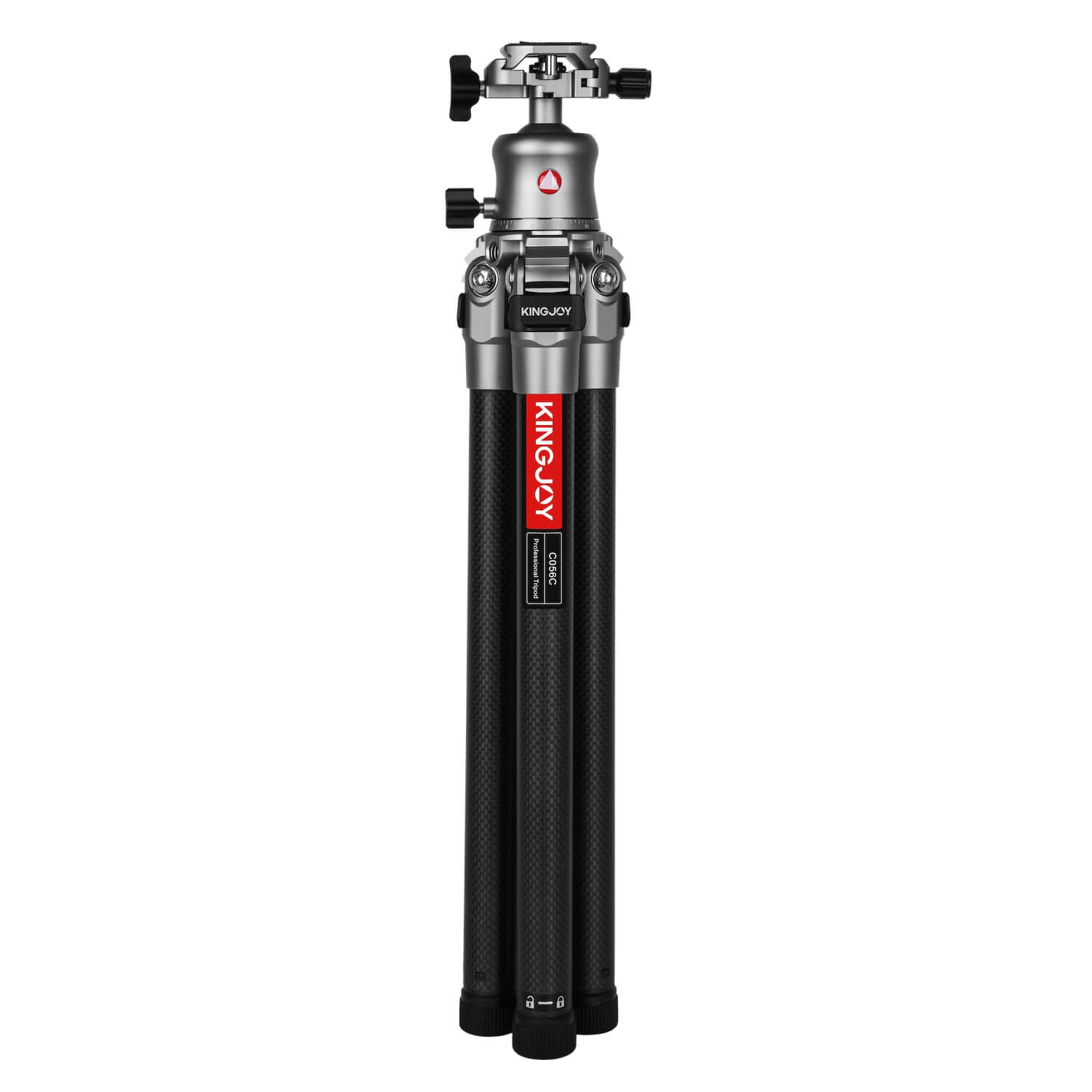
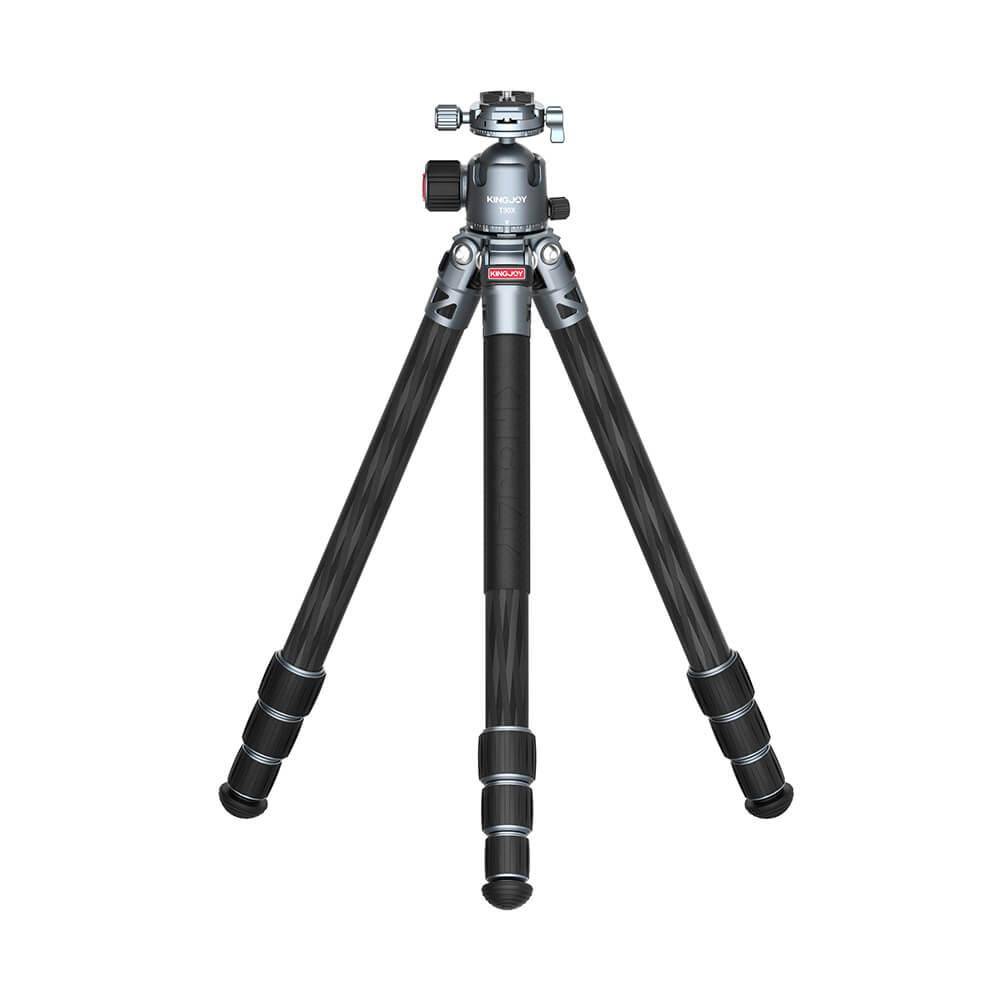
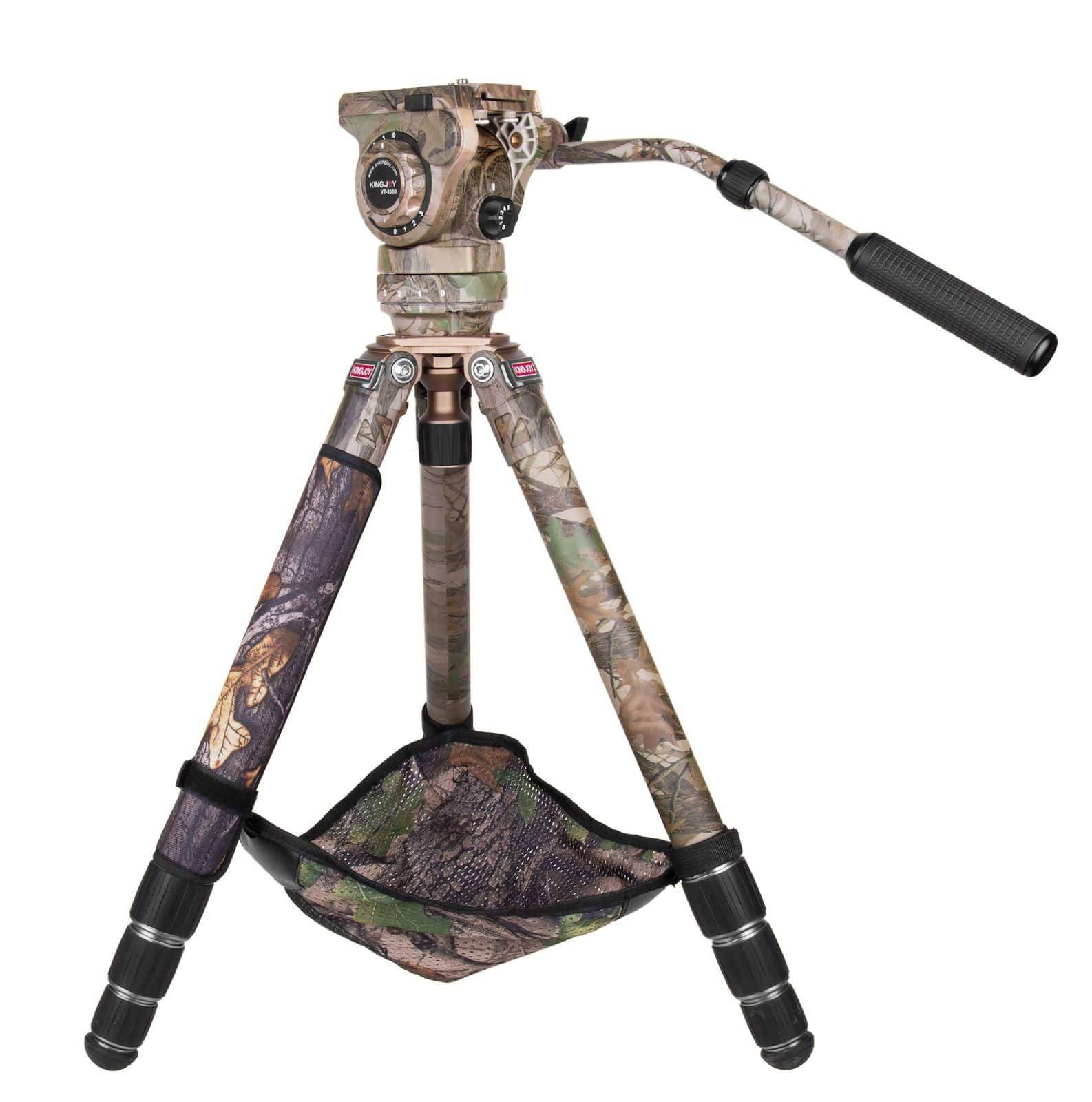
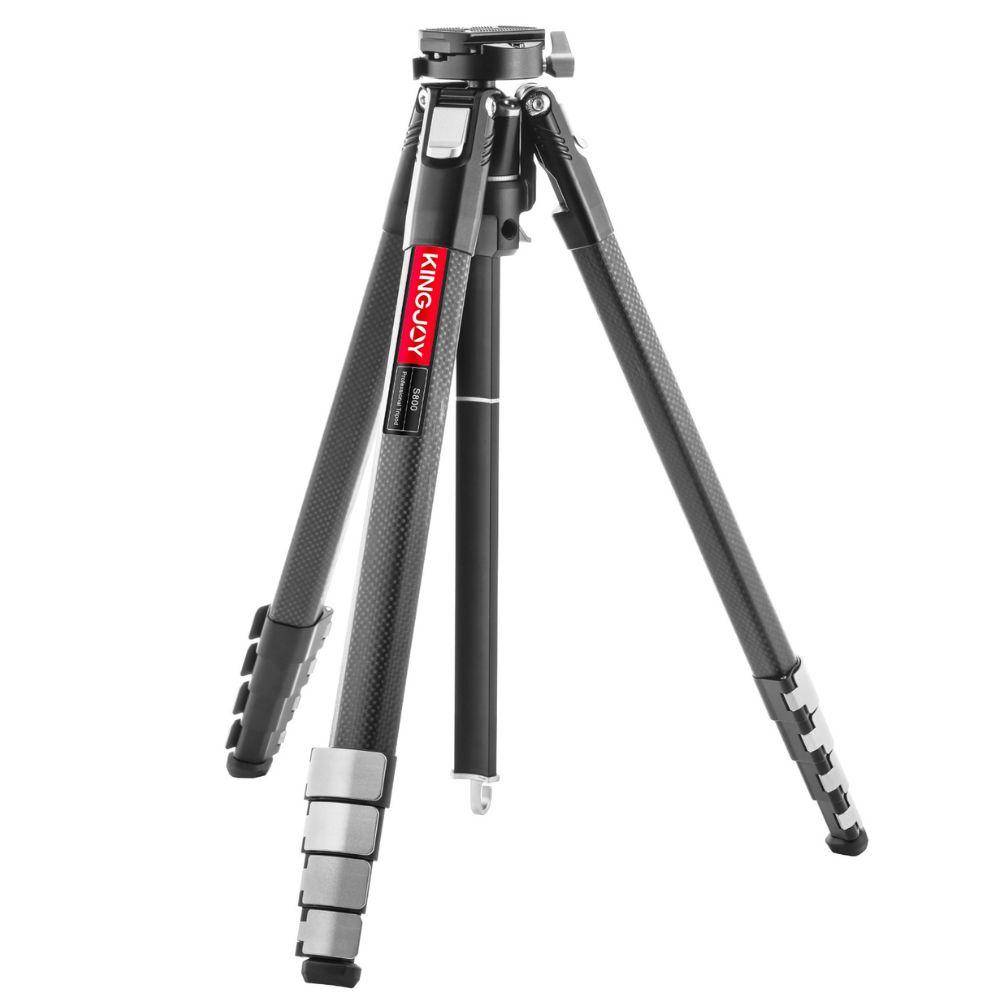
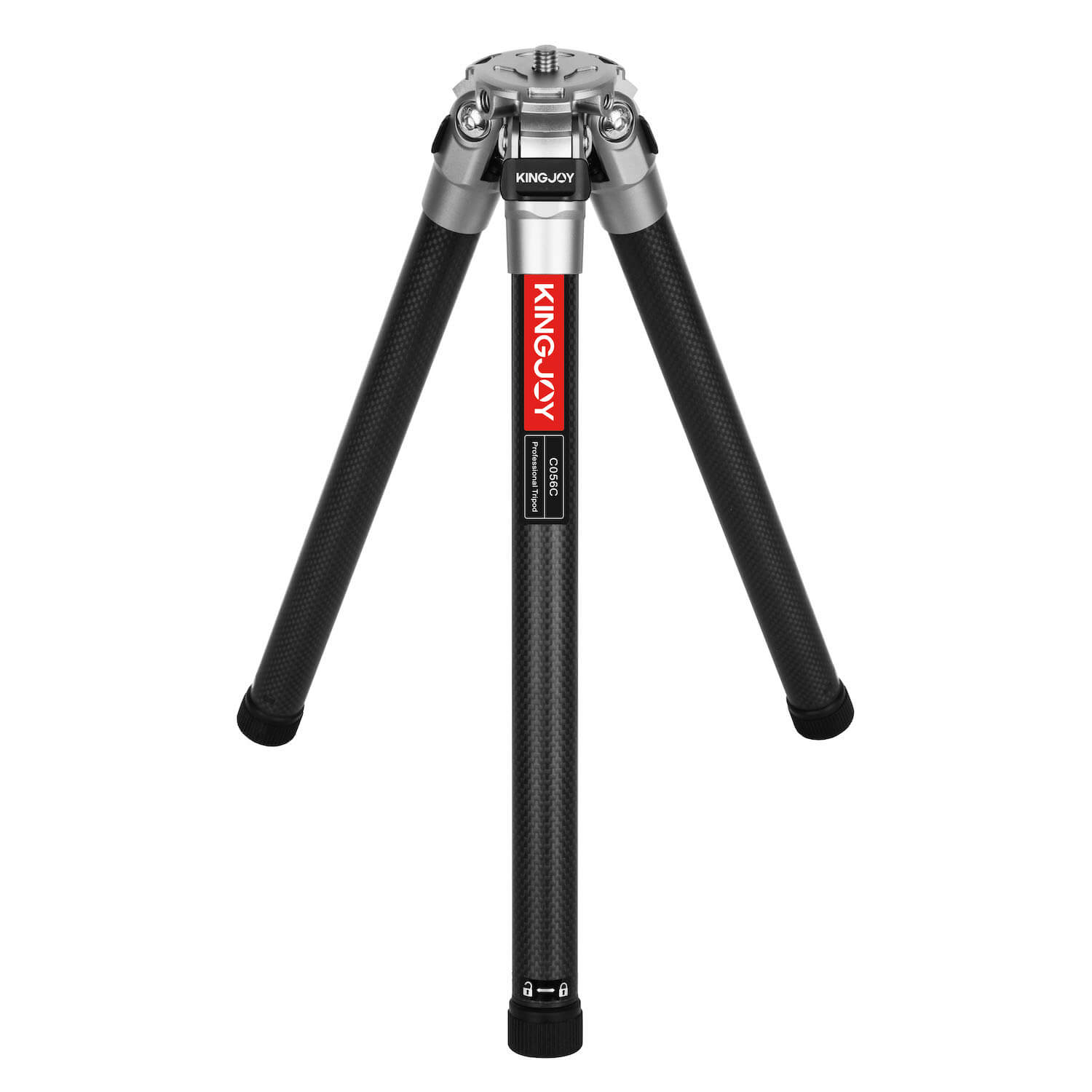
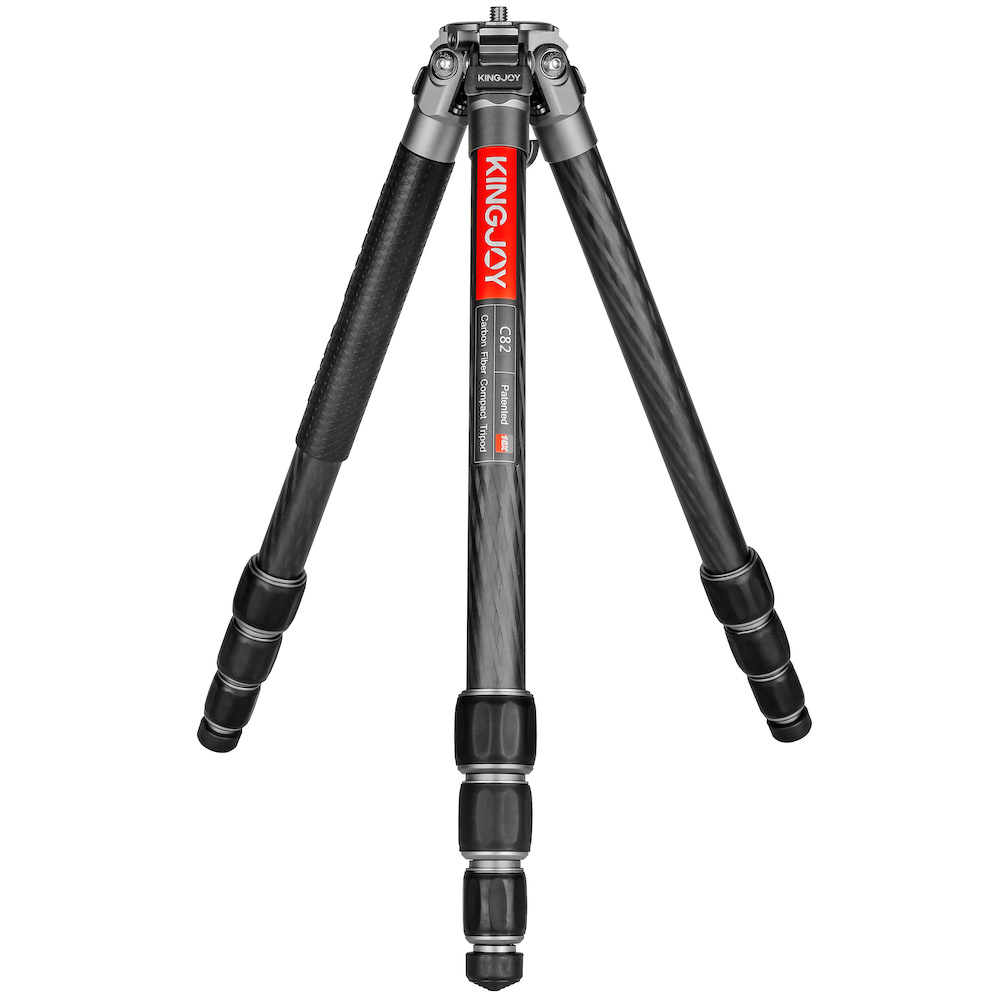
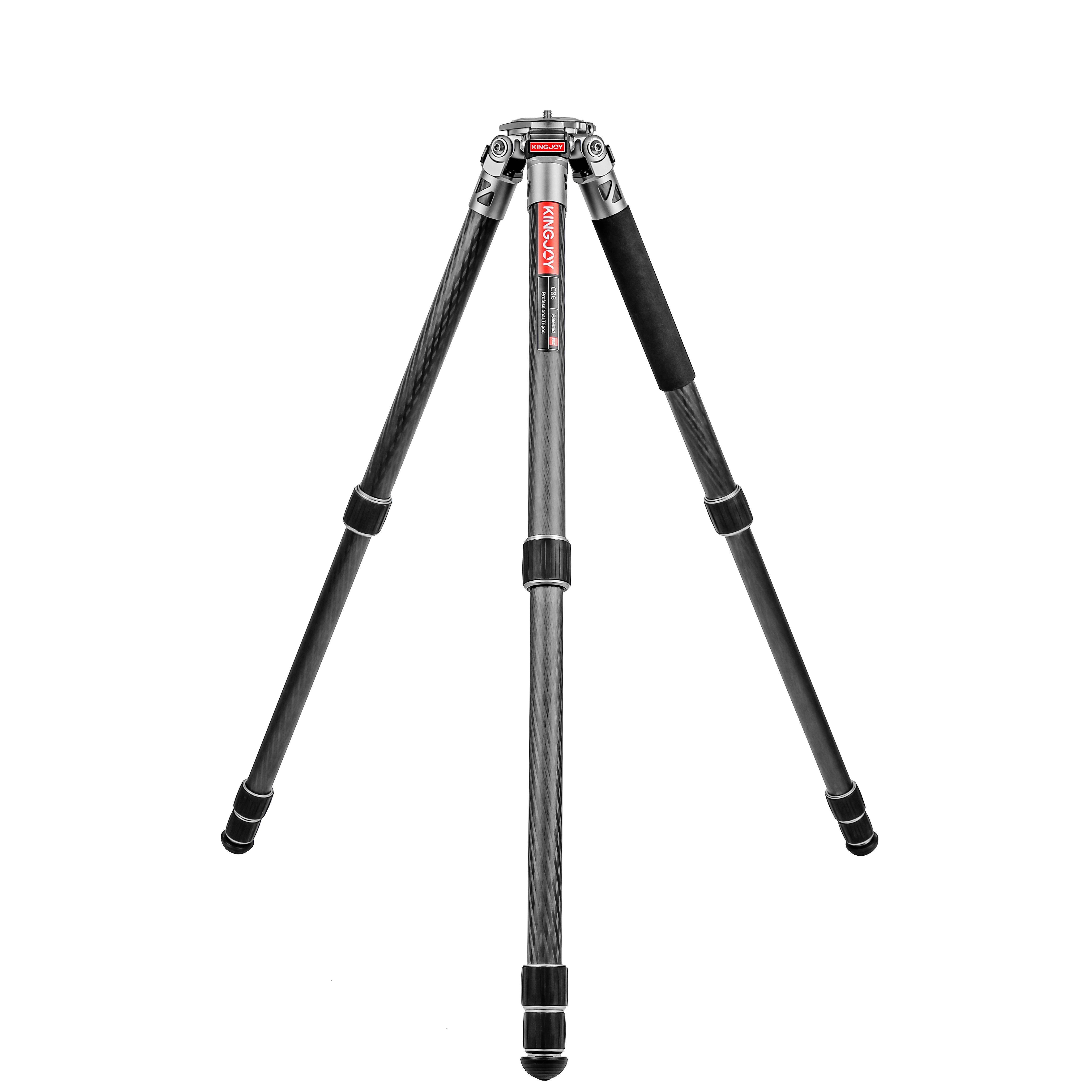
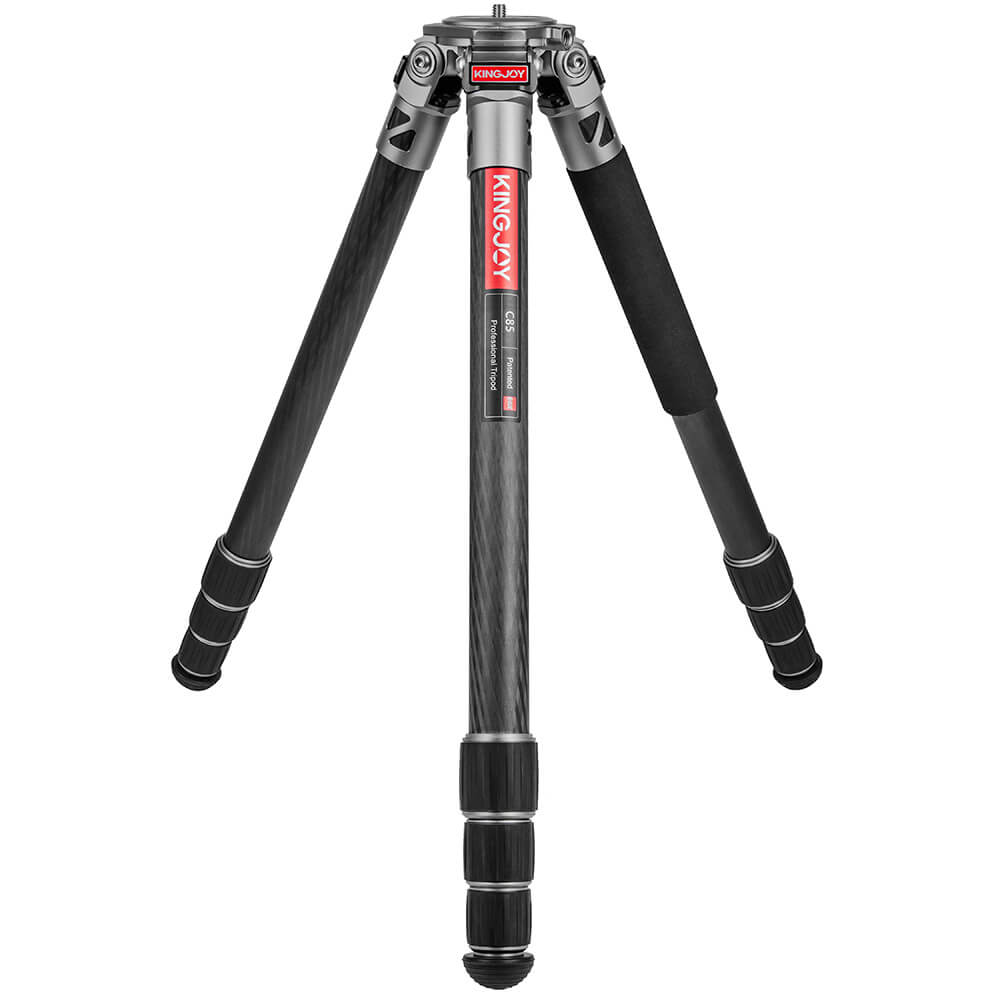
Before you can start, you should first check whether the memory card has enough space, the camera is charged and whether the lens is in perfect condition. A tripod is a prerequisite for photographing celestial objects.
Factors influencing astrophotography
Before you can start photographing the celestial objects, the following things must be observed
moon phases
The moon also has an influence on the recordings of astronomical objects. Therefore, attention should be paid to the phases of the moon, as this influences the quality of the recordings. This is due to the brightness that the moon radiates and makes some objects practically disappear. So the full moon should be avoided and instead photographed on days when there is a new moon. Good pictures can also be taken when the moon has not yet risen. However, this varies from time of day to time and the new moon phases are definitely more predictable.
weather
The weather conditions also have an effect on the image quality. If you want to take particularly expressive pictures, you should take pictures when the sky is clear and cloudless. This makes the stars stand out much better. Clouds in particular can become a disruptive factor because they block visibility and reflect ambient light.
What is light pollution and how does it occur?
The light from artificial light sources enters the atmosphere and causes light pollution. The night sky is therefore brighter and objects from the atmosphere can hardly or not at all be recognized. Light pollution is so extreme, especially over cities, that it is called a dome light. City and metropolitan area lights travel long distances, so the rays of light reflect off the night sky. Due to the dense population, cities show the intensity of light pollution. Industrialization and the growing population are therefore causes of light pollution. Regarding the environment, light pollution is one form of environmental pollution. The lack of darkness has an impact on humans and the animal and plant kingdoms. This is a worldwide problem.
This light pollution has bad effects for astronomical research. The large Orion Nebula or the Milky Way are among the faint astronomy objects and can no longer be observed. Therefore, it is worth finding out where low-light areas are in order to achieve the best possible astronomy photos.
What does an Astro Neutral Night Filter do?
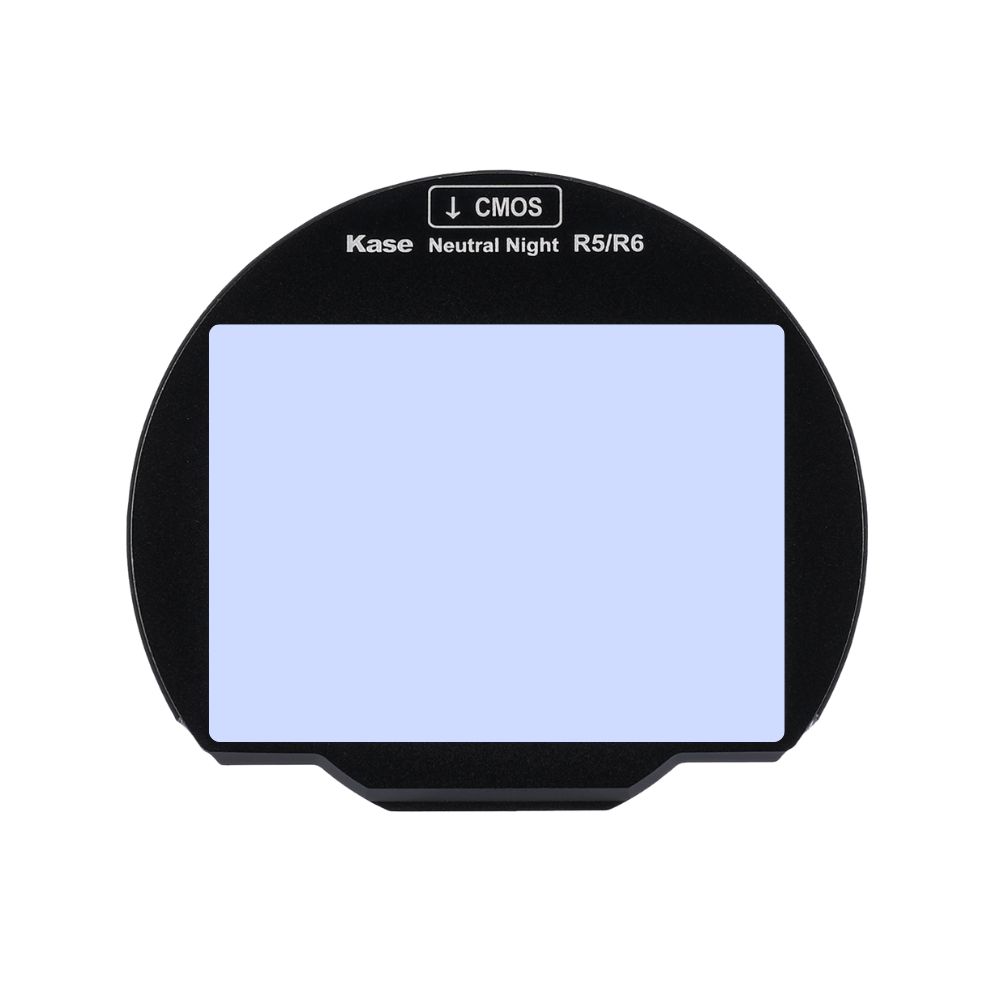
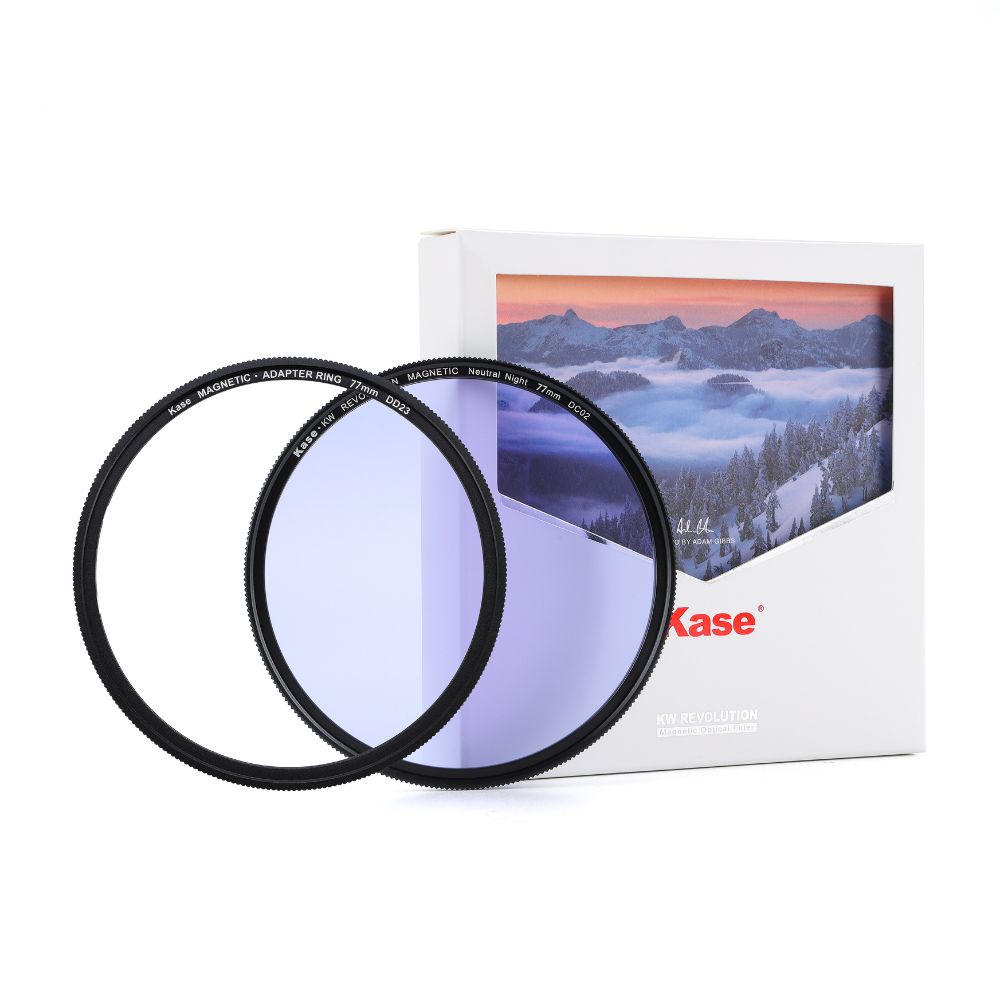
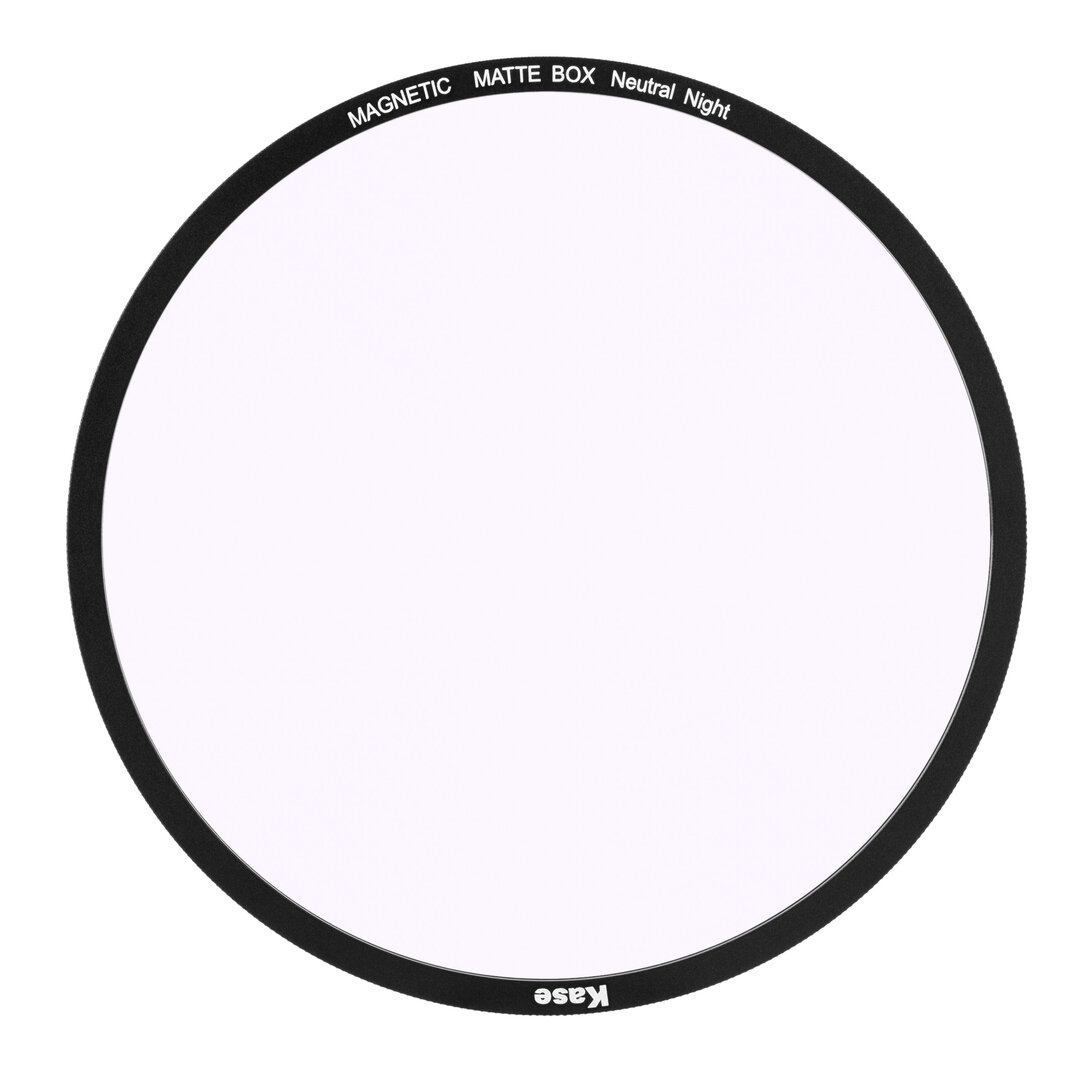
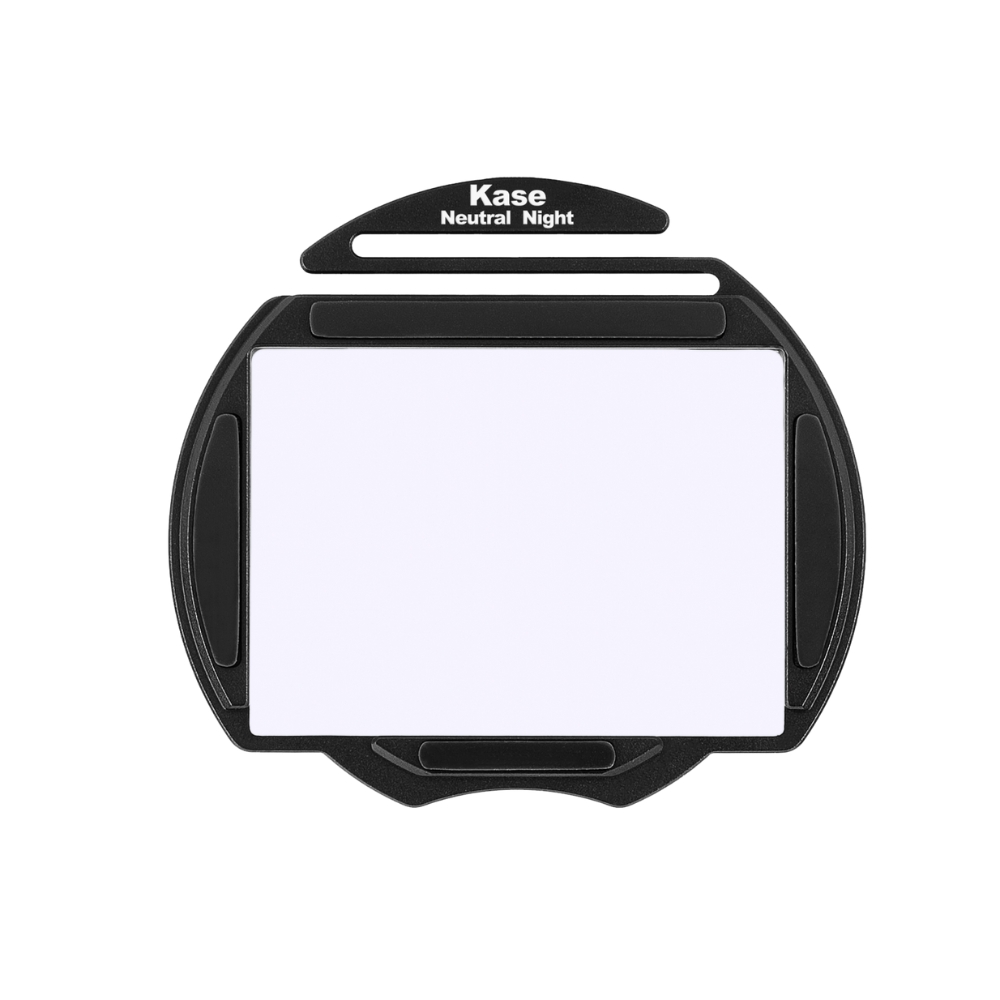
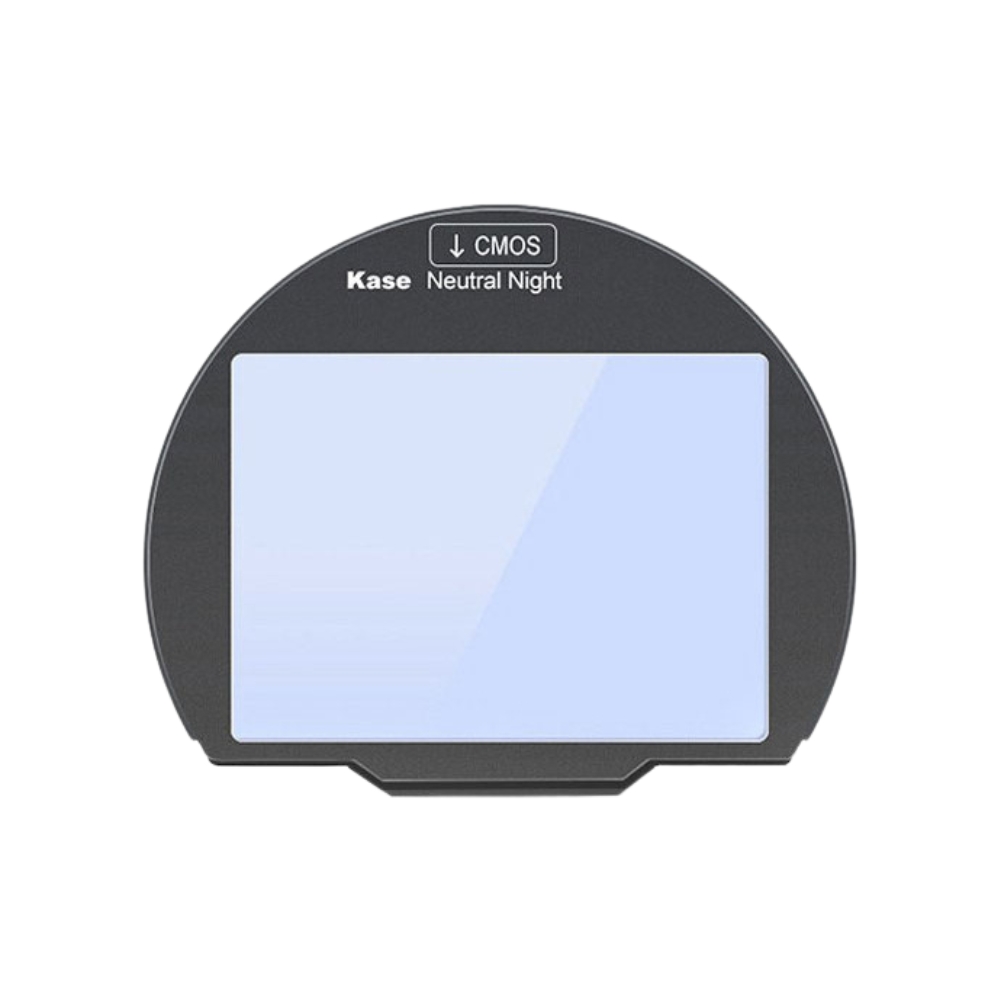
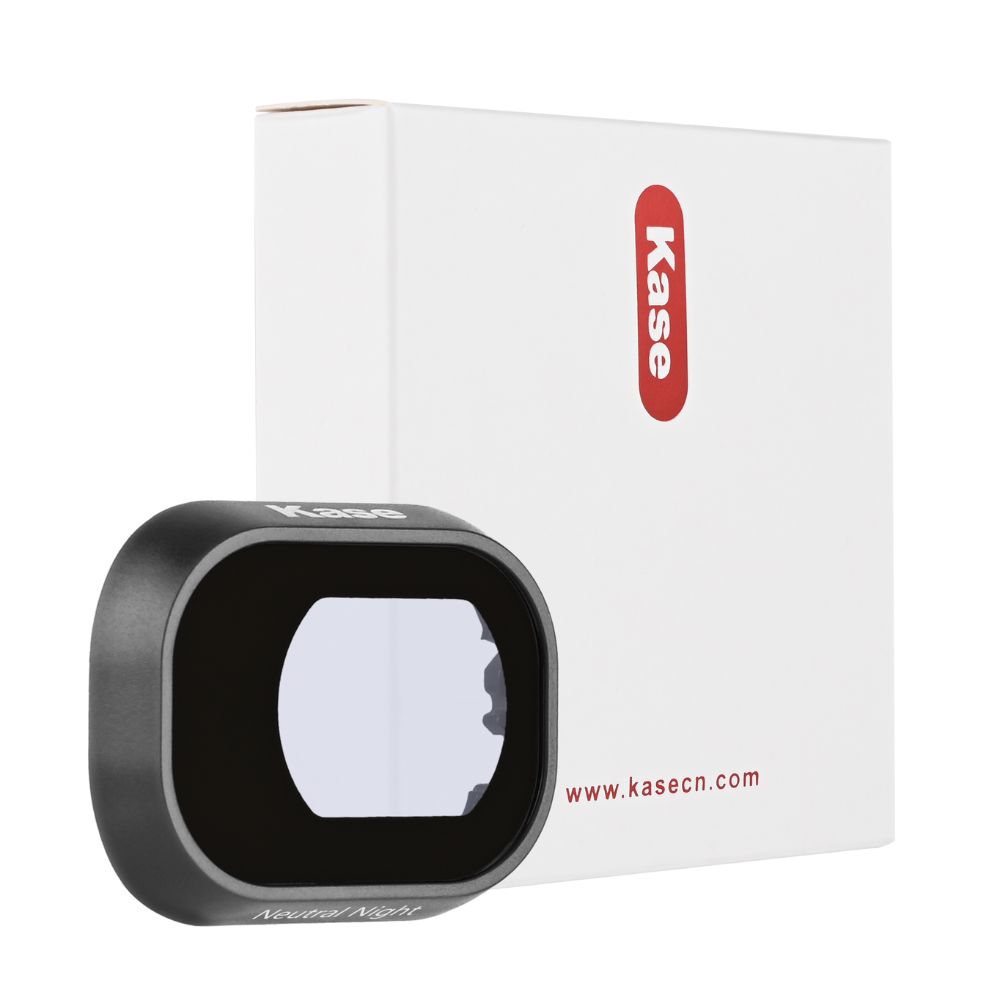
Light waves are the cause of light pollution. These are blocked by the Neutral Night Filter. The filter is a useful tool, especially in astrophotography or for country and city shots at night. But how exactly do the astro filters work?
Broad band filters and narrow band filters are tools to prevent the light pollution. The broadband filter lets through large wavelength ranges that absorb wavelengths from artificial light sources. Sodium vapor lamps and mercury vapor lamps are usually responsible for a brown/yellow stripe on the pictures. They are used for Light Pullotion Reduction and are abbreviated to LPR. Other terms are clear sky filters or city light filters. The aim of the broadband filter is to block stray lights and allow objects such as stars, galaxies, etc. Narrow band filter is ideal for capturing the emission nebula. Here, only an exact range of wavelengths is permitted.
The electromagnetic spectrum varies from light source to light source. The color spectrum is visible to humans. H-alpha radiation is the most powerful wavelength that a human can detect, a camera cannot. Digital cameras have an integrated UV blocking filter, so that good color intensity is guaranteed during the day and the colors of the horizon cannot be seen in the evening. Not all objects on the horizon have the same H-alpha radiation, so some celestial objects are easier to see than others.
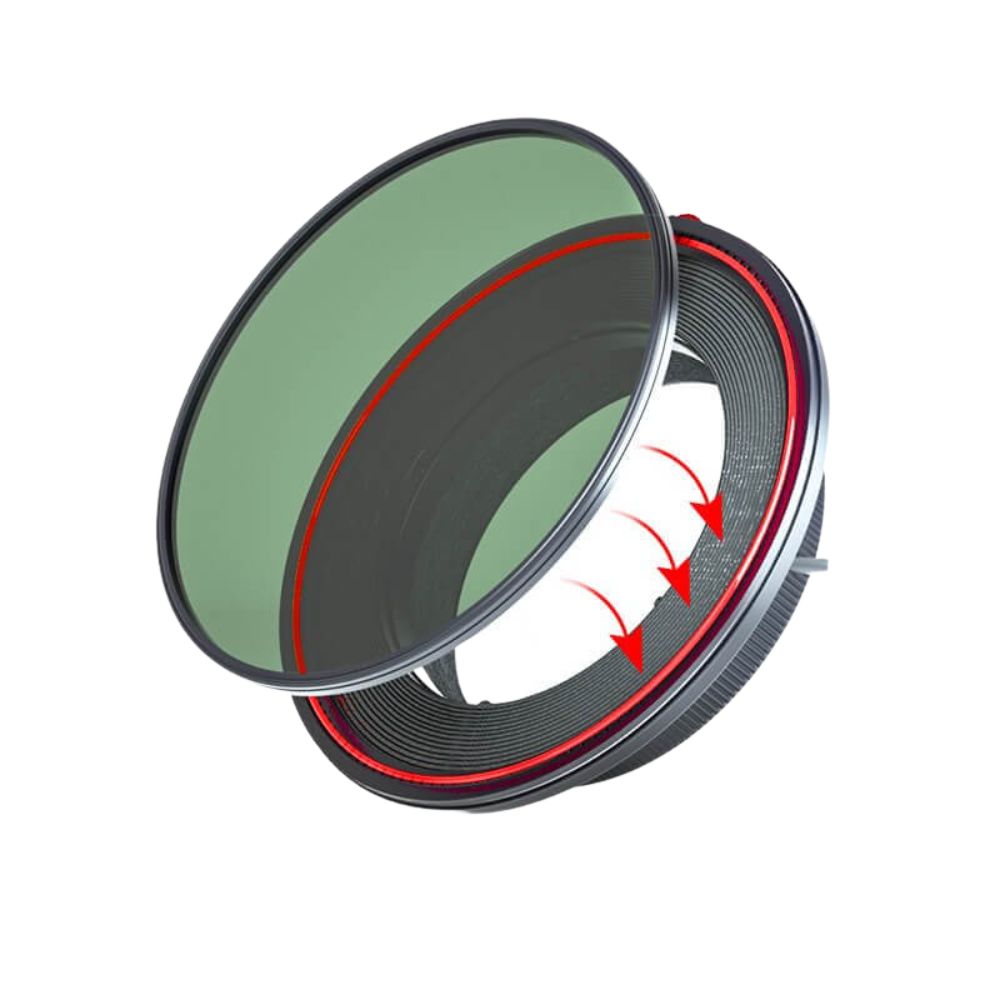
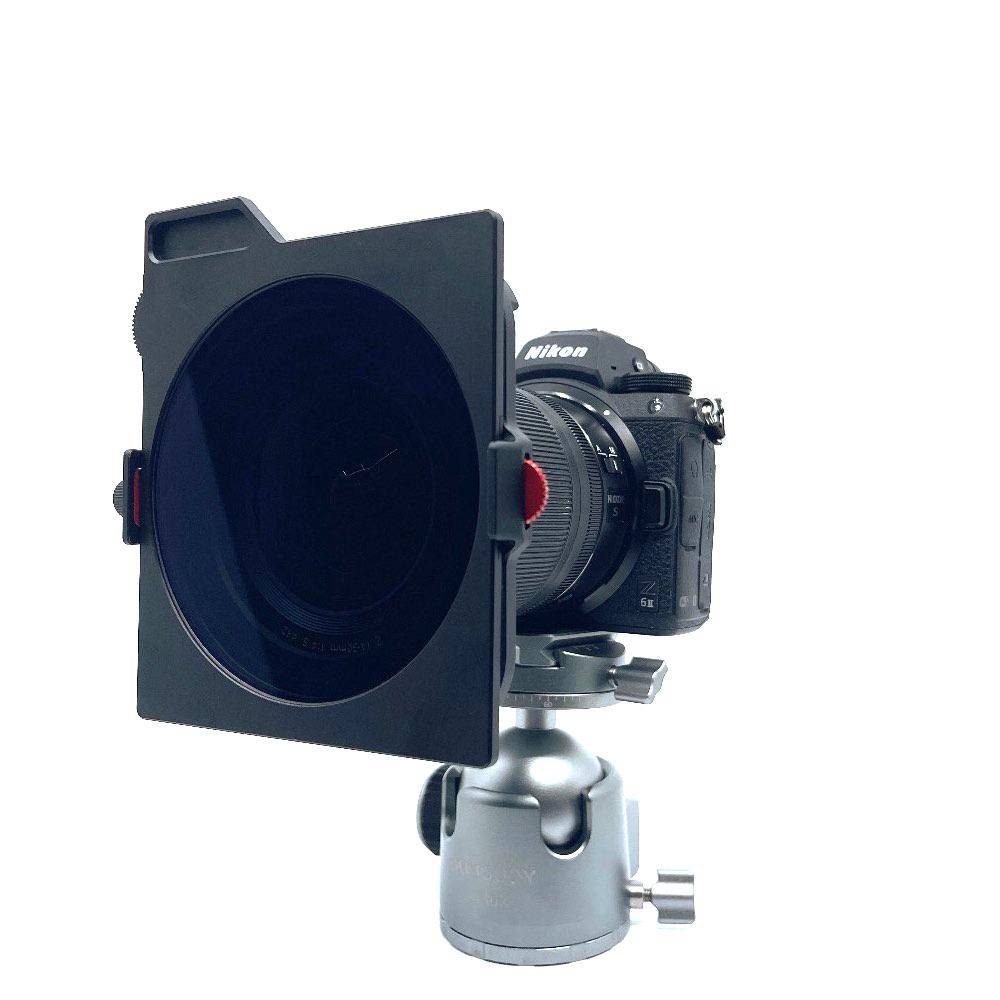
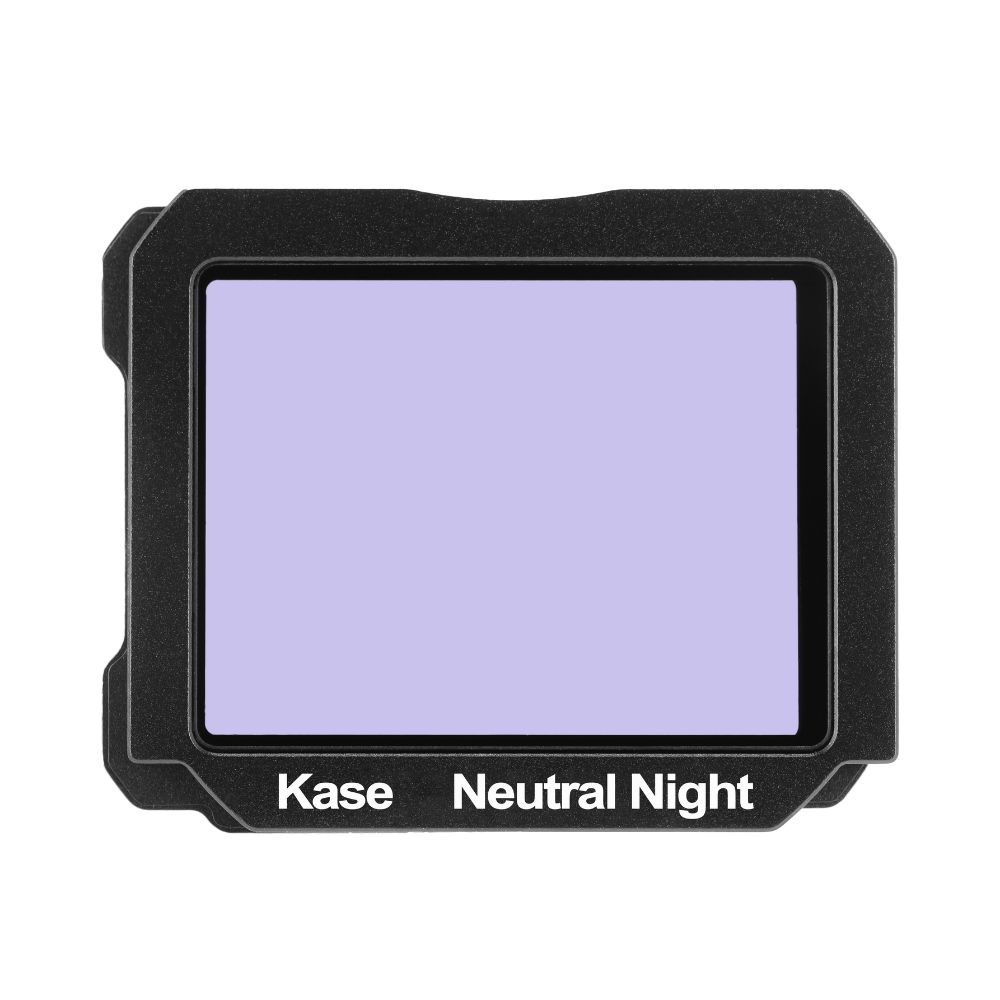
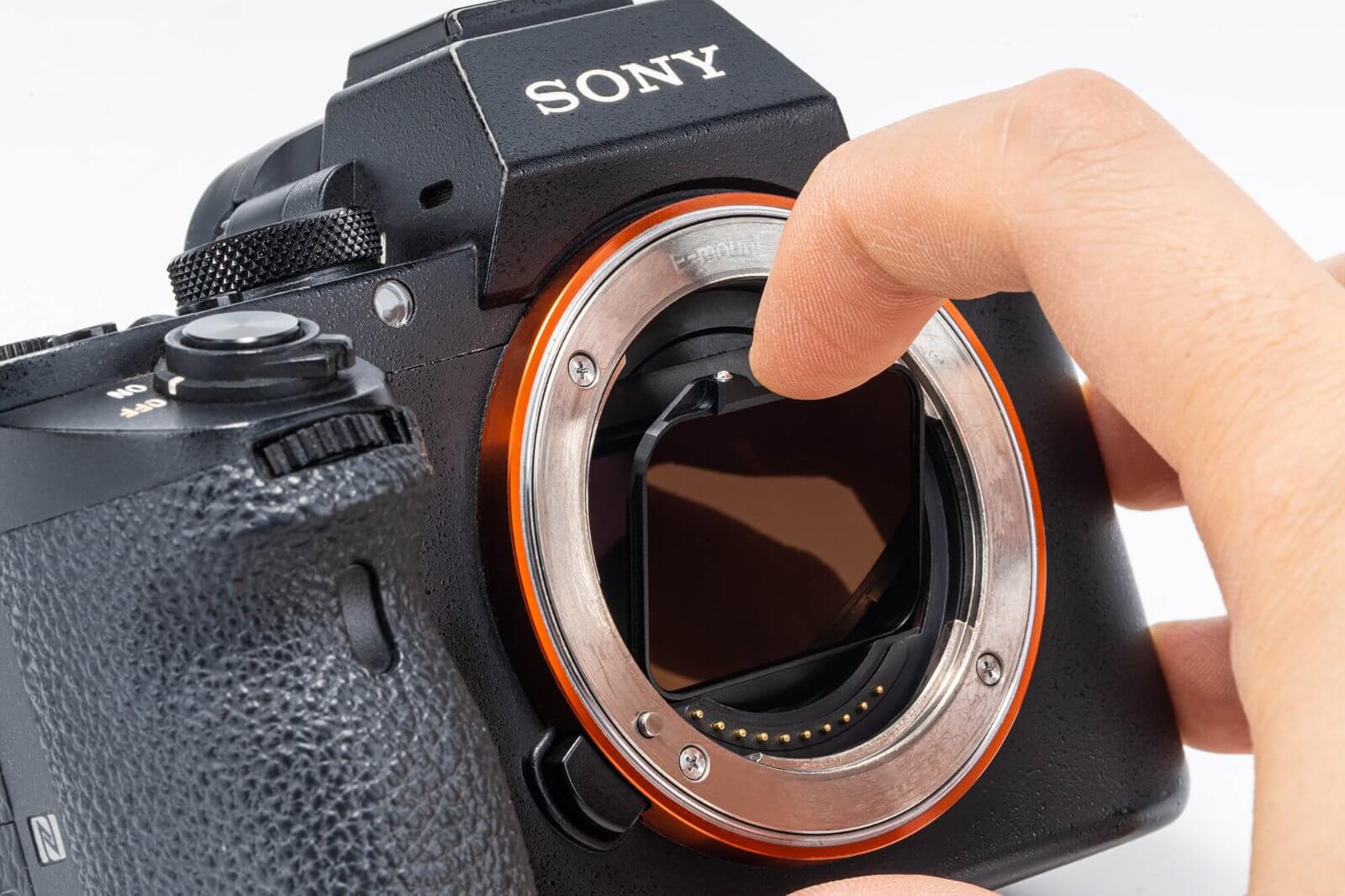
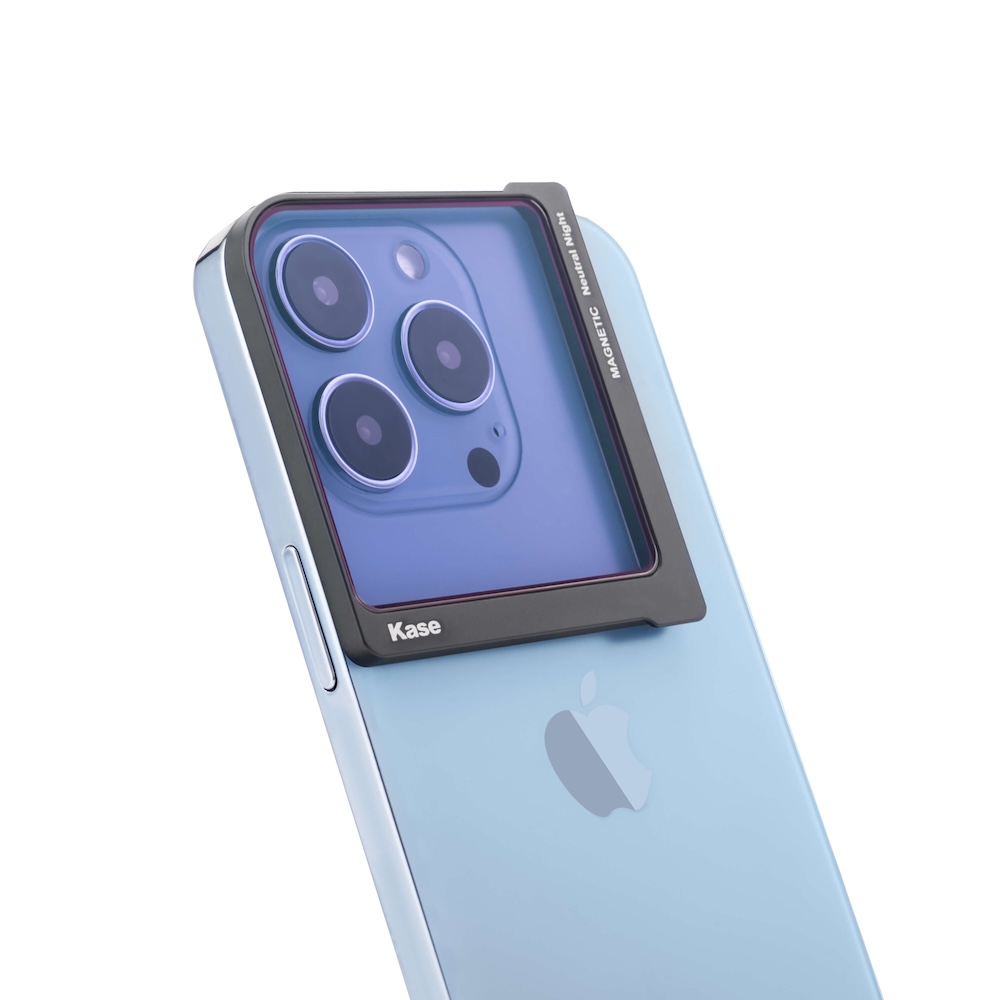
Astro filters are screwed in front of the camera lens. Astrophotography images without filters have green/yellowish color accents and are cloudy/unclear. The Astro Neutral Night Filter improves contrasts and ensures clear recordings without disturbing color accents.
Photograph the Milky Way
What is the Milky Way? The Milky Way is also known by the word galaxy. It is the galaxy in which our solar system occurs with the earth. It looks like a milky white band. In fact, it consists of numerous stars that are not visible to the naked eye. Scientists have found that these are billions of stars.
How exactly did the Milky Way form? Galaxies like the Milky Way haven't been around since the beginning. They formed from huge gas clouds after a billion years.
What equipment do I need? In order to be able to photograph the Milky Way, you need a digital camera and a fast wide-angle lens. It should be photographed with an open aperture if possible or with the lowest f-number, but at least f/2.8. You should also definitely take a tripod with you to get stability and avoid camera shake. An exposure time of 10-20 seconds should be set.
When is the best time? The time of year plays an important role when it comes to photographing the galaxy in as much detail as possible. June or August have turned out to be optimal months to capture the Milky Way. During December and January, the sun is between the center of the galaxy and Earth, obscuring the brightest area of the Milky Way.
Where is the best place? The location is also a crucial factor. With the so-called Light Pollution Map you can find out where the light pollution is lower and therefore the best place to take photos.
What is the Deep Sky?
Deep sky objects include astronomical objects that can be found outside the solar system. The "deep sky" is not about long distances. A distinction is made between galactic and extragalactic objects. Galactic objects include globular clusters, stars and emission nebulae.
Topseller
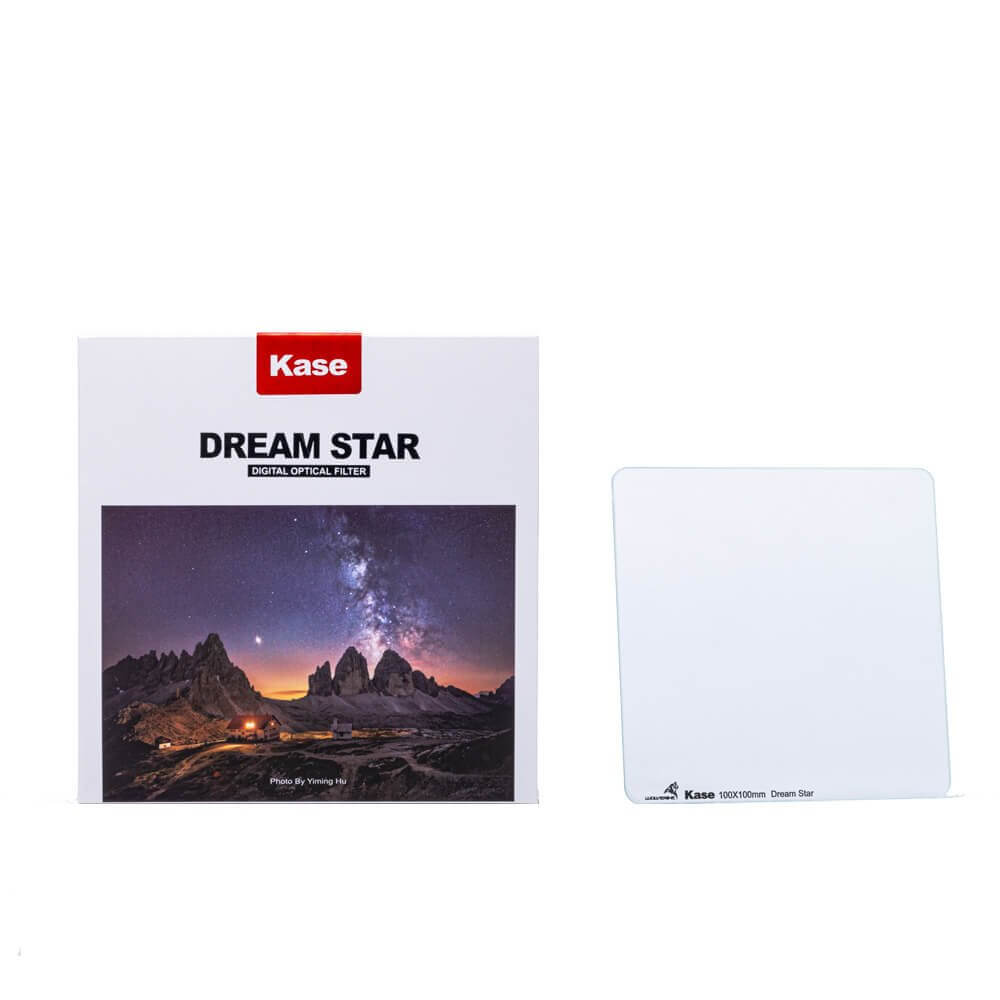
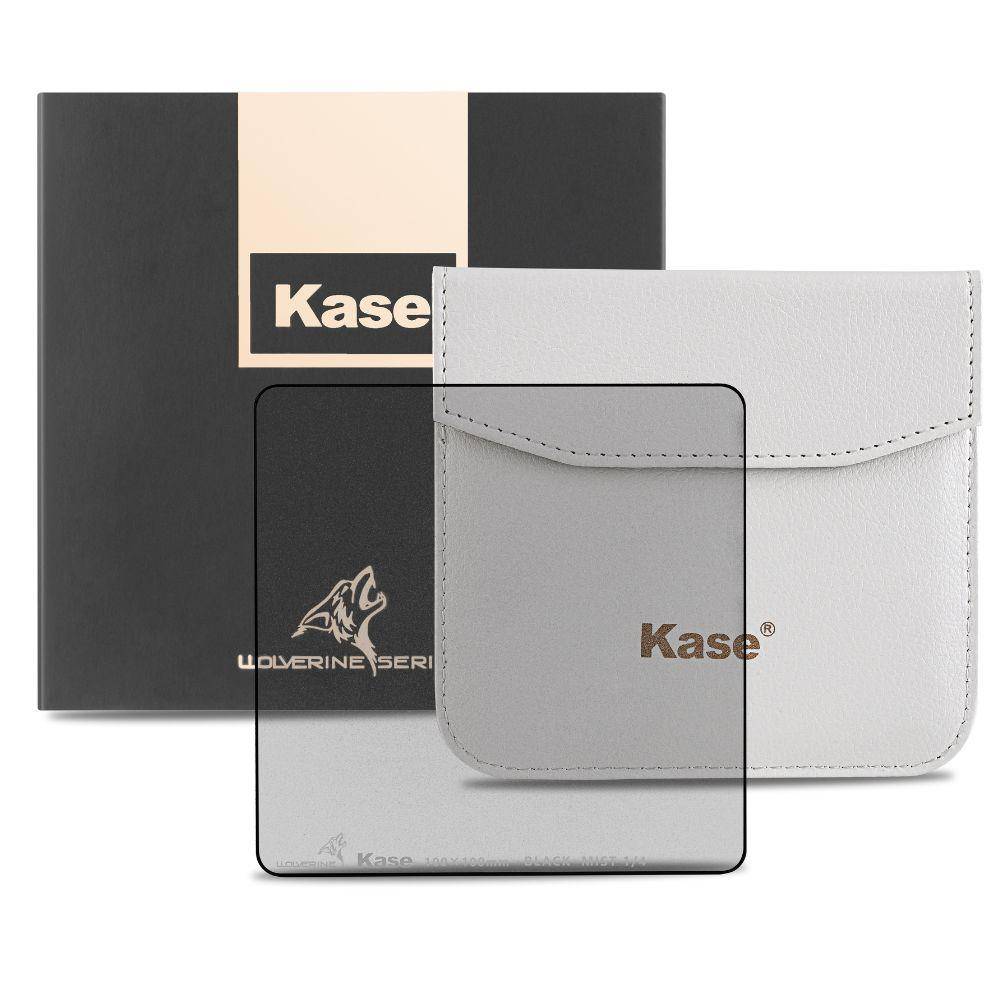
🌌 Filtro de efeito Kase K100 Dream Star - brilho mágico para a sua astrofotografia O Kase K100 Dream Star é o filtro de efeito perfeito para astrofotografia, se quiser dar às suas paisagens nocturnas um brilho estrelado suave e mágico. O filtro cria um halo suave em torno de estrelas brilhantes, realça as cores naturais e cria atmosferas de luz oníricas semelhantes ao popular efeito Orton. Ideal para a Via Láctea, céu profundo, campos de estrelas e paisagens nocturnas criativas! Efeitos criativos com qualidade de vidro profissional Efeito de brilho e auréola: as luzes das estrelas são amplificadas e recebem um brilho mágico Melhoria da cor: realça as cores naturais das estrelas Impressão de imagem suave: opcionalmente, também pode ser usada para partes do céu Opções de aplicação flexíveis 📐 Filtro retangular de 100×100 mm: Compatível com suportes de filtros comuns, como o Kase K100 Exposição total ou parcial possível: o filtro pode cobrir apenas o céu de forma direcionada Combinável: perfeito em combinação com o filtro noturno Kase Neutral Série Wolverine - qualidade que protege Vidro temperado Pro HD: particularmente resistente a impactos e quebras Nano-revestimento metálico: resistente a riscos, à sujidade e à água Fácil de limpar: mesmo com condensação ou orvalho Conselhos de aplicação Experimentar o tempo de exposição: para uma intensidade de brilho óptima Preste atenção à composição da imagem: O brilho também afecta objectos que não estão no céu Âmbito de fornecimento 1× Filtro de efeito Kase K100 Dream Star (100×100 mm) A sua vantagem: Com o filtro Dream Star, pode dar às suas astrofotografias profundidade atmosférica e um efeito de imagem criativo - com a máxima robustez e qualidade de imagem. Ideal para fotógrafos que querem fazer mais do que apenas documentar.
Pré-encomenda possível
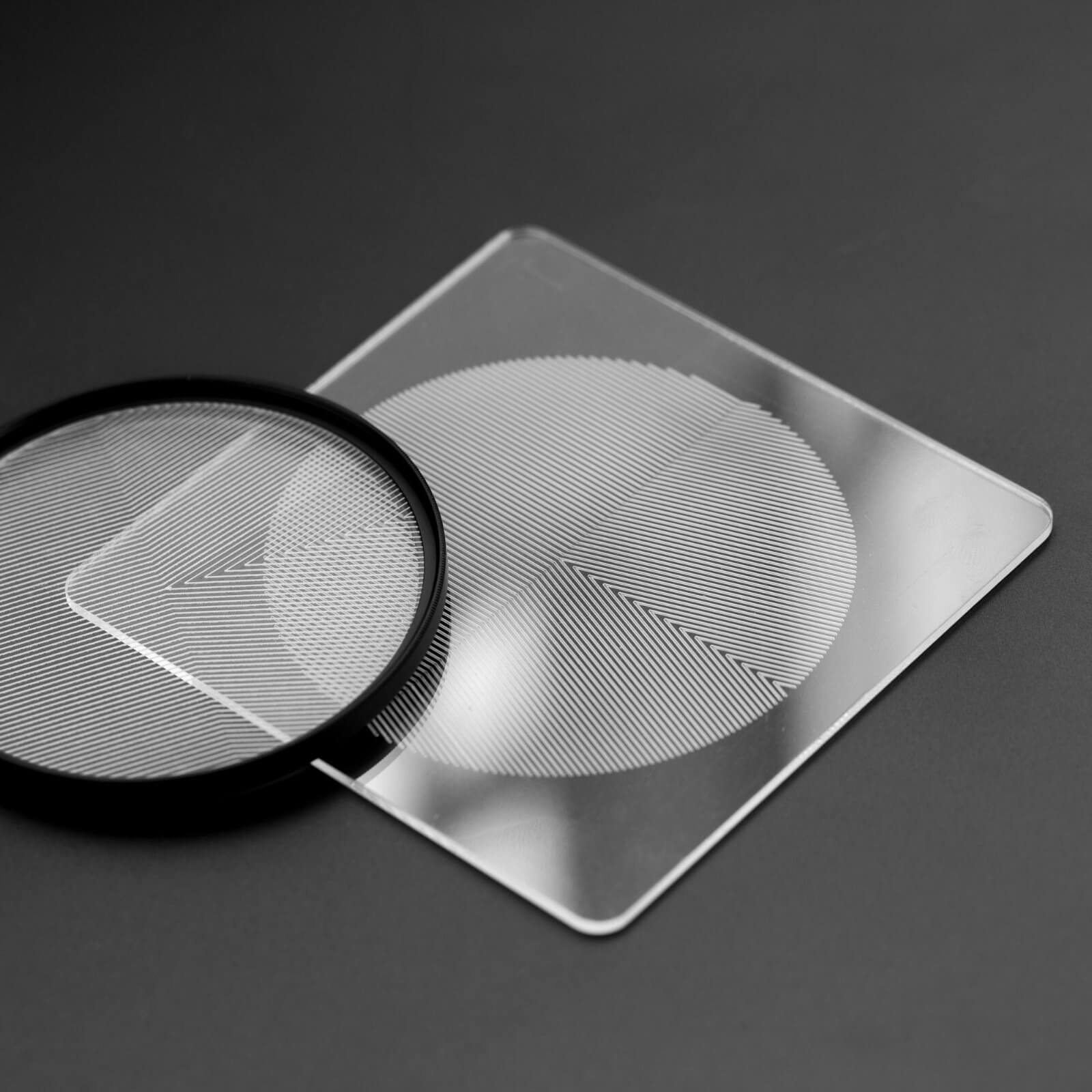
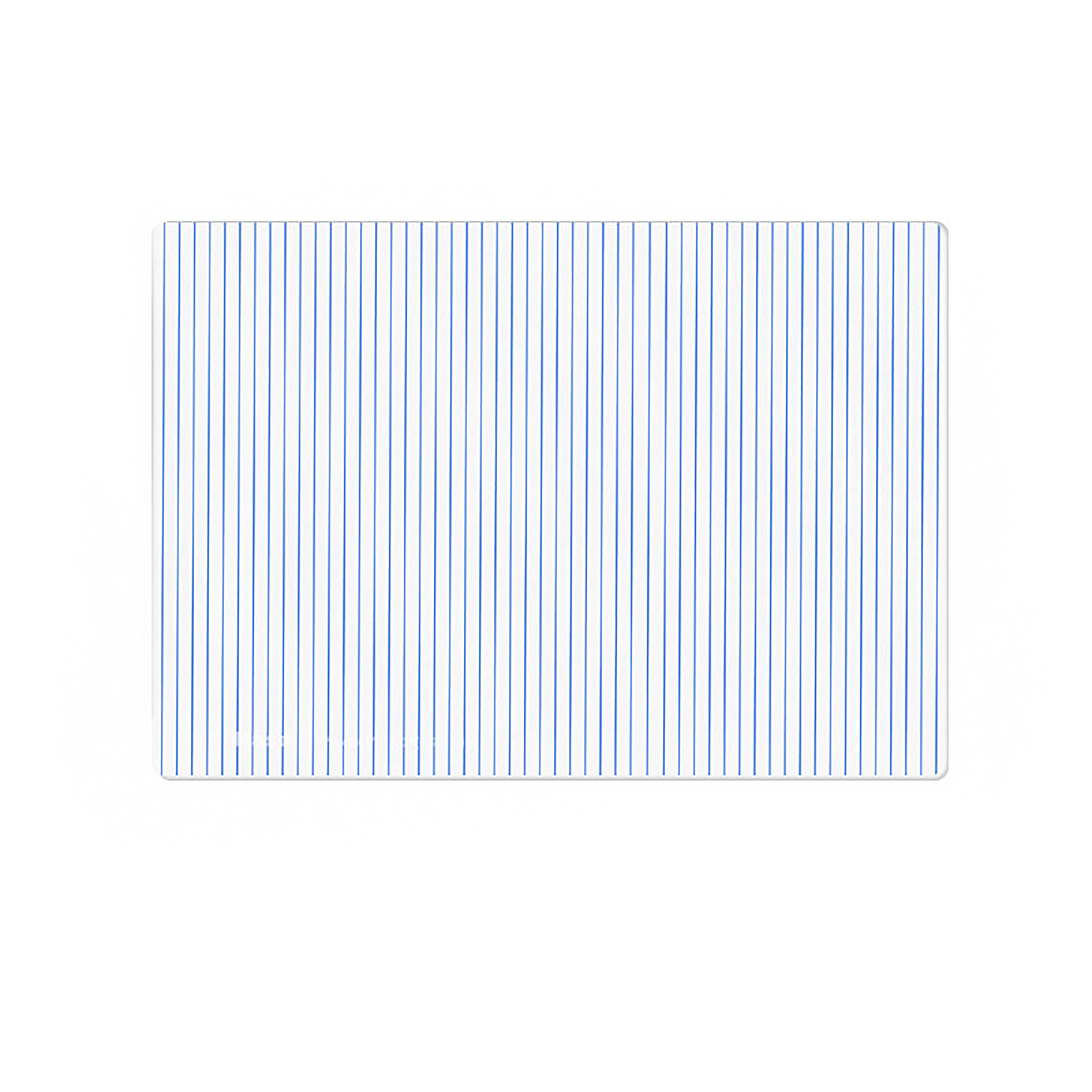
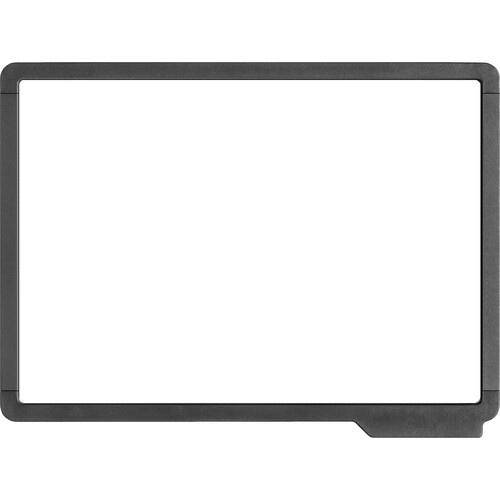
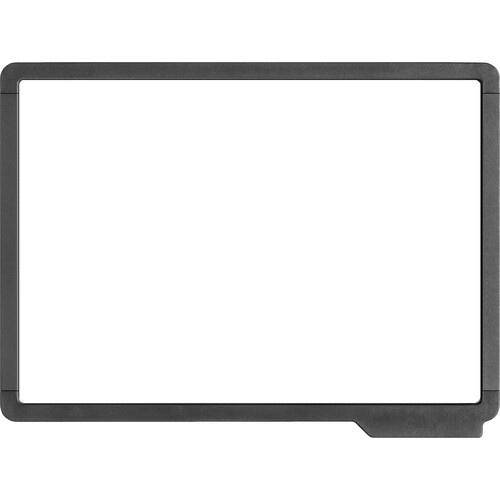
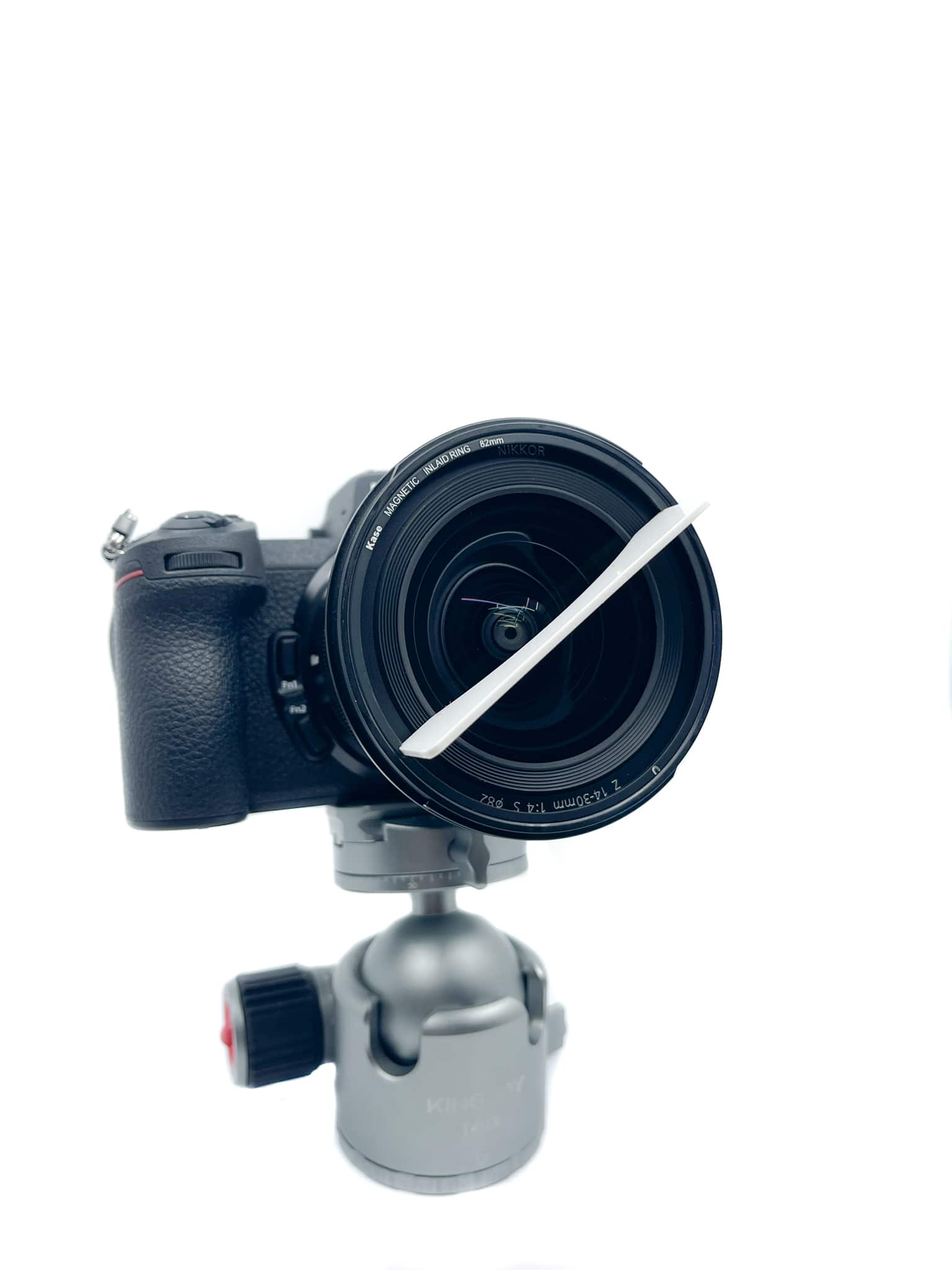
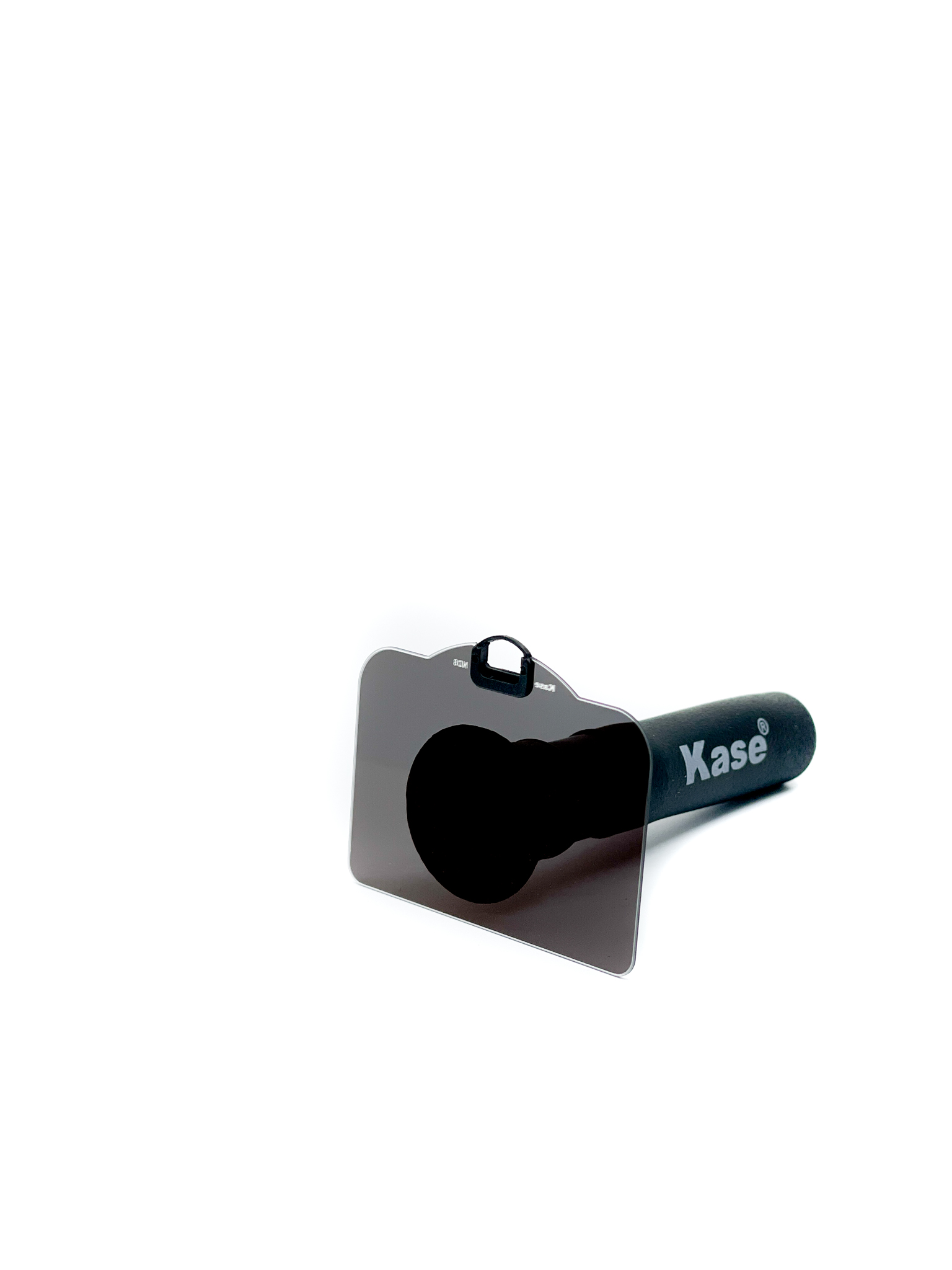
A ferramenta Kase Precision Focus 100x100mm é usada principalmente como auxílio para focar objetos brilhantes à noite. Veja as imagens dos itens para saber a funcionalidade exata. Tamanhos: 100x100mm Material: Plástico Observe que também oferecemos um kit composto por um Filtro Noturno Neutro em 100x100mm e a Ferramenta de Foco de Precisão.
Pré-encomenda possível
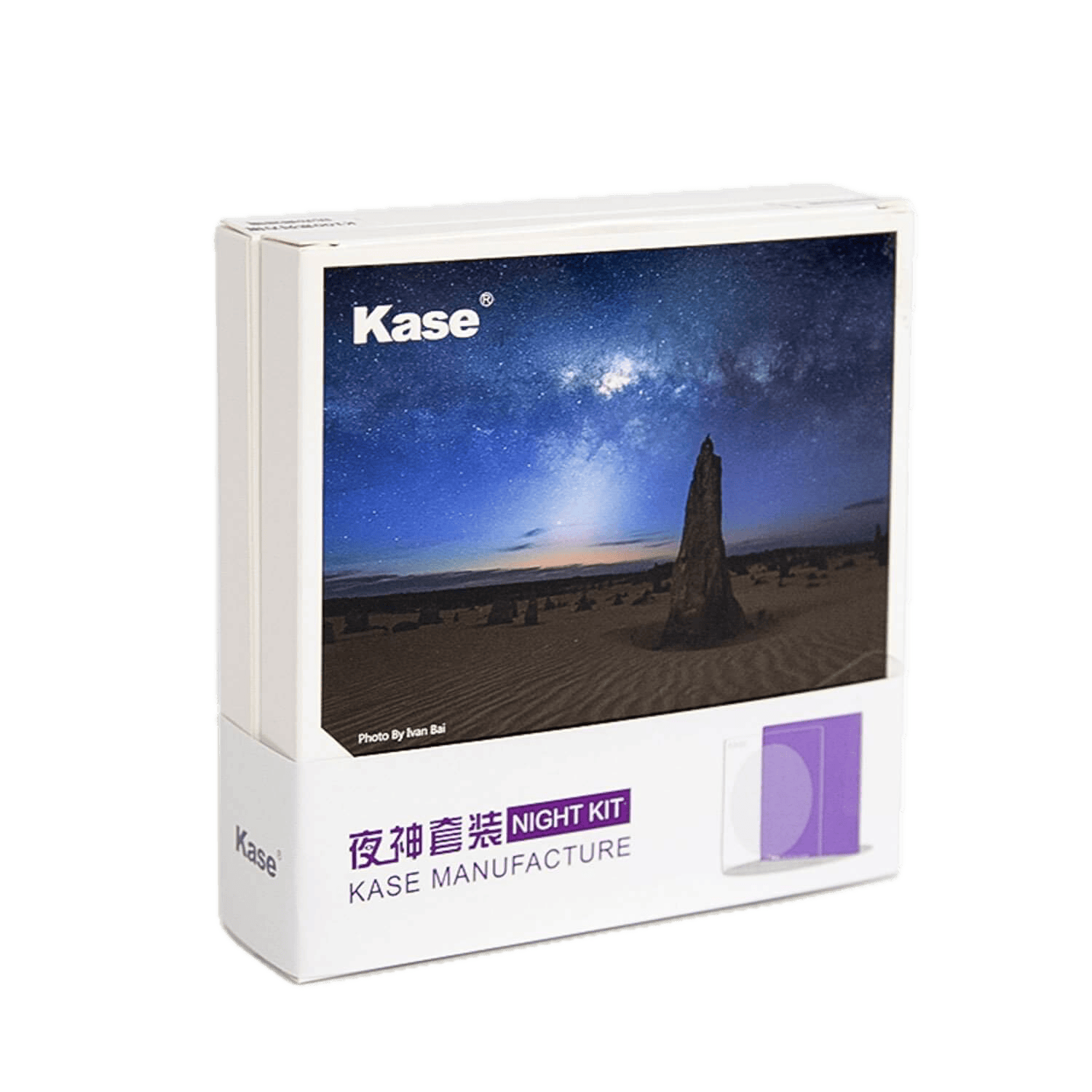
O Kit Noturno Kase Wolverine consiste no Filtro Astro de Poluição Luminosa Kase K100 Wolverine (Luz Neutra) e na Ferramenta de Foco de Precisão K100. Ambos são compatíveis com nossos porta-filtros de 100 mm para filtros com espessura de 2 mm. O filtro de poluição luminosa Kase K100 Wolverine (luz neutra) é um filtro de poluição luminosa usado para reduzir a influência da luz artificial ao fotografar à noite. Tal como acontece com todos os filtros Kase da série Wolverine, você pode esperar um filtro Pro-Glass de alta qualidade, à prova de choque e fácil de limpar. Reduz a luz artificial Tamanhos: 100 x 100 mm Espessura do vidro: 2 mm à prova de choque resistente a arranhões A ferramenta Kase Night Focus foi projetada para ajudá-lo a focar manualmente em fontes de luz à noite. Podem ser, por exemplo, estrelas ou fontes de luz artificial. Uma série de linhas finas gravadas na superfície do vidro permitem focar um ponto de luz. Basta colocar a ferramenta Night Focus Tool no porta-filtro, focar manualmente, remover a ferramenta Night Focus e, se necessário, colocar o filtro de poluição luminosa Kase K100 Wolverine contra "poluição luminosa".
Pré-encomenda possível